


Oslo, the capital of one of the most beautiful countries in the world, Norway, is blessed with a fascinating history. Its renowned museums carry traces of its past, while secluded locations in the woods call for an introspective journey. Oslo was awarded the prestigious “European Green Capital” in 2019, as it covers lush gardens and forests. The city becomes a haven for skiers in the winter and provides several opportunities for island hopping throughout the year. Its proximity to the rest of the country and seamless transportation system make it well-connected and a great entry point. With the help of Oslo tourism, take a refreshing dip in the fjord or meet the local people at the city’s unique sculpture parks, but wait, there’s more. Click the most-pictured photo of the tiger statue before the Oslo Central Station and take home memories of a lifetime. So with the help of an Oslo travel guide, explore this city and book flights to Oslo now.
How to reach Oslo?
- By air: Oslo is served by Oslo Gardermoen Airport (OSL), which is the largest and busiest airport in Norway. It is located at Gardermoen, about 50 km northeast of the city centre. The airport is well-linked to major cities worldwide, where IndiGo flights to Oslo regularly arrive in a codeshare partnership with Turkish Airlines.
- By train: If you're travelling from within Europe, you can take a train to Oslo. The city is connected to neighbouring countries like Sweden, Denmark, and beyond via the Scandinavian Rail Network. The train journey provides scenic views and is an excellent way to arrive at this stunning city.
- By bus: Long-distance buses connect Oslo to various European cities. The bus station is at the Oslo Bus terminal, near the city centre. Several private and public buses operate and are accessible online to book in advance.
- By sea: If you're arriving from other Scandinavian countries or nearby islands, you can take a ferry to Oslo, as it's located on the shores of the Oslo Fjord. Some travellers arrive in this city via cruise ships, as the city is a popular stop for cruise liners touring the Baltic Sea and northern Europe.
- Getting around/local transport in Oslo: Getting around Oslo is convenient and efficient. The city offers an extensive public transportation system that includes buses, trams, the metro, and ferries, making exploring the city and surrounding areas easy. The Oslo Metro is beneficial for reaching various parts of the city.
After you arrive on your IndiGo flight, offered by this aviation brand in a codeshare partnership with Turkish Airlines, you can purchase single tickets or passes for unlimited travel during your stay. Walking and cycling are also popular means of transportation due to the city's pedestrian-friendly streets and bike lanes. Taxis and ride-sharing services are also widely available.
Places to visit
%20Large.jpeg)
Trending
Vigeland Park (Frogner Park)
As the world's largest sculpture park by one artist, Vigeland Park proves his artistic genius. The sculptures here depict the entire human experience, from birth to death, and explore the complexity of human relationships and emotions.
Exploration time: 1-2 hours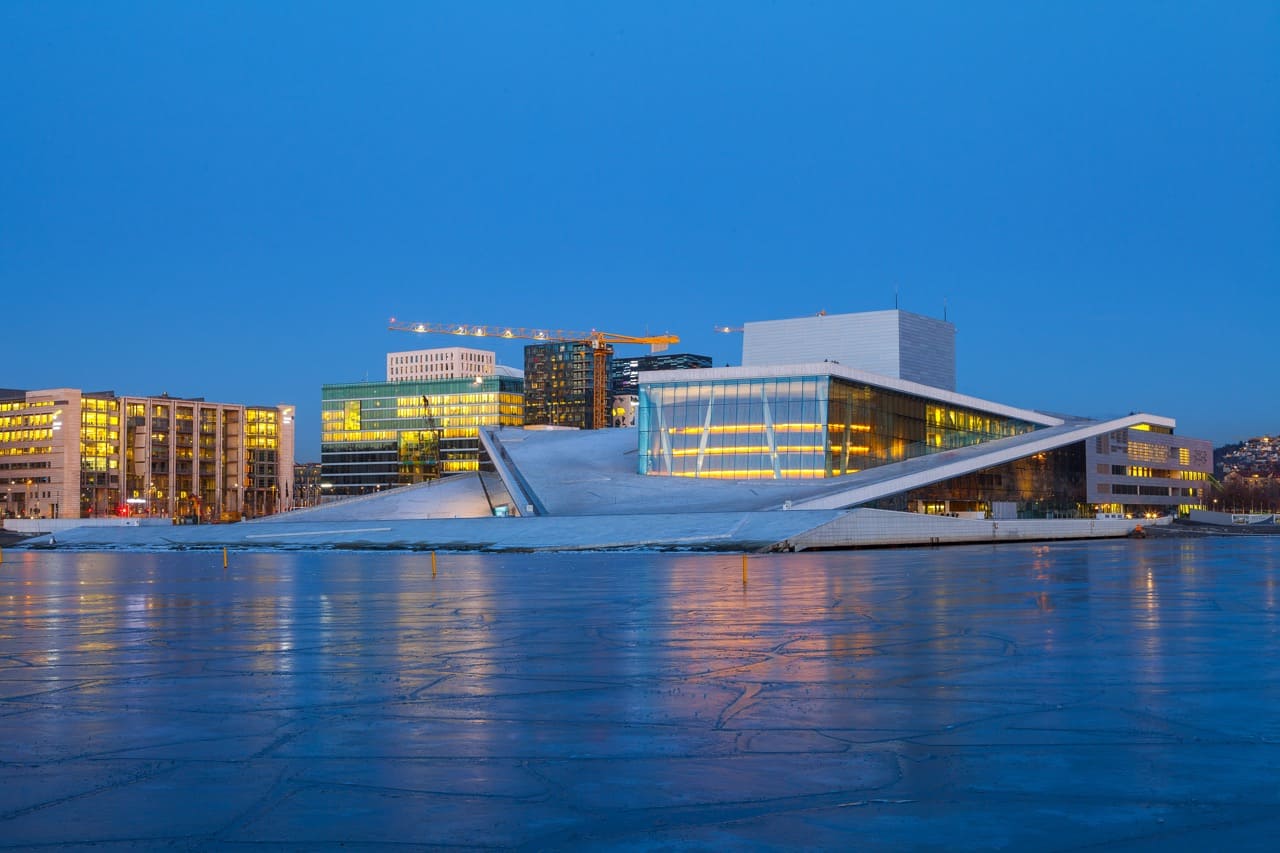
The Oslo Opera House
Exploration time: 1 - 3 hours
The Munch Museum
Exploration time: 1-2 hours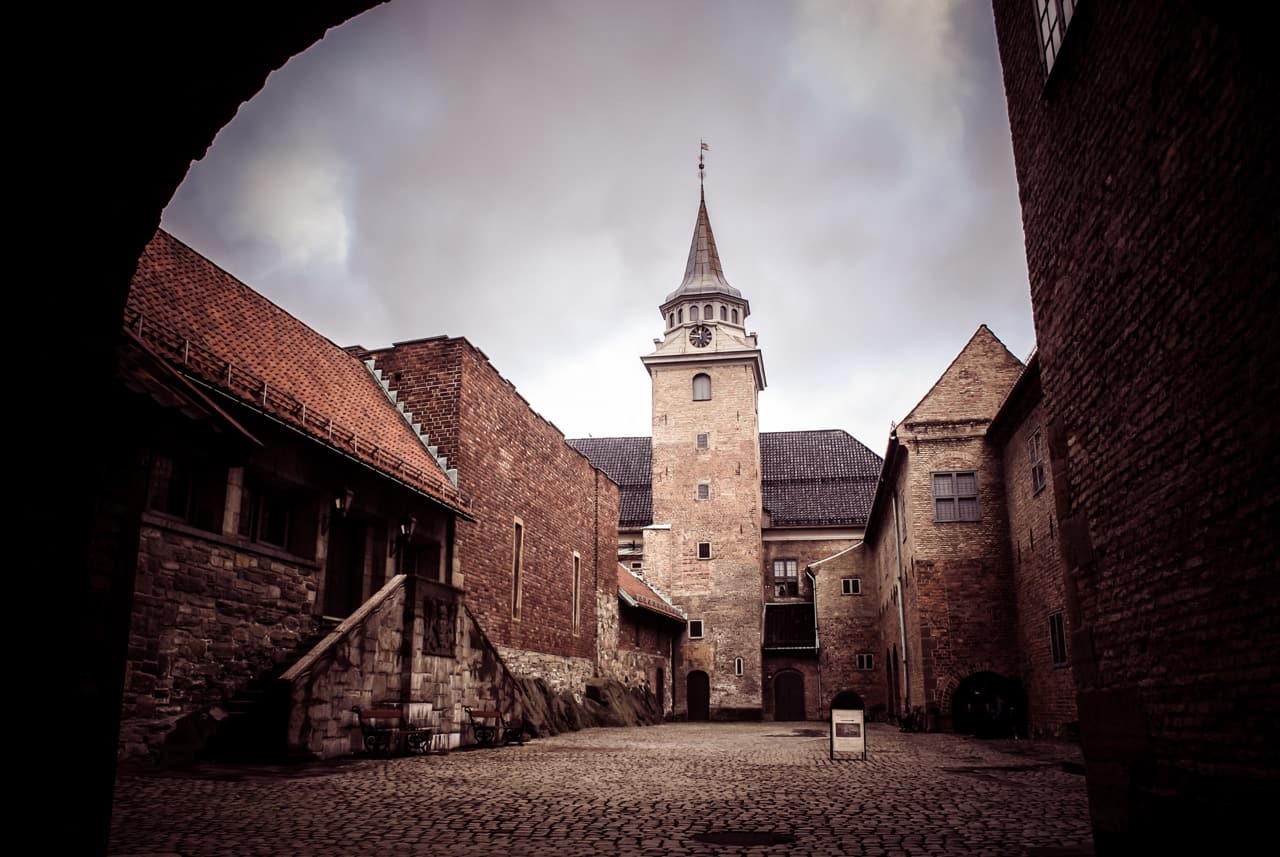
Akershus Fortress
Exploration time: 1-2 hours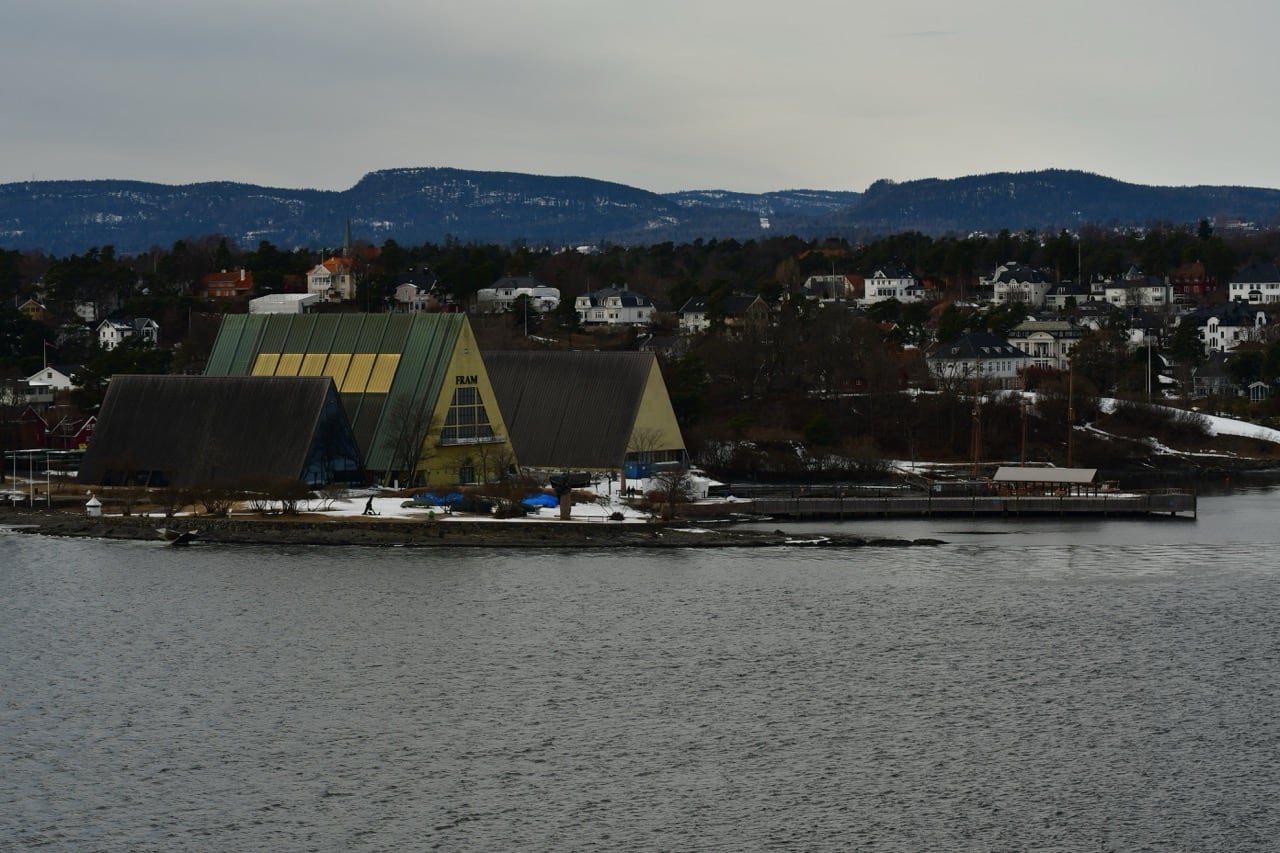
The Fram Museum
Exploration time: 1-2 hours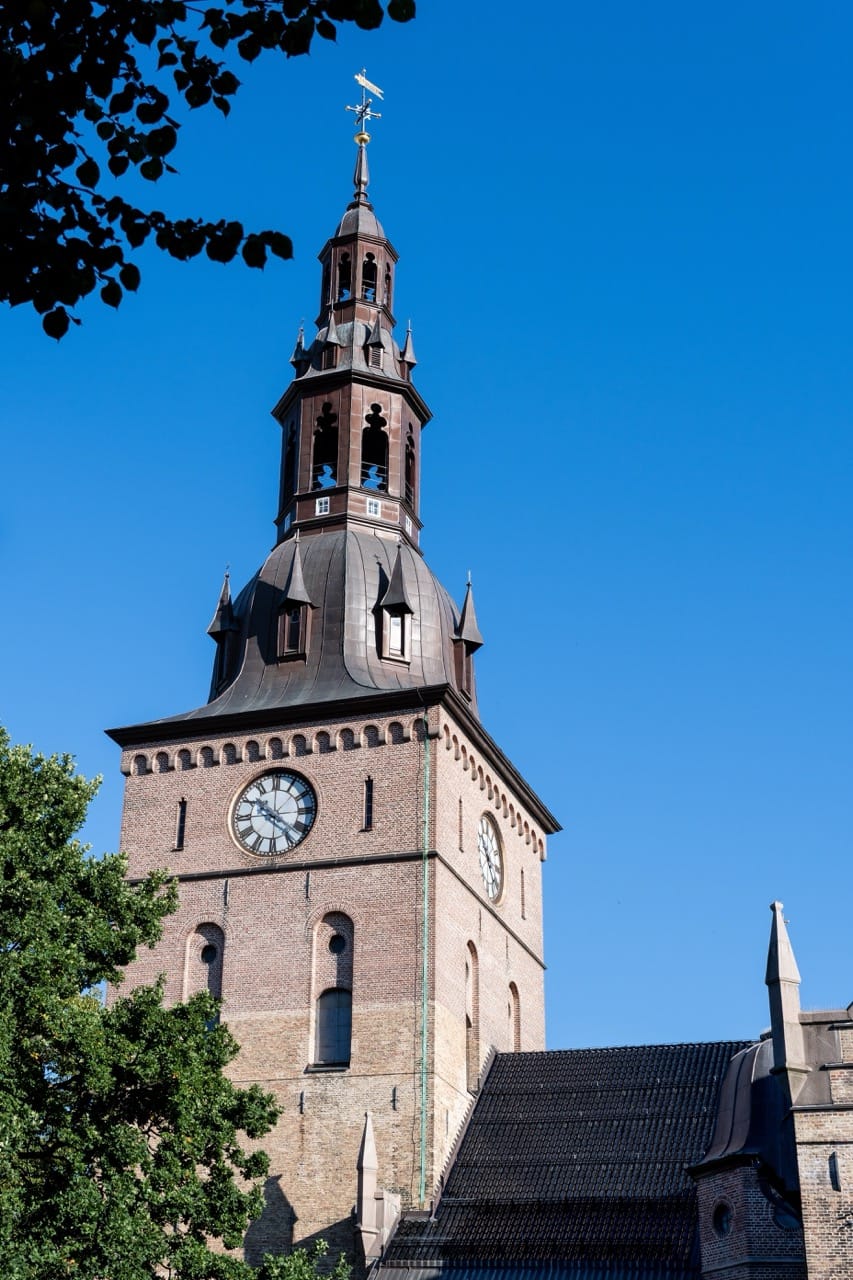
Oslo Cathedral
Exploration time: 1 hourView All 6 places
Places to eat
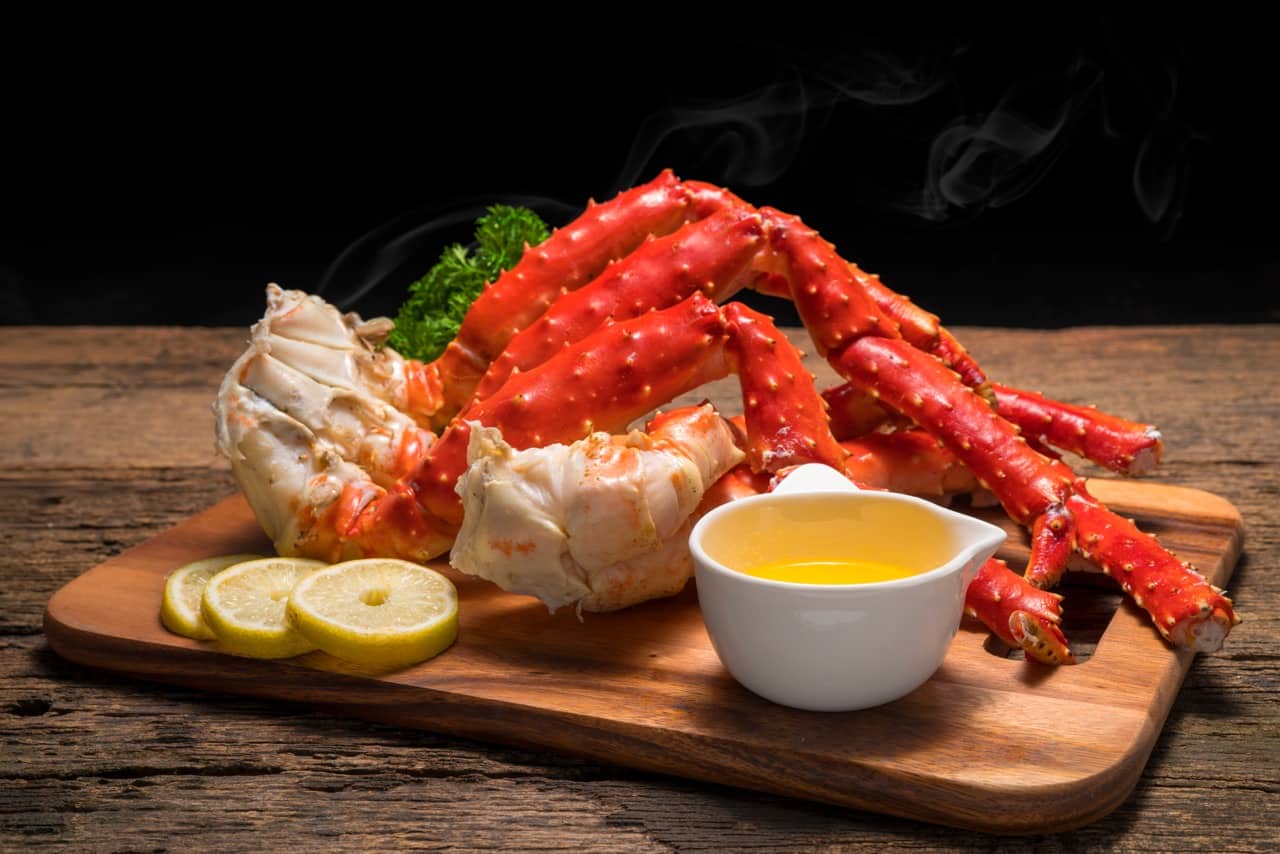
Maaemo
One of Oslo's culinary jewels, Maaemo is a Michelin three-star restaurant focusing on New Nordic cuisine. The restaurant's minimalist yet elegant design complements the innovative and artistic dishes.
Popular dishes: Norwegian king crab, scallops with seaweed butter, rakfisk

Mathallen Oslo
For a diverse food experience, visit Mathallen Oslo, a modern food hall in an old industrial building. You can enjoy fresh seafood, artisan cheeses, gourmet coffee, and several local flavours.
Popular dishes: Smørbrød, fiskesuppe, kjøttboller, gravlaks

Lofoten Fiskerestaurant
For a taste of authentic Norwegian seafood, Lofoten Fiskerestaurant is a top choice. The nautical-themed interior adds to the dining experience, where diners can enjoy beautiful views of the Oslo Fjord.
Popular dishes: Grilled Norwegian salmon, fjord shrimp sandwich, grilled skrei cod

Tim Wendelboe
Tim Wendelboe's café is a must-visit if you are a coffee enthusiast. The café offers a range of speciality coffees and the opportunity to taste meticulously brewed cups of java.
Popular dishes: Cinnamon bun or cardamom bun, a wide range of coffee
Things To Do

Nature walks
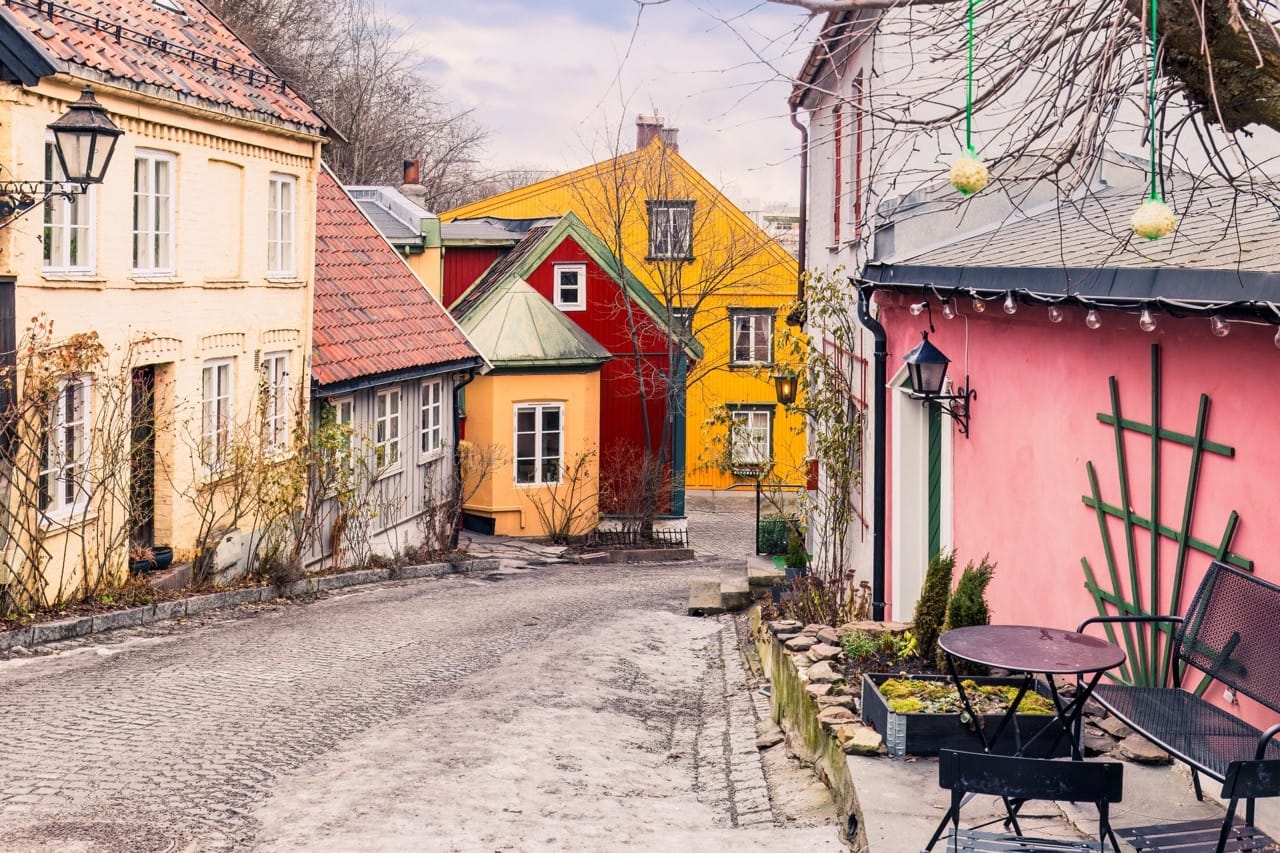
Architectural tours
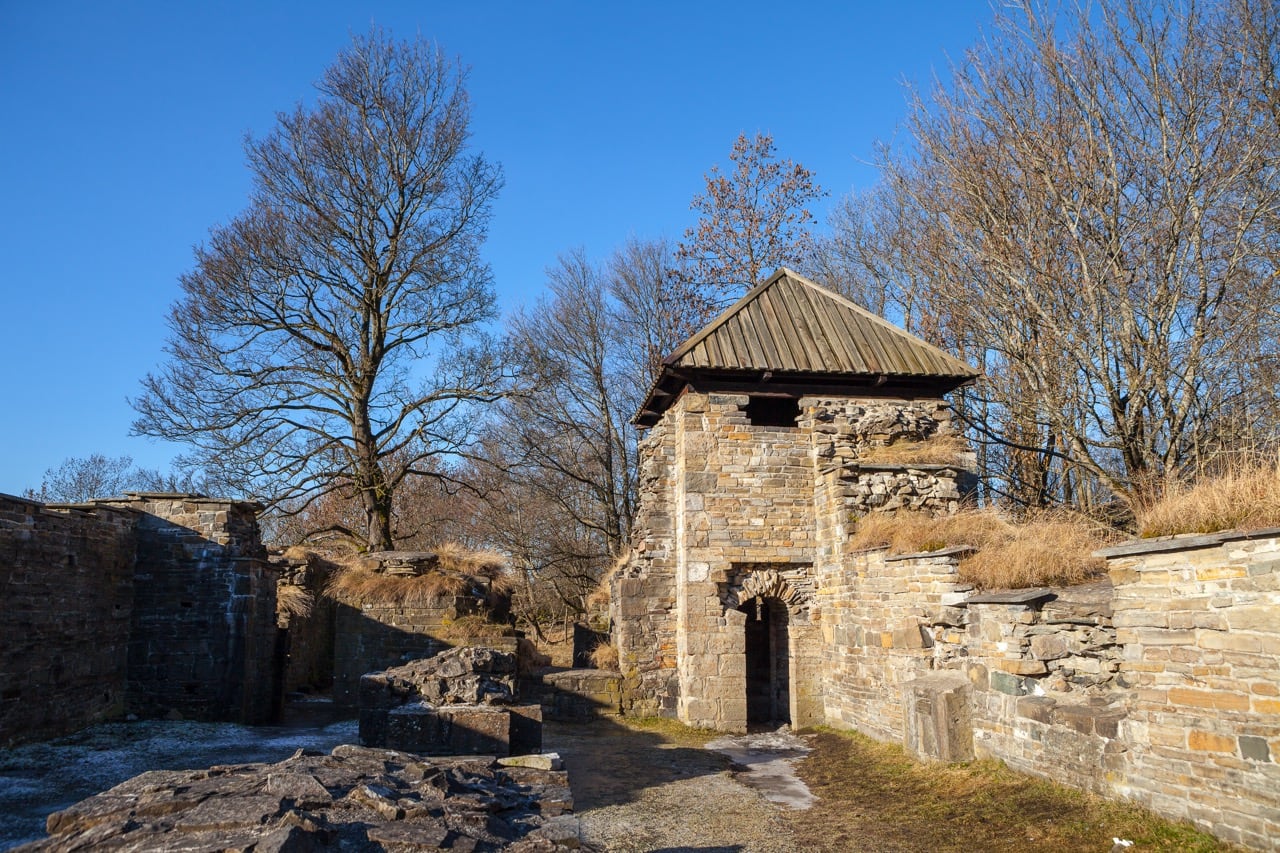
Historical sites

Shopping trips

Vibrant nightlife
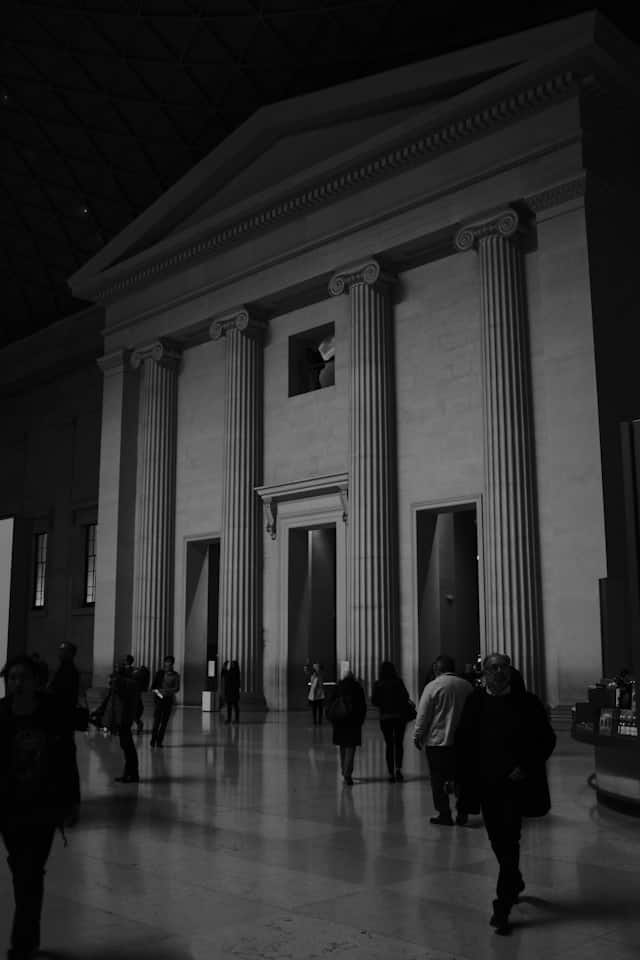
Museum exploration
Best time to visit
Most commonly spoken languages
Shopping
Oslo offers diverse shopping experiences, from the upscale boutiques to the bustling markets and more.
- Aker Brygge: Aker Brygge is a lively waterfront district combining shopping with entertainment and dining. It's home to various upscale boutiques, from fashion and design shops to jewellery and home decor stores. Explore brands like Jacob Cöhen and Lardini to purchase your favourite clothes. You can explore a mix of international and Norwegian brands while enjoying beautiful views of the Oslo Fjord. The bustling atmosphere, street performers, and open-air cafes make Aker Brygge a delightful place to shop and unwind.
- Bogstadveien: Bogstadveien is a busy shopping street, often called "Oslo's Fifth Avenue". It is in the fashionable Majorstuen district. It features diverse shops, including well-known international brands, Norwegian fashion labels, and boutique stores. Bogstadveien is ideal for fashion enthusiasts seeking high-end and affordable clothing and accessories.
- Grünerløkka: Grünerløkka is a hip and bohemian neighbourhood to explore if you're interested in vintage and independent shops. You can find unique items in thrift stores, second-hand boutiques, and galleries here. The area also offers an array of speciality shops, selling everything from handmade crafts and local art to vintage vinyl records. It's an excellent place for those seeking their one-of-a-kind treasures and Norwegian souvenirs.
- Paleet: Situated in the city centre, Paleet is a premium shopping centre that offers a refined and luxurious retail experience. This elegant mall features a curated selection of high-end boutiques and designer stores, providing a wide range of fashion, accessories, and beauty products. Paleet also houses quality restaurants and cafes, making it an ideal destination for a day of upscale shopping and fine dining.
Festivals
Oslo hosts a diverse array of festivals celebrating music, arts, culture, and cuisine, offering vibrant experiences for locals and visitors alike.

Oslo Jazz Festival
Renowned for its international lineup of jazz musicians, this festival fills the city with captivating performances in various venues, attracting jazz enthusiasts from around the world.
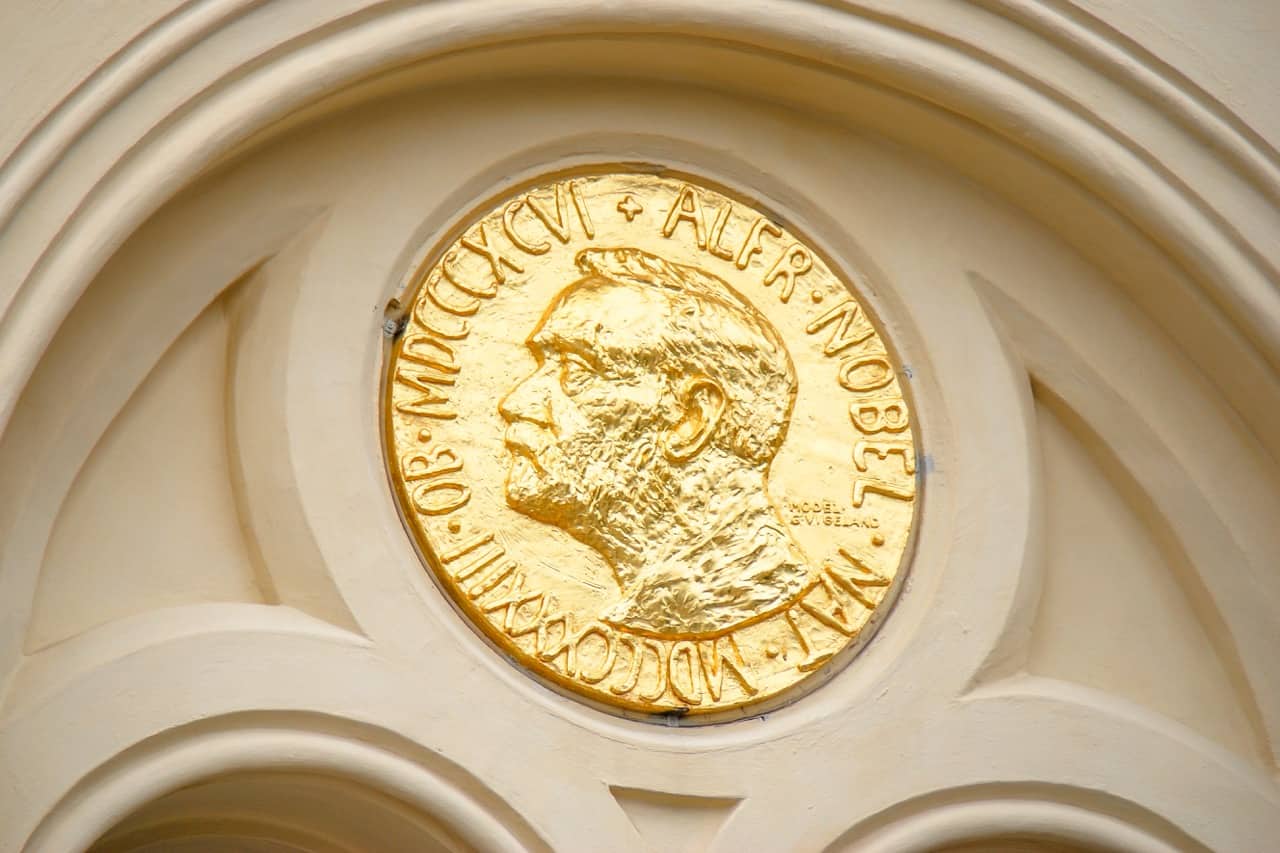
Nobel Peace Prize Ceremony
Held annually on December 10th at Oslo City Hall, this prestigious event celebrates the Nobel laureates' contributions to peace and humanity, drawing global attention to Oslo as a beacon of diplomacy and reconciliation.
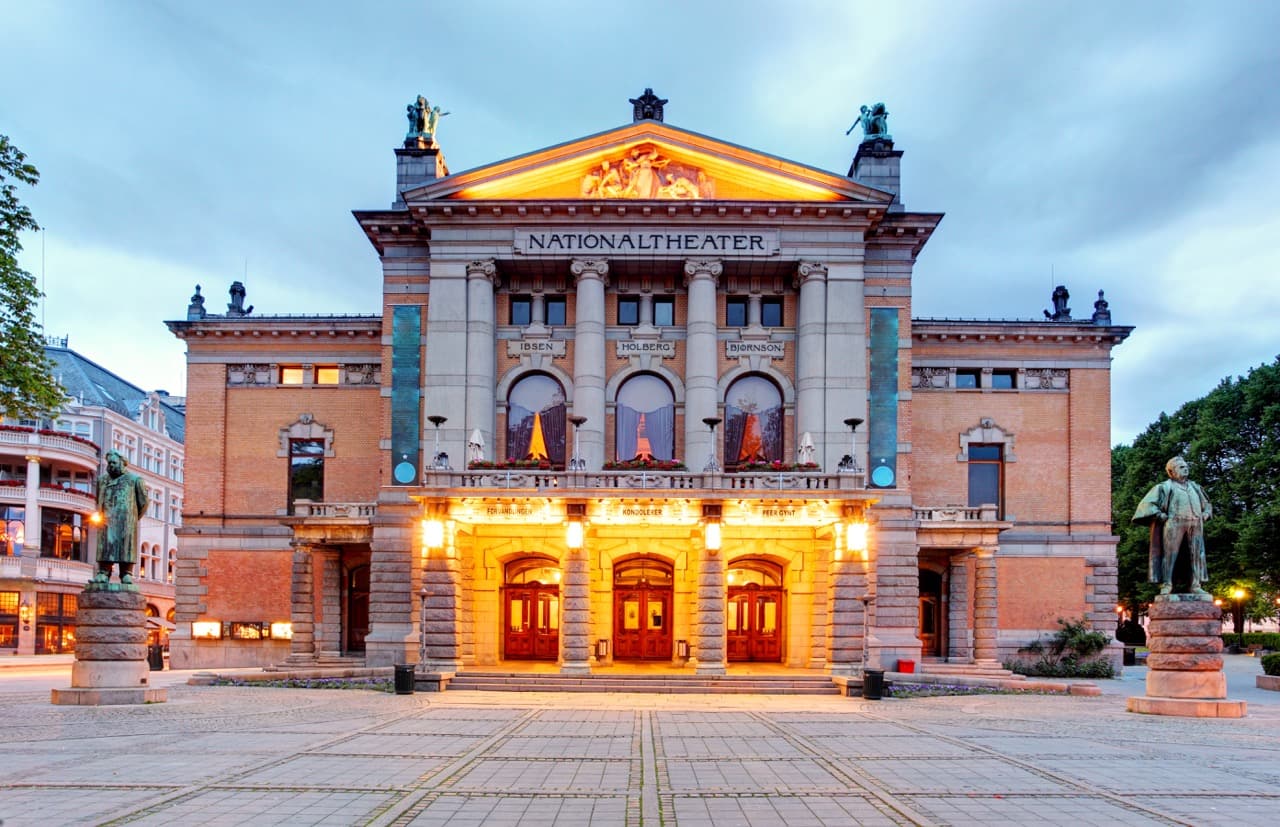
Oslo Culture Night
A night of cultural immersion, this festival showcases Oslo's artistic and creative talent through exhibitions, performances, and events held across the city, inviting residents and visitors to explore its vibrant cultural scene.
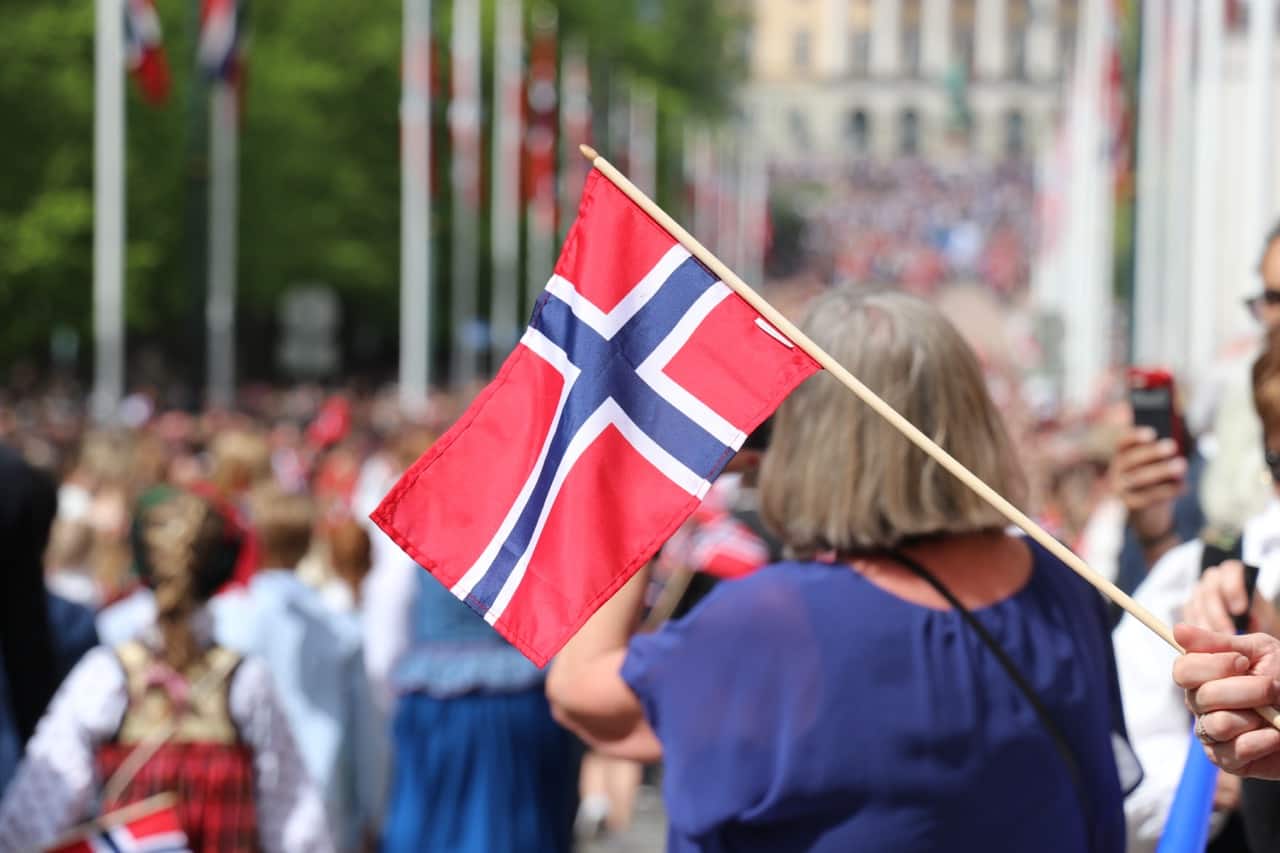
Norwegian Constitution Day
Celebrating Norway's independence and constitution, this national holiday fills Oslo's streets with parades, music, traditional costumes, and festivities, culminating in a joyful atmosphere of national pride and unity.
More reasons to visit
Planning to explore Oslo? Here are some of the reasons you need to visit Oslo.
- Outdoor Adventures and Scenic Beauty: Oslo is a city where you can expect many places that offer retreats around the natural arena. The surrounding forests, parks, and the Oslo Fjord provide numerous opportunities for outdoor enthusiasts. You can go hiking in the Nordmarka forest, swim in the fjord's clean waters, or explore the city's many parks and green spaces. The proximity to nature is a defining feature of Oslo and adds another layer to making your trip memorable and adventurous.
- Cultural Diversity and Contemporary Art: Oslo is known for its rich cultural scene, which extends beyond traditional art and museums. It embraces contemporary culture and diversity, along with keeping its roots intact. You can explore its various neighbourhoods, each unique character and atmosphere, and discover a wide range of galleries, independent theatres, and live music venues. The city's diverse and inclusive cultural scene reflects its progressive and forward-thinking values. They also provide an excellent opportunity to find like-minded people.
- Nobel Peace Prize Centre: Oslo is home to the Nobel Peace Prize Centre and is a must-visit for those interested in peace, diplomacy, and global affairs. The centre showcases the history of the Nobel Peace Prize and highlights the laureates' remarkable work in promoting peace and human rights worldwide. The interactive exhibitions and displays provide a deeper understanding of global issues and the individuals and organisations positively impacting the world.
Visa and Immigration
