


Shanghai serves as a primary financial, commercial, and cultural centre in China. Located on the eastern seaboard at the mouth of the Yangtze River, the city functions as a major port and a gateway for international trade. The urban landscape reflects a transition from long-standing traditions to modern growth, evident in local architecture and residents' global perspective.
The skyline and historical districts are central features of the city. Visitors will find a range of environments, including classical Chinese gardens, colonial-era buildings, and high-rise towers. A functional public transport network and a diverse range of accommodation options support the city. Cultural institutions and shopping districts offer a range of activities for travellers in the region.
How to reach Shanghai?
- By air: Two international airports serve the city. Shanghai Pudong International Airport (PVG) handles the majority of international arrivals and long-haul flights from Asia, Europe, the Americas, and Oceania. Shanghai Hongqiao International Airport (SHA) primarily manages domestic routes and short-distance flights within East Asia. Both locations are connected to the city centre via metro, shuttle buses, taxis, and rail services.
- By train: Shanghai is a central hub within the national high-speed rail network. Shanghai Hongqiao Railway Station provides frequent services to cities including Beijing, Hangzhou, Nanjing, Suzhou, and Guangzhou. Conventional rail and regional routes operate through Shanghai Railway Station and Shanghai South Railway Station. Rail travel is a common choice for domestic visitors due to its frequency and reliability.
- By road: National expressways link Shanghai to the provinces of Jiangsu, Zhejiang, and Anhui. Long-distance buses operate between major terminals in the city and surrounding towns. Road travel is generally less frequent over long distances than air or rail, as traffic congestion can increase transit times.
- Getting around/local transport in Shanghai: Shanghai boasts one of the most highly developed and integrated city transportation networks in the world. The Shanghai Metro serves almost all major districts, tourist attractions, commercial zones, and transport hubs; therefore, it is usually the most convenient mode of travel within the city. The public buses operate on an extensive network of routes across both the urban and suburban areas of the metropolis. Licensed taxis and online taxi services are also widely available. Ferries across the Huangpu River and well-organised pedestrian and cycling paths support local short-distance travel.
Places to visit
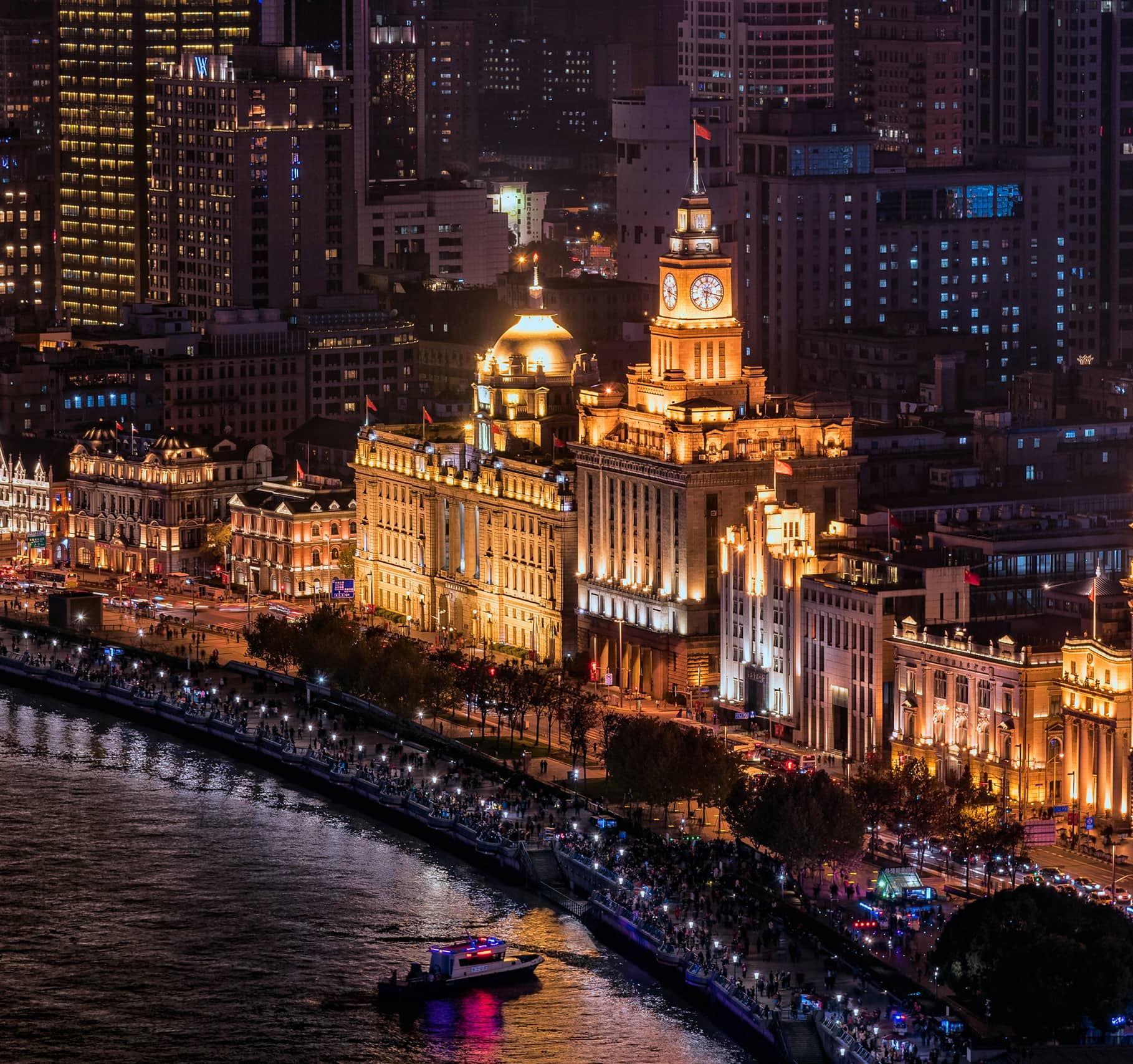
The Bund, Shanghai
The Bund is a waterfront area featuring colonial-era buildings. These structures represent various architectural styles, including Gothic and Neoclassical. They sit directly across the Huangpu River from the high-rise buildings of the Pudong district.
Exploration time: 1–2 hours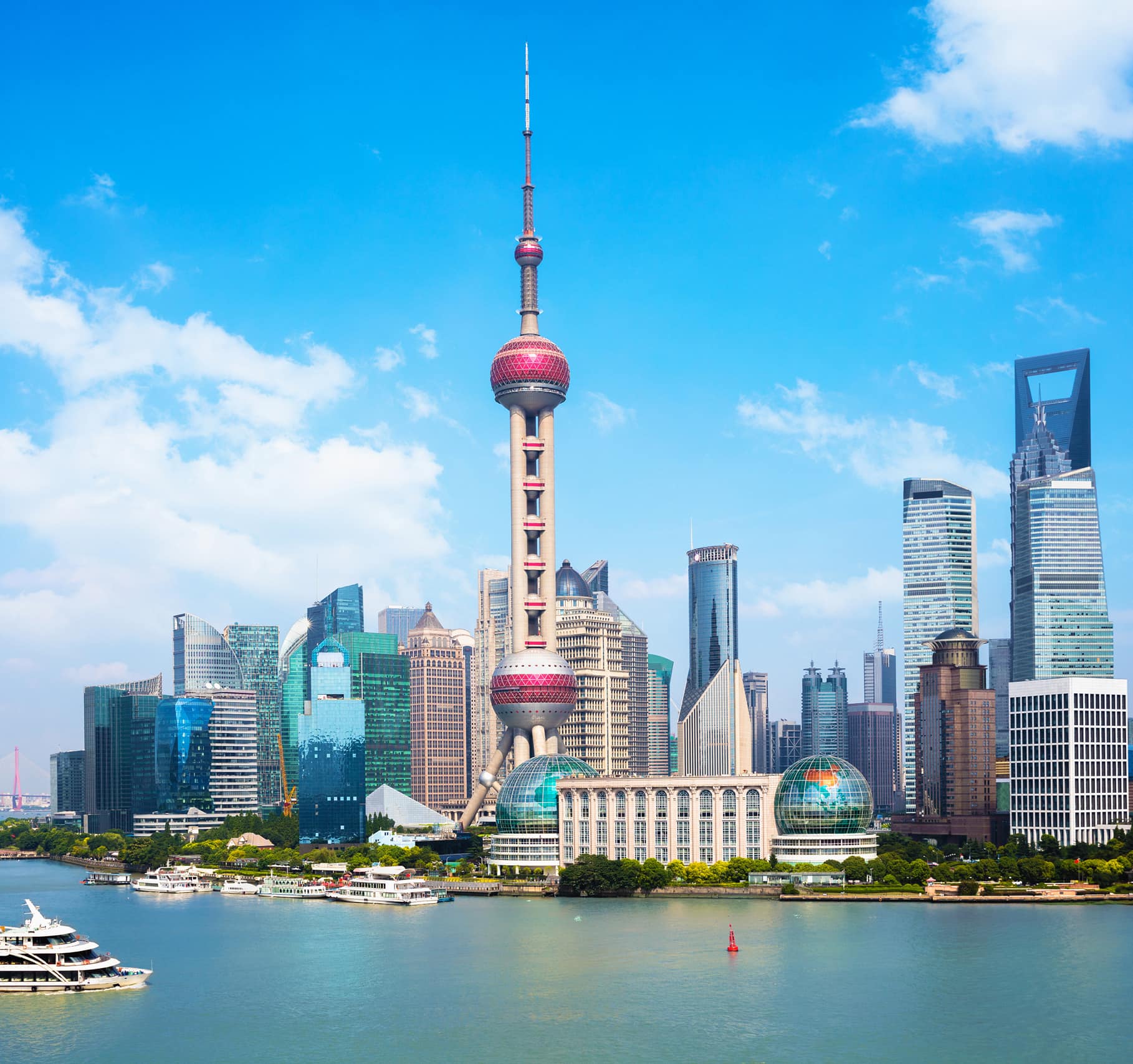
Shanghai Tower, Shanghai
Exploration time: 1–1.5 hours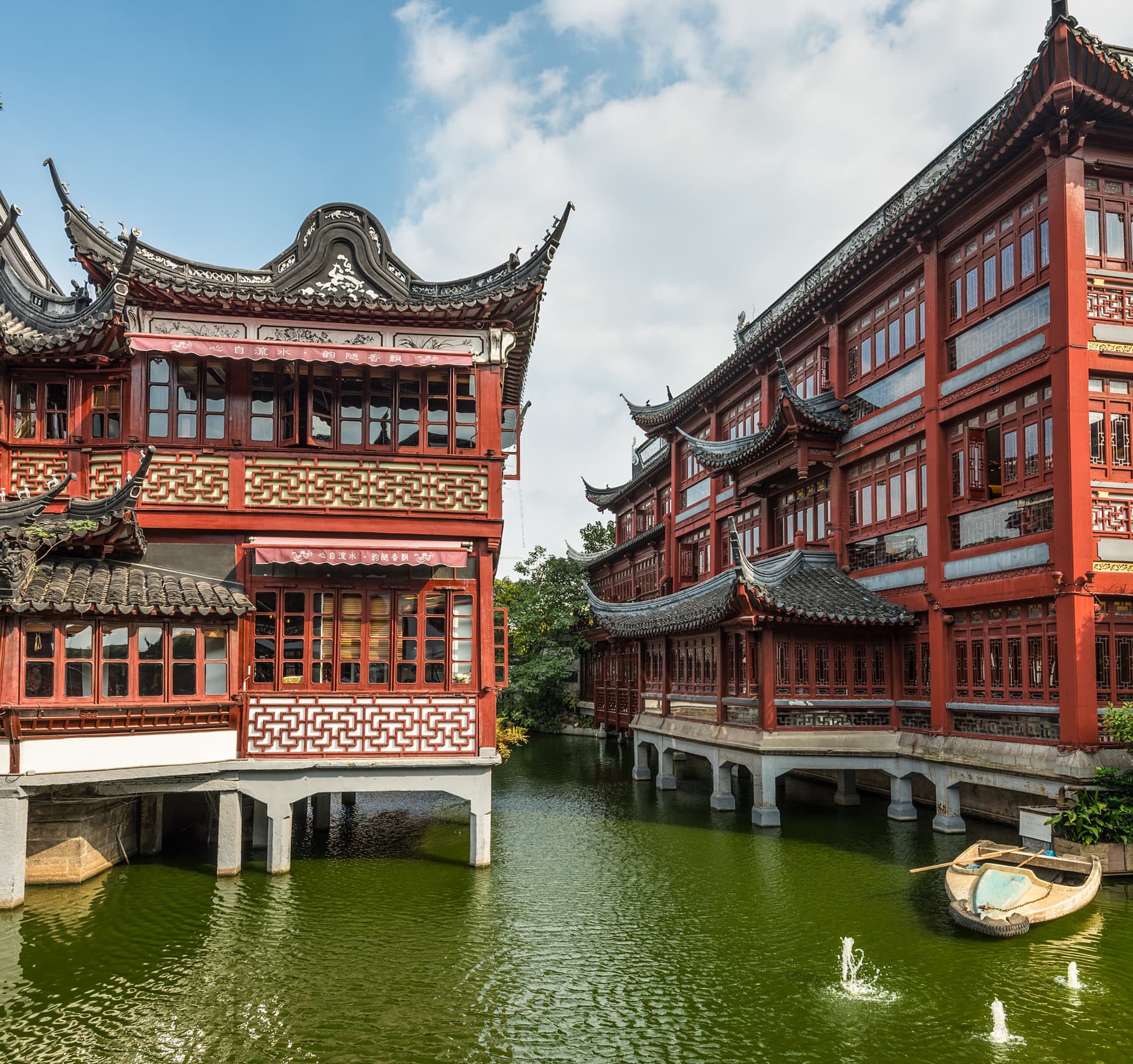
Yu Garden, Shanghai
Exploration time: 1–1.5 hours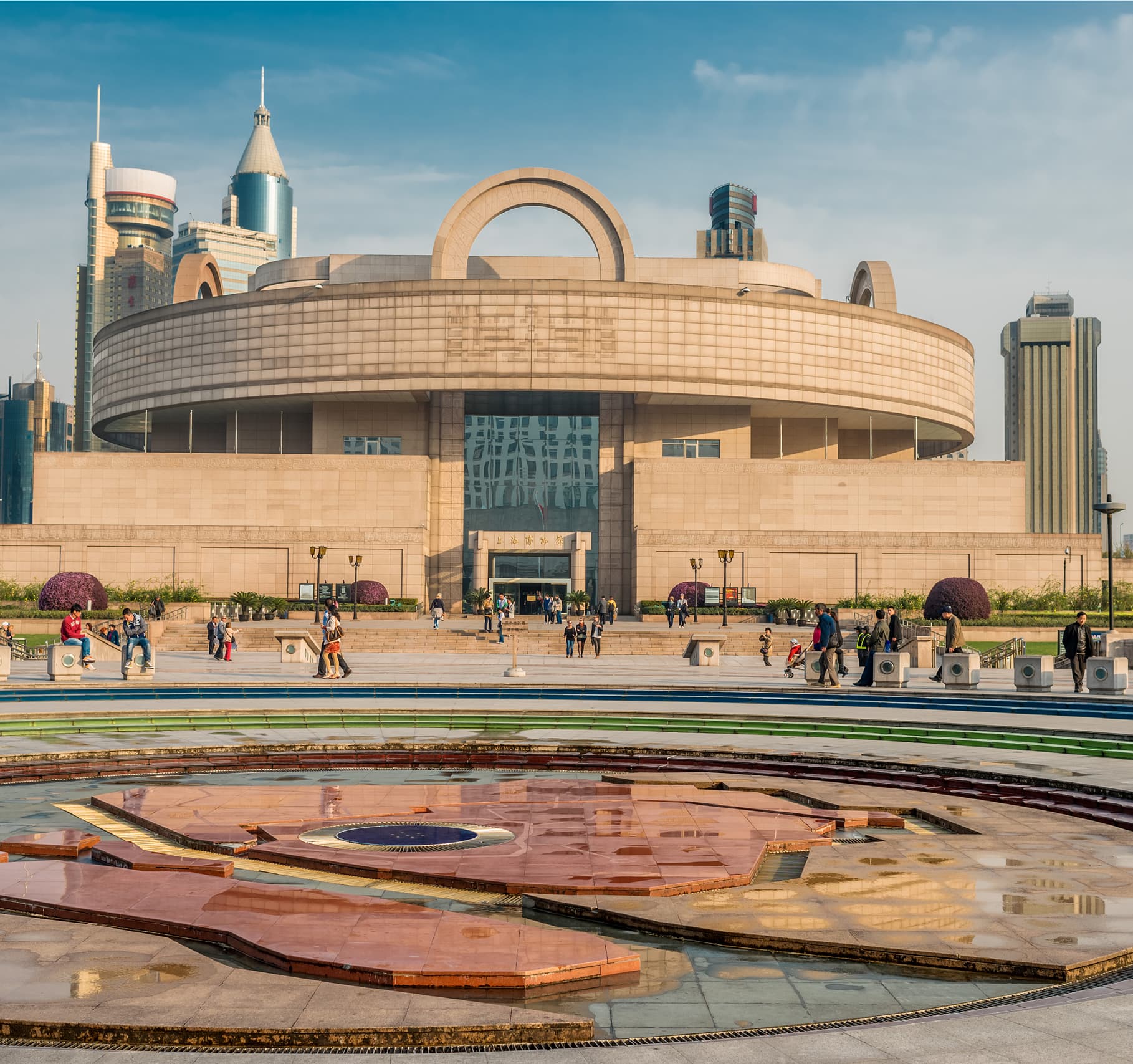
Shanghai Museum, Shanghai
Exploration time: 2–3 hours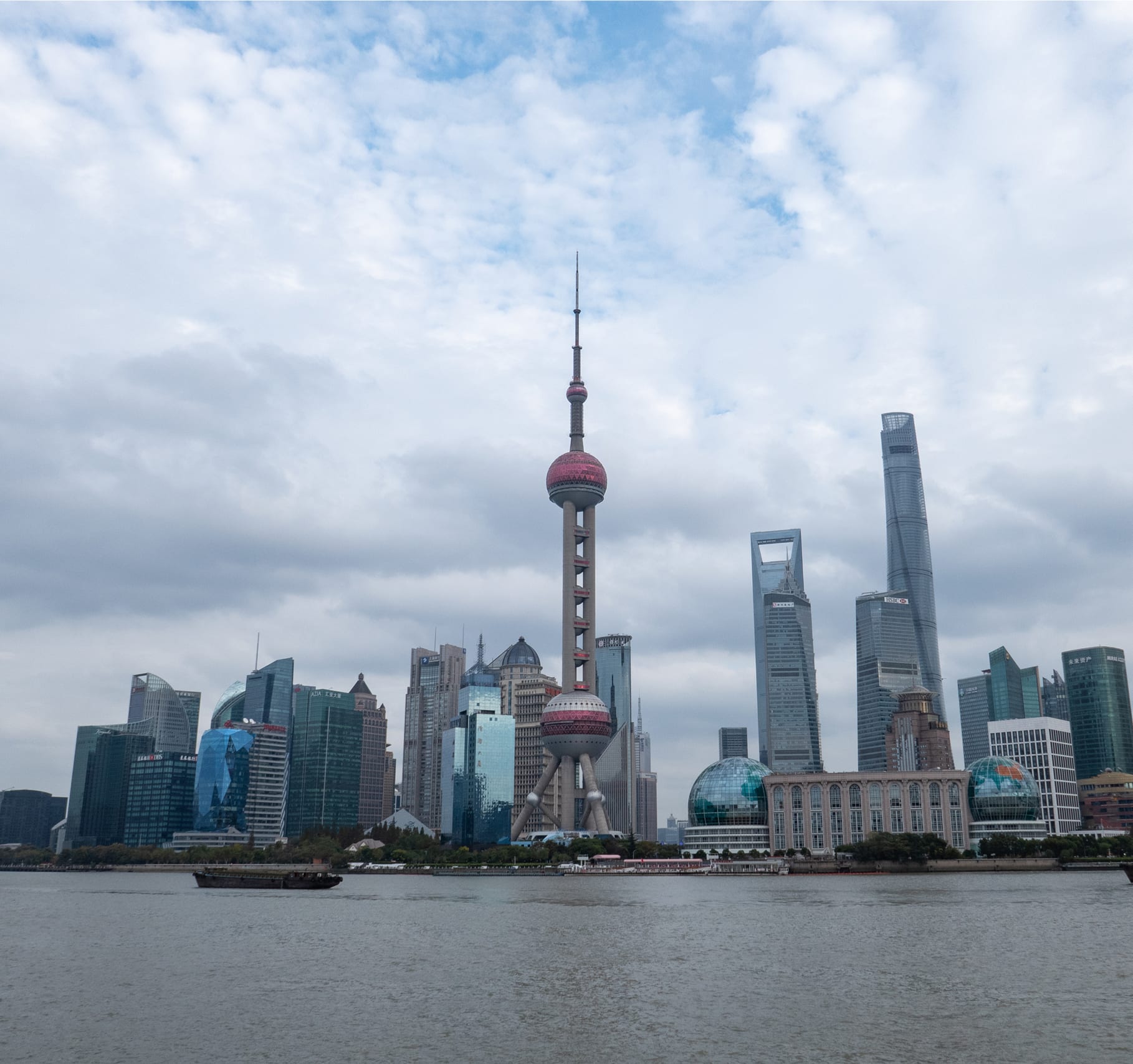
Oriental Pearl TV Tower, Shanghai
Exploration time: 1.5–2 hours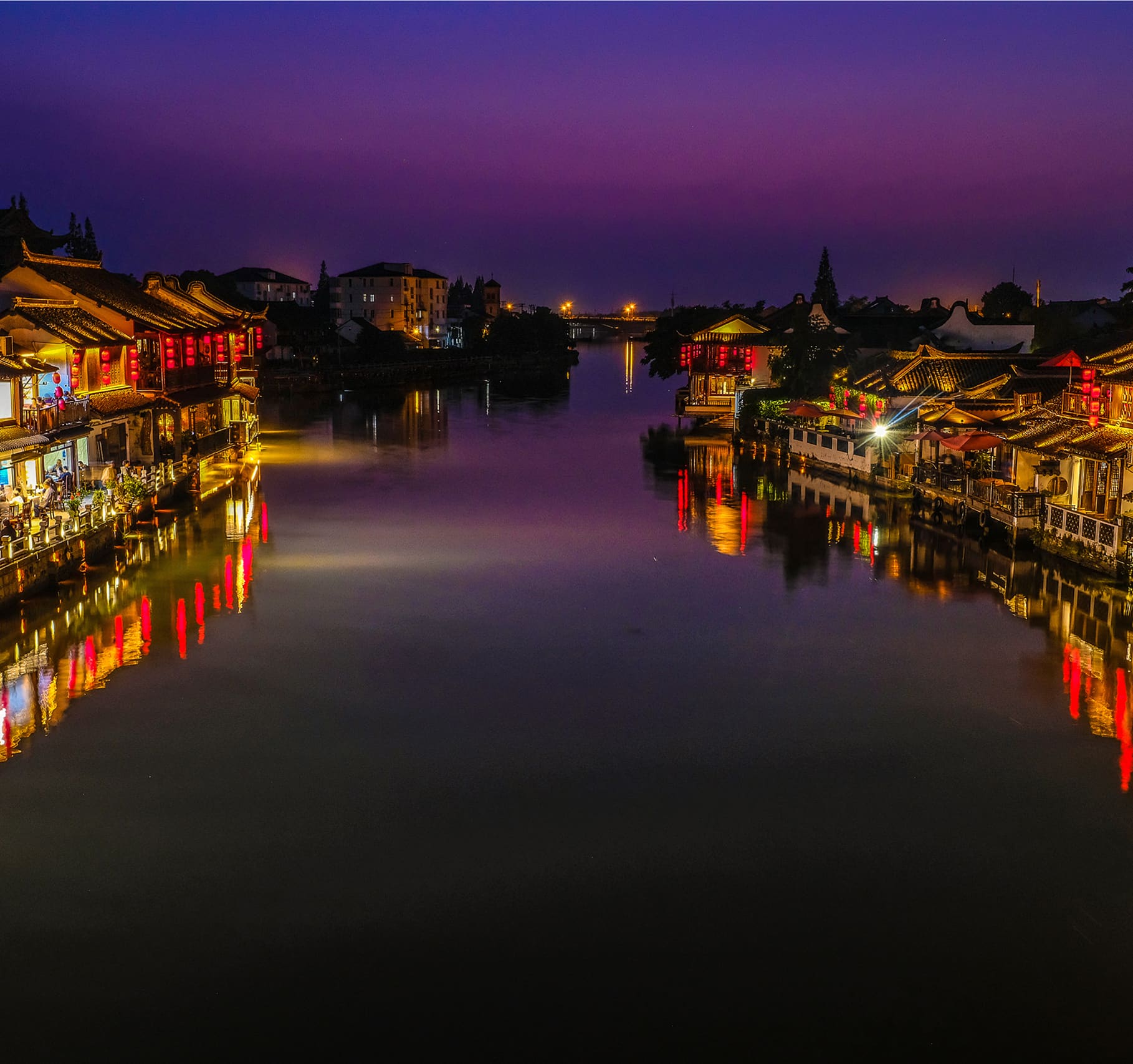
Zhujiajiao Water Town, Shanghai
Exploration time: 4–5 hours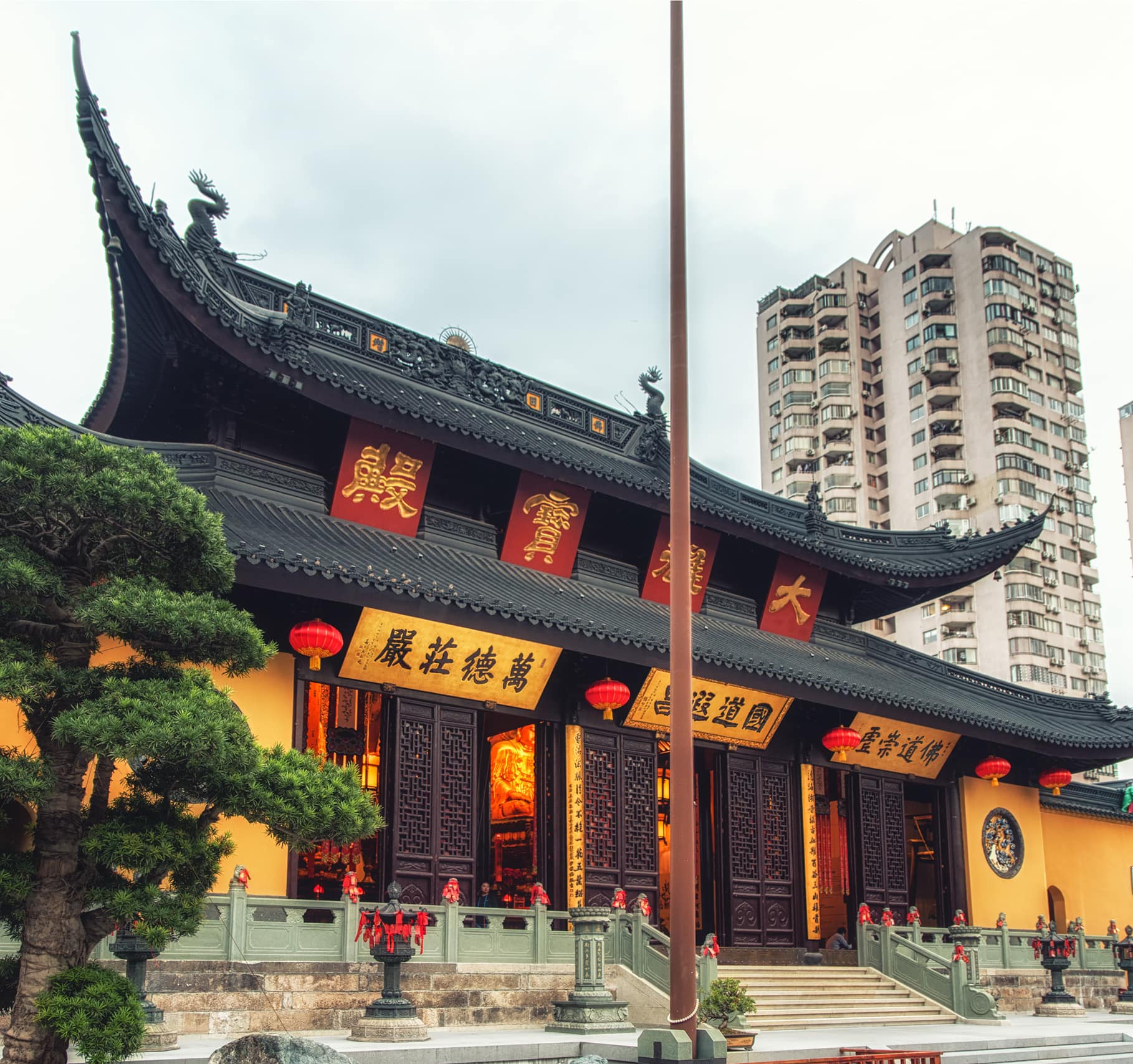
Jade Buddha Temple, Shanghai
Exploration time: 45–60 minutes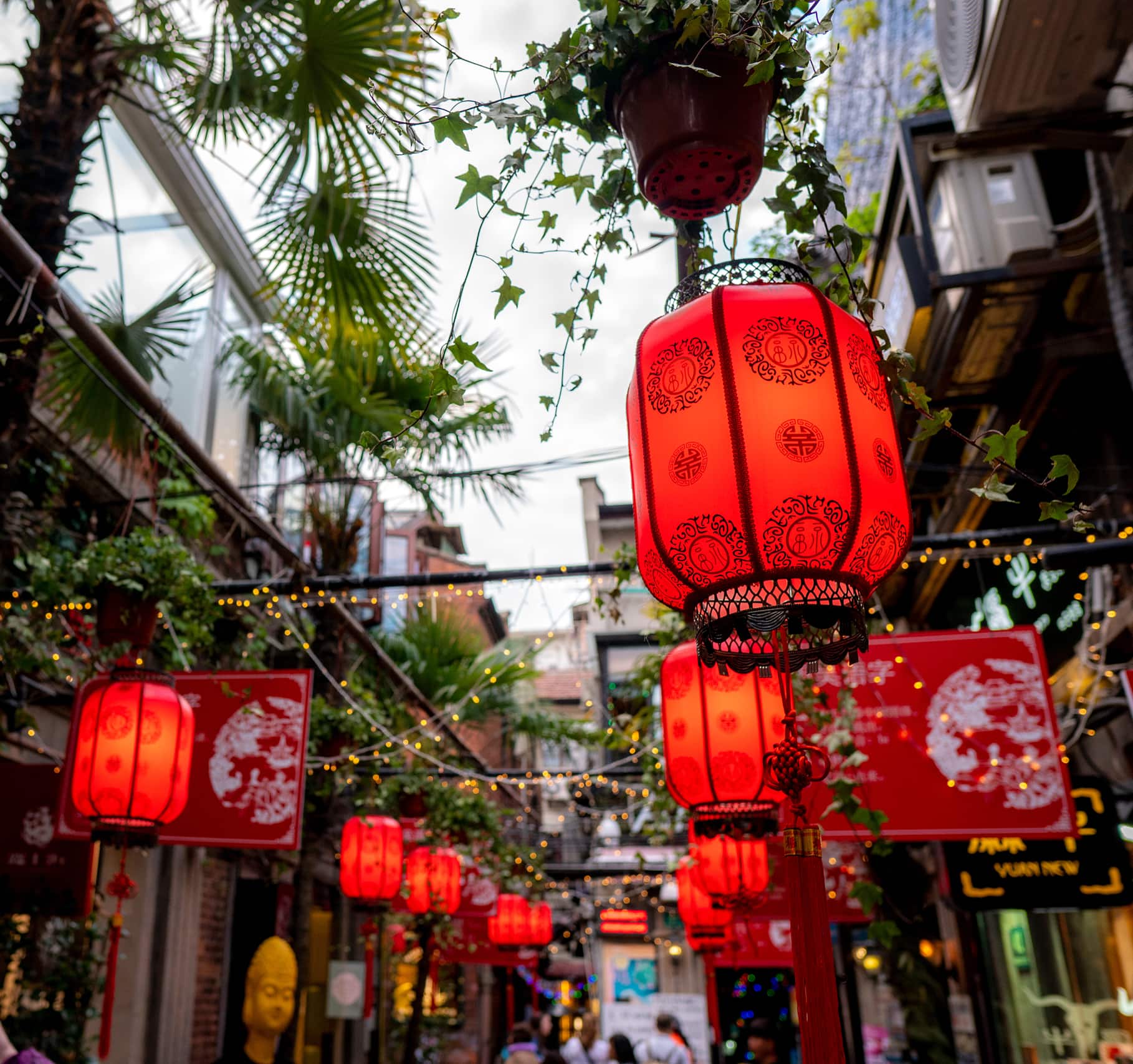
Tianzifang, Shanghai
Exploration time: 1–2 hours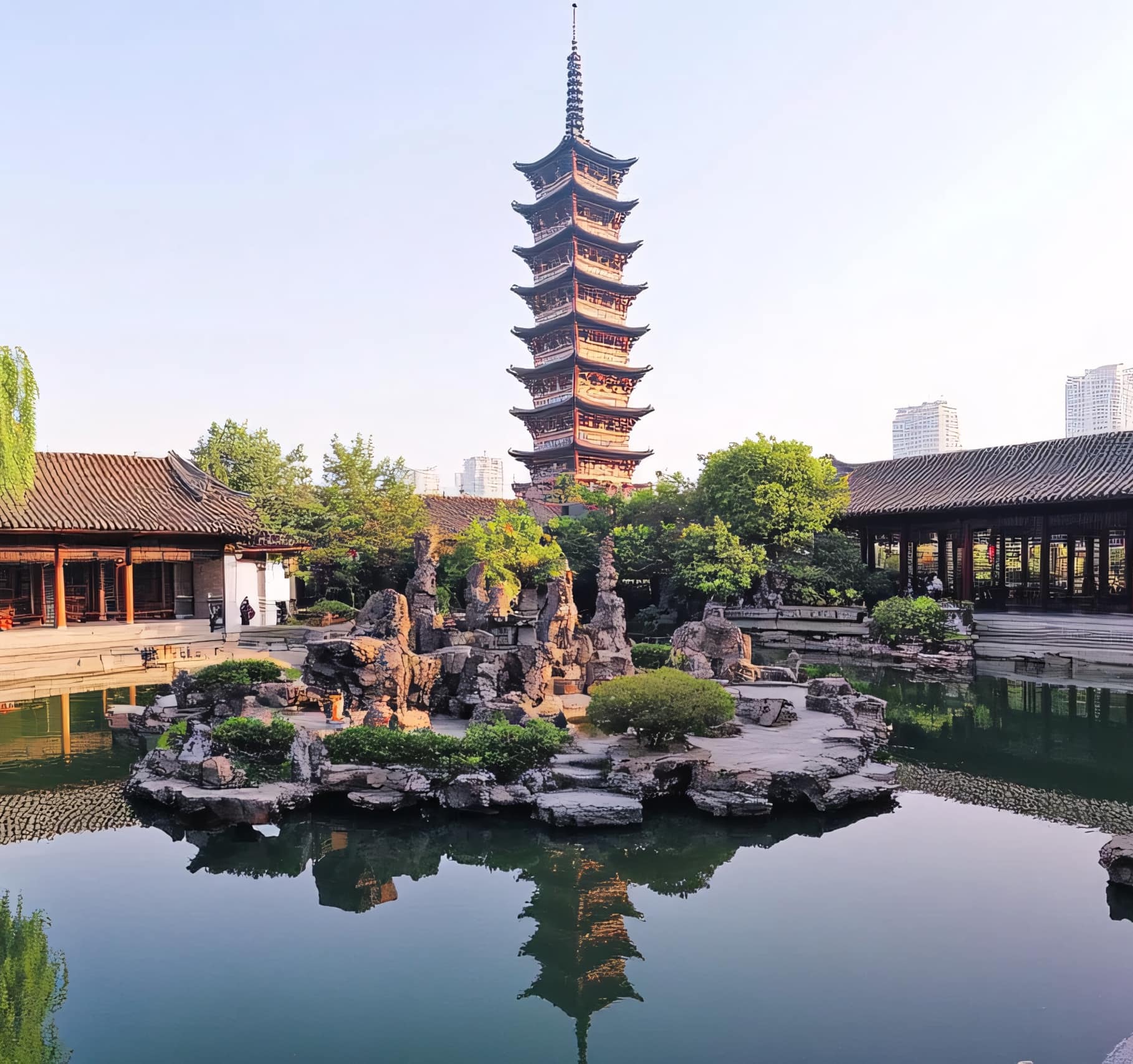
Longhua Temple and Pagoda, Shanghai
Exploration time: 1–2 hoursView All 9 places
Places to eat in Shanghai
Din Tai Fung, Shanghai
This international brand is recognised for its standardised preparation of dumplings and Taiwanese dishes. The Shanghai branches maintain a formal dining environment.
Popular dishes: Xiao Long Bao, Steamed Shrimp and Pork Dumplings
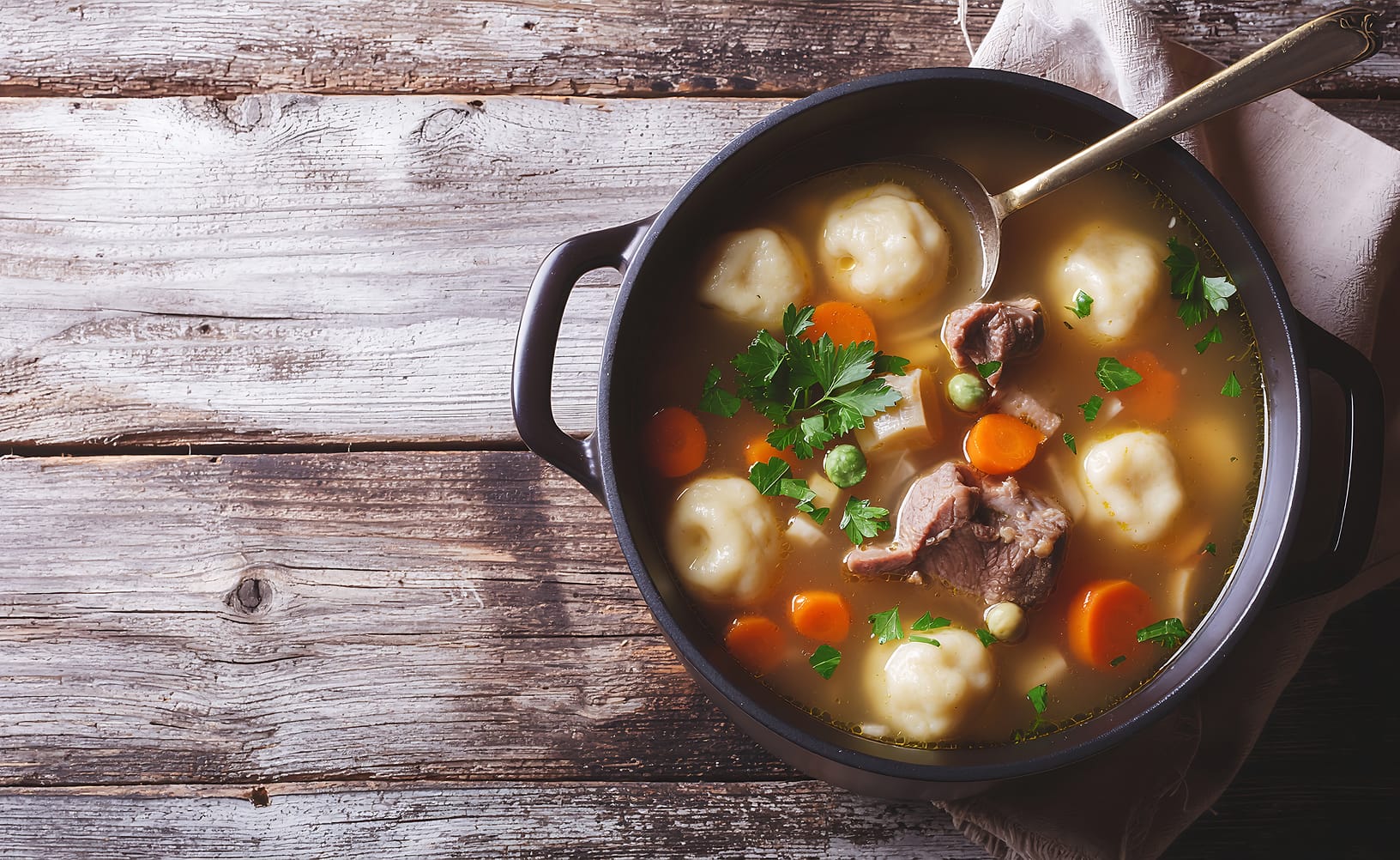
Nanxiang Xiaolong Mantou Dian
Located near Yu Garden, this restaurant has a long-standing association with the history of Shanghai's soup dumplings.
Popular dishes: Nanxiang Xiao Long Bao, Steamed Buns
Jia Jia Tang Bao, Shanghai
This local establishment focuses on traditional soup dumplings. Residents and guests frequently visit it for its standard of preparation and authentic approach to local street food.
Popular dishes: Crab Roe Soup Dumplings, Pork Soup Dumplings
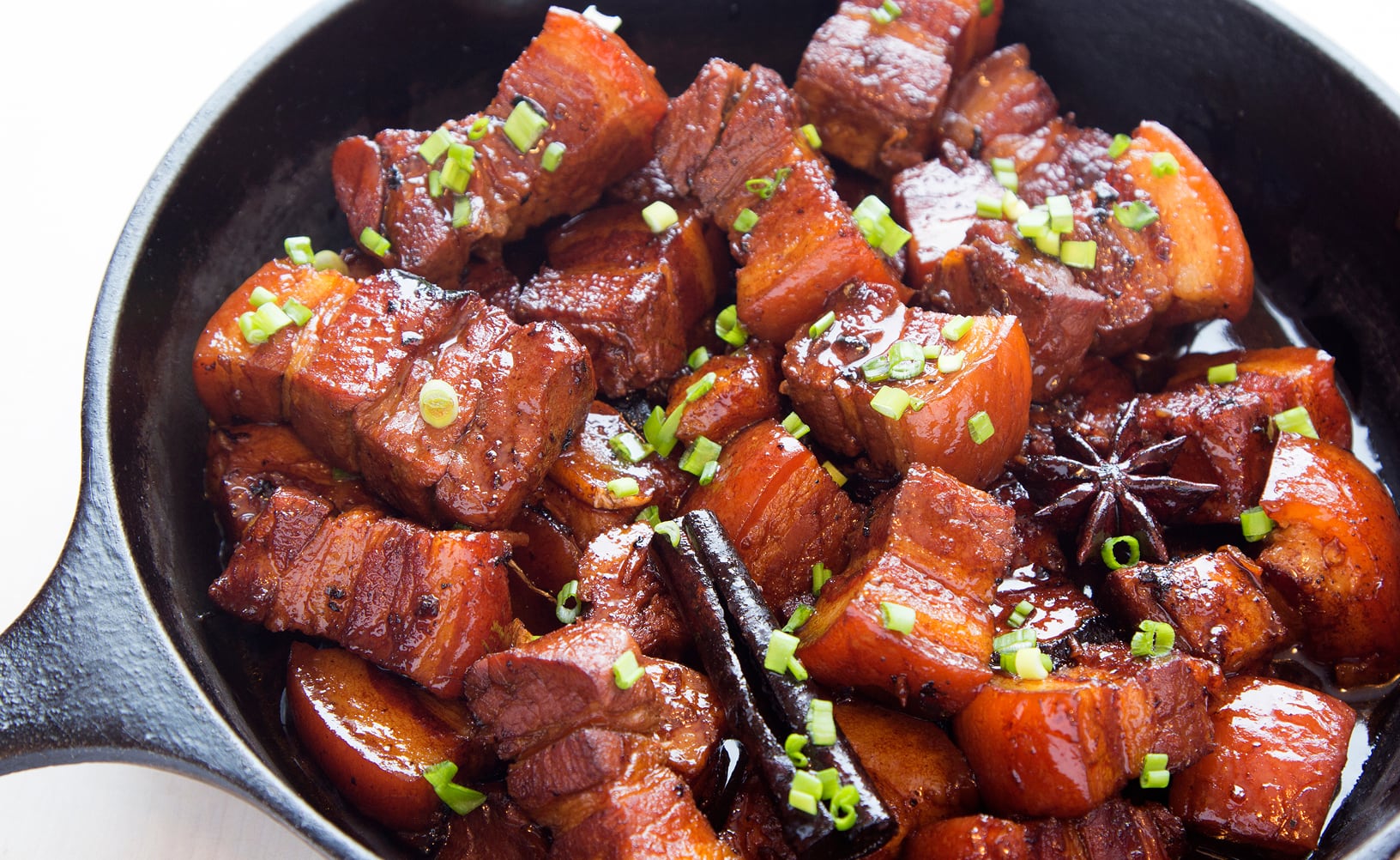
Old Jesse (Ji Shi), Shanghai
This restaurant serves home-style Shanghainese dishes. The interior and menu are designed to reflect the dining atmosphere of the early 20th century.
Popular dishes: Braised Pork Knuckle, Mandarin Fish with Sweet and Sour Sauce
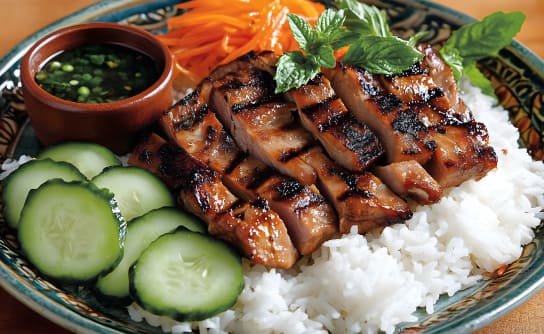
Lao Zheng Xing, Shanghai
Established in 1862, this is one of the city's oldest restaurants. It specialises in traditional braised dishes and is often cited as a primary example of classical Shanghainese cooking.
Popular dishes: Braised Pork Belly (Hong Shao Rou), Stir-fried River Shrimp
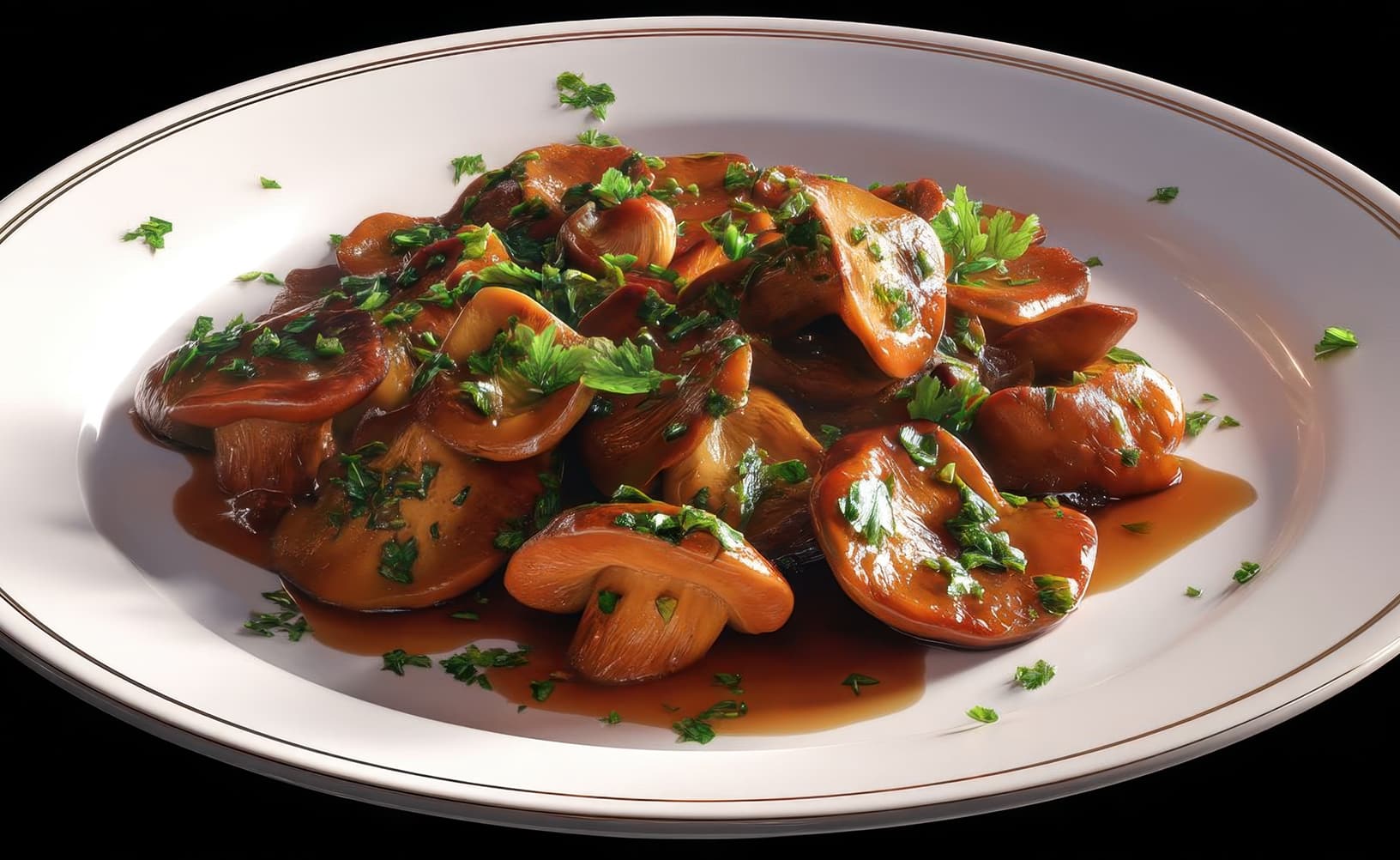
Fu He Hui, Shanghai
A vegetarian restaurant that provides a modern interpretation of Buddhist-inspired cuisine. The menu focuses on seasonal produce and is served in a quiet, structured environment.
Popular dishes: Seasonal Mushroom Tasting Menu, Vegetarian Dim Sum
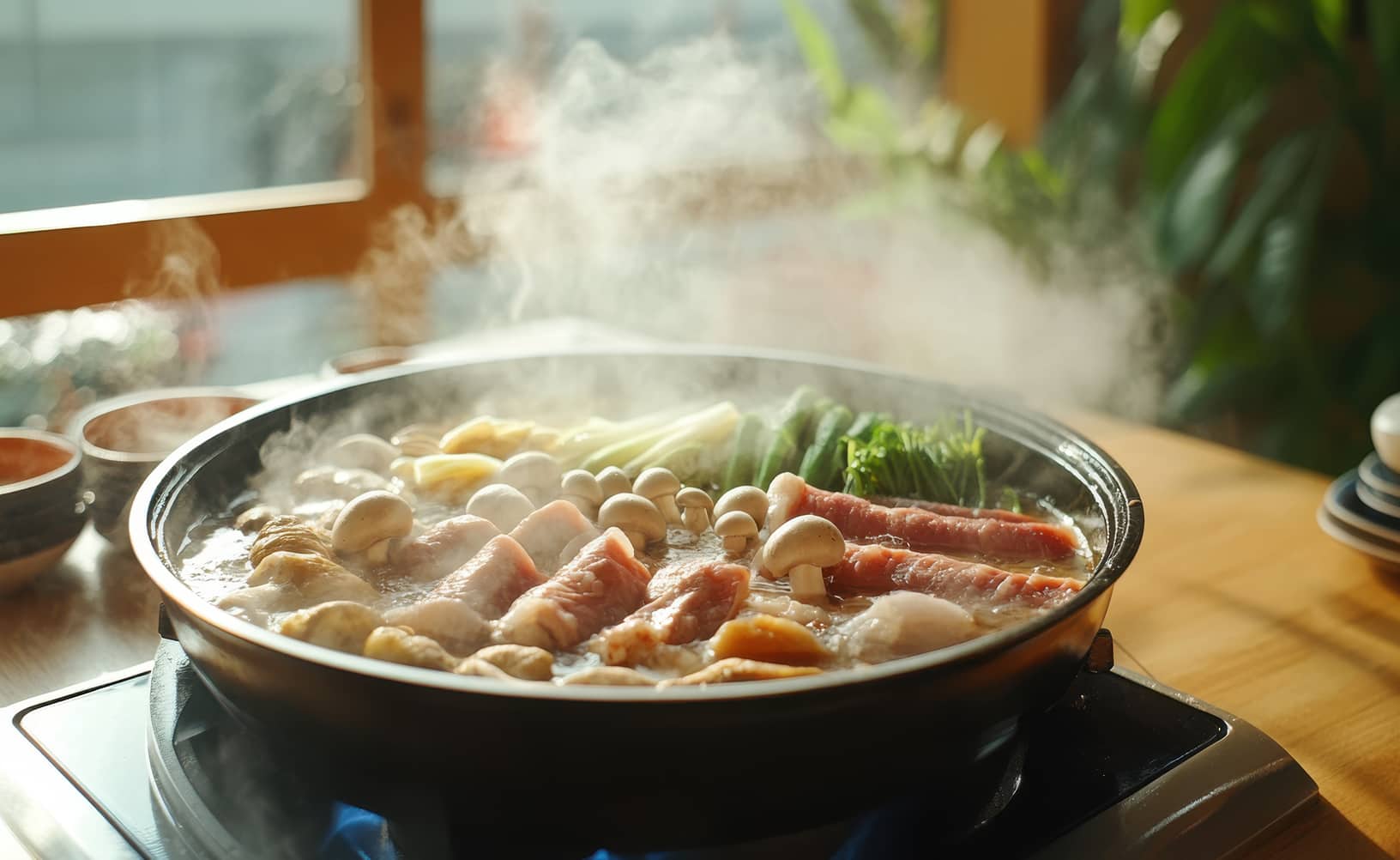
Lost Heaven, Shanghai
This restaurant focuses on the cuisine of Yunnan province, which incorporates spices and flavours different from those in local Shanghai dishes.
Popular dishes: Dai-style Grilled Fish, Yunnan Rice Cakes
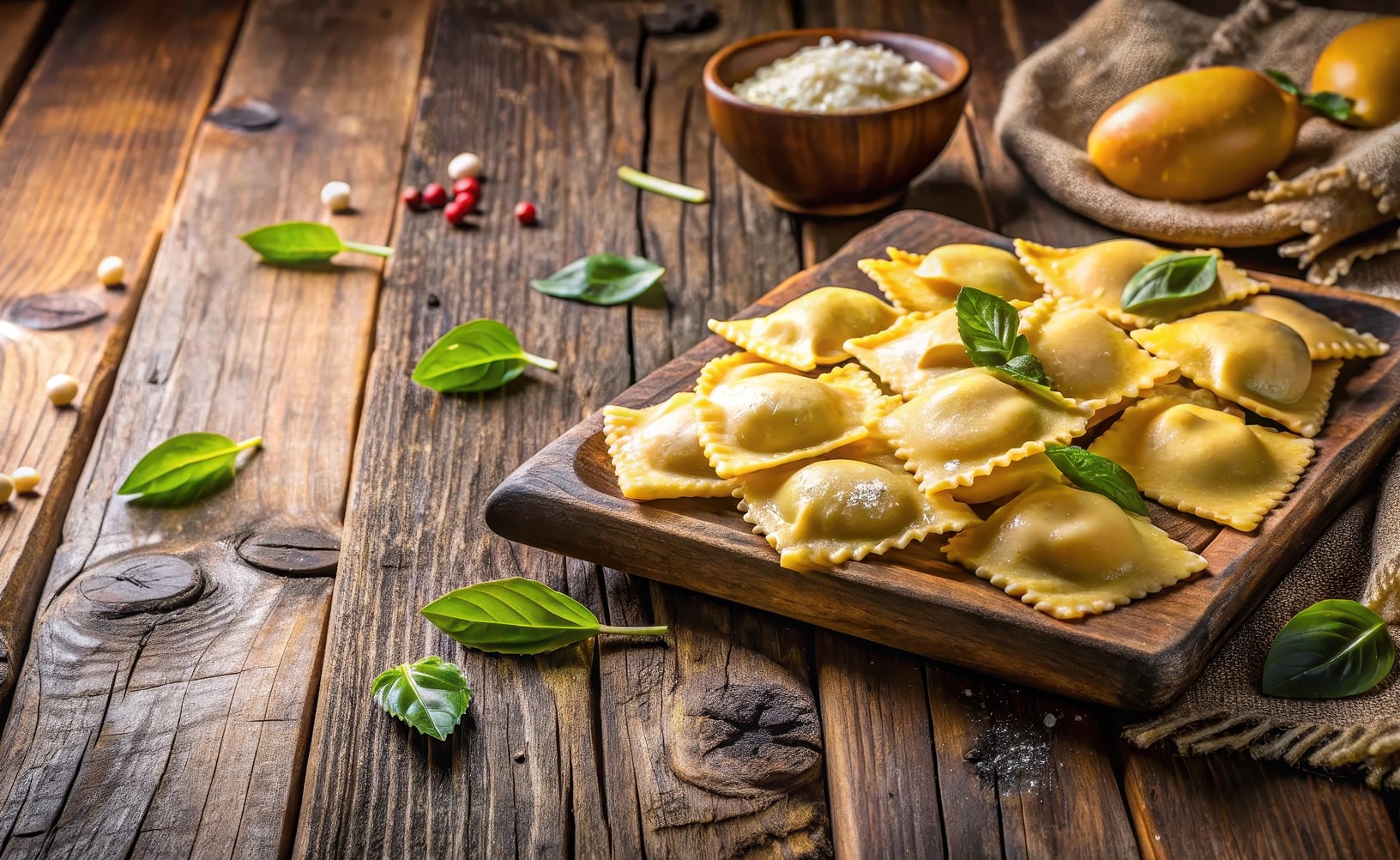
Mercato by Jean-Georges, Shanghai
Located on the Bund, this restaurant serves Italian coastal cuisine. It offers a view of the Huangpu River and the Pudong skyline.
Popular dishes: Wood-fired Pizzas, Seafood Risotto
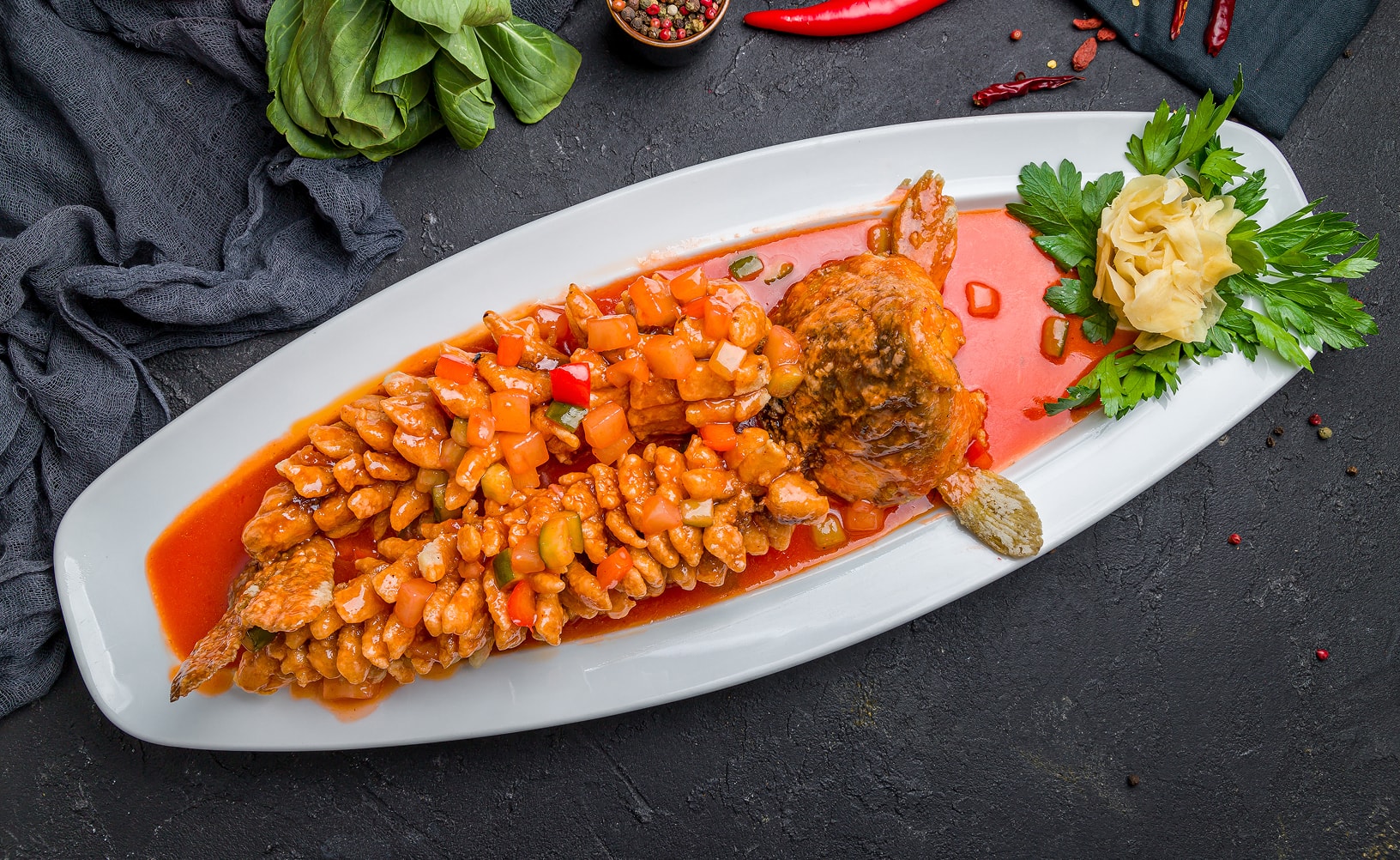
Wuyuerenjia, Shanghai
A well-regarded chain specialising in Suzhou-style noodles. It is a practical option for guests seeking a quick, traditional meal.
Popular dishes: White Silk Noodles, Crab Meat Noodles
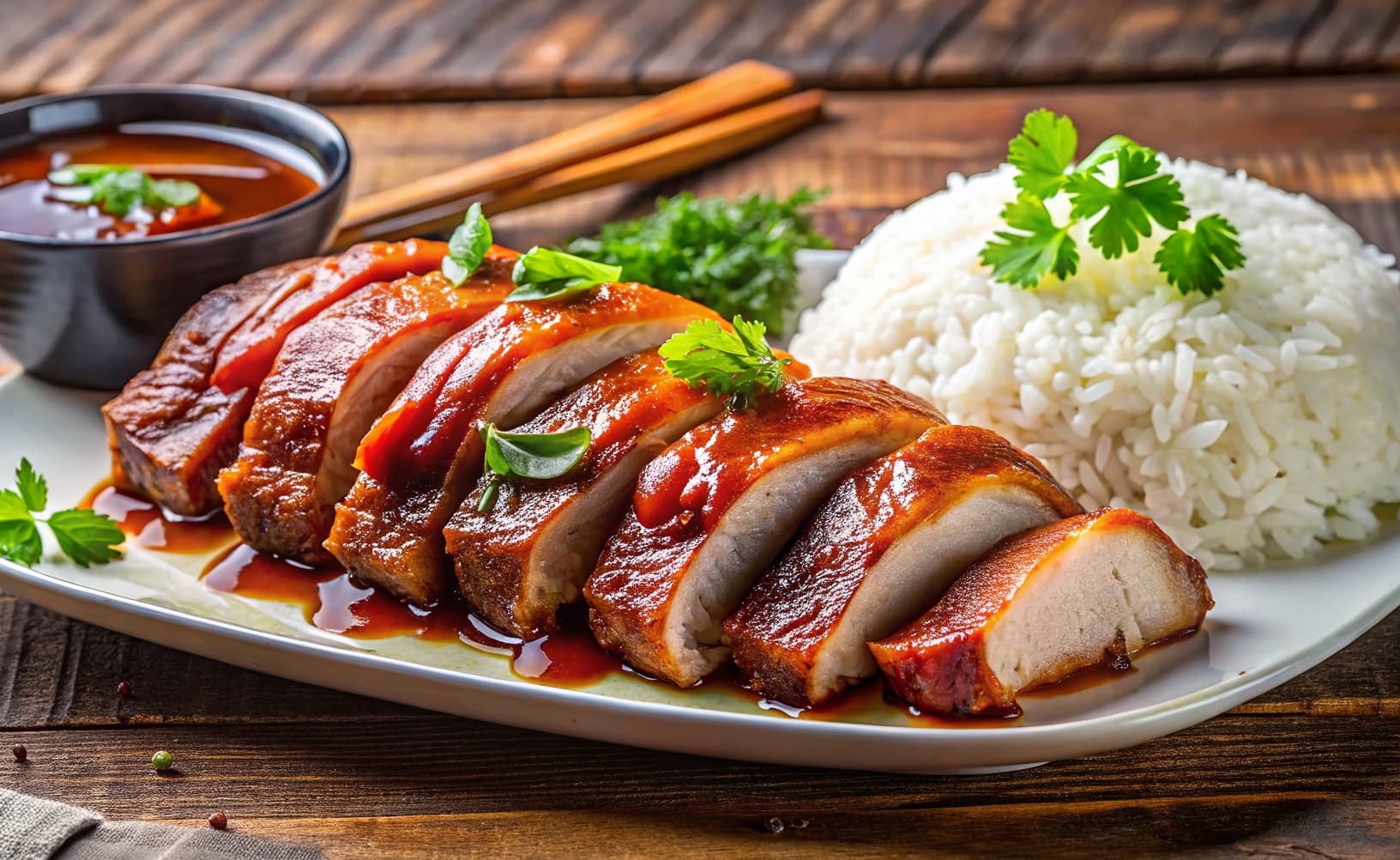
Canton 8, Shanghai
This establishment offers Cantonese cuisine and is known for its accessibility. It serves traditional dim sum and roasted meats.
Popular dishes: Crispy Roasted Pork Belly, Prawn Dumplings

Chai Huo Xiang Chu (Firewood Kitchen), Shanghai
Located in the Former French Concession, this restaurant focuses on rural Hunanese cuisine, known for its use of smoked meats and peppers.
Popular dishes: Smoked Pork with Bamboo Shoots, Steamed Fish Head with Chilli
Things To Do in Shanghai
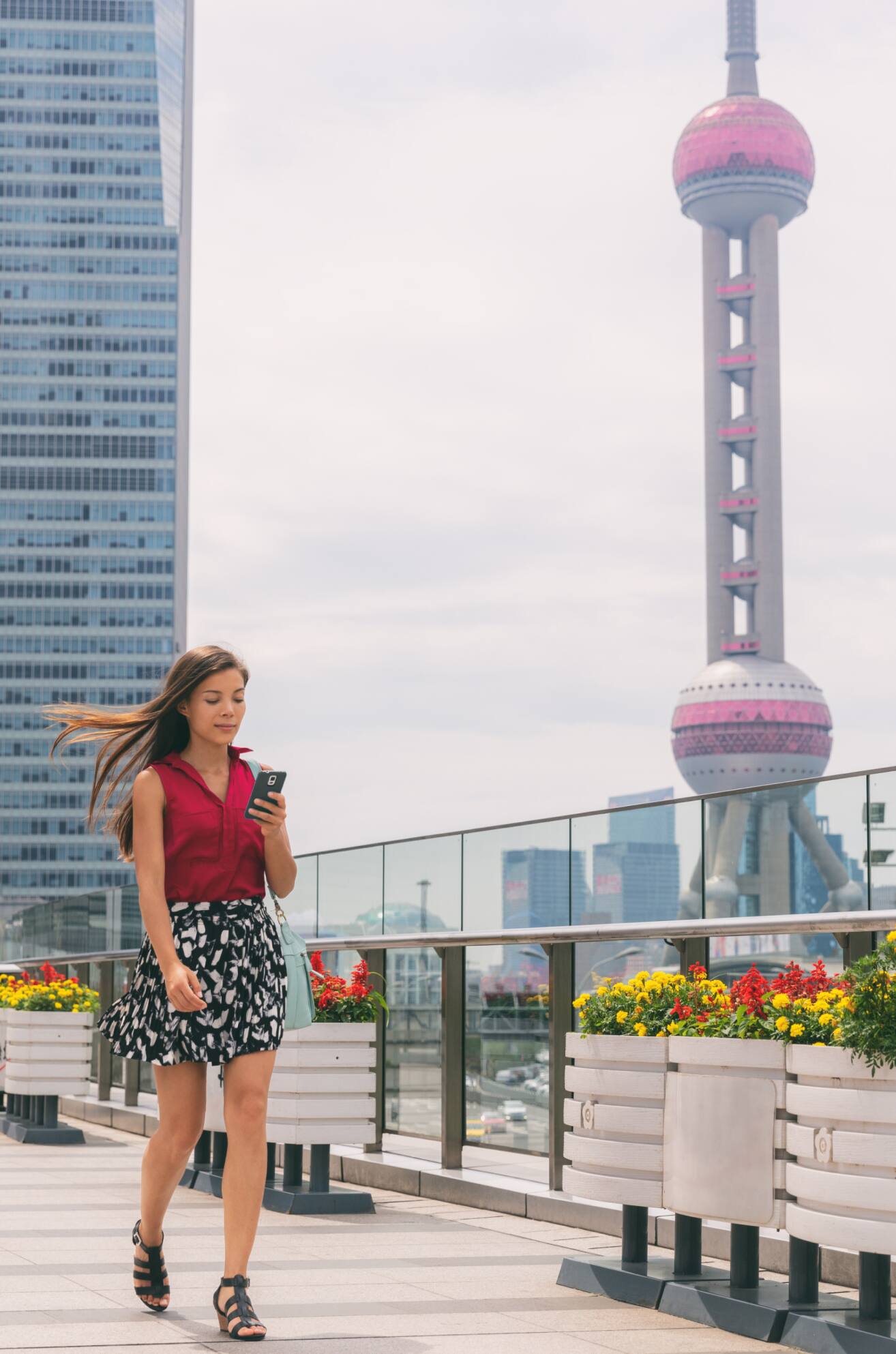
Walk the promenade along the Huangpu River
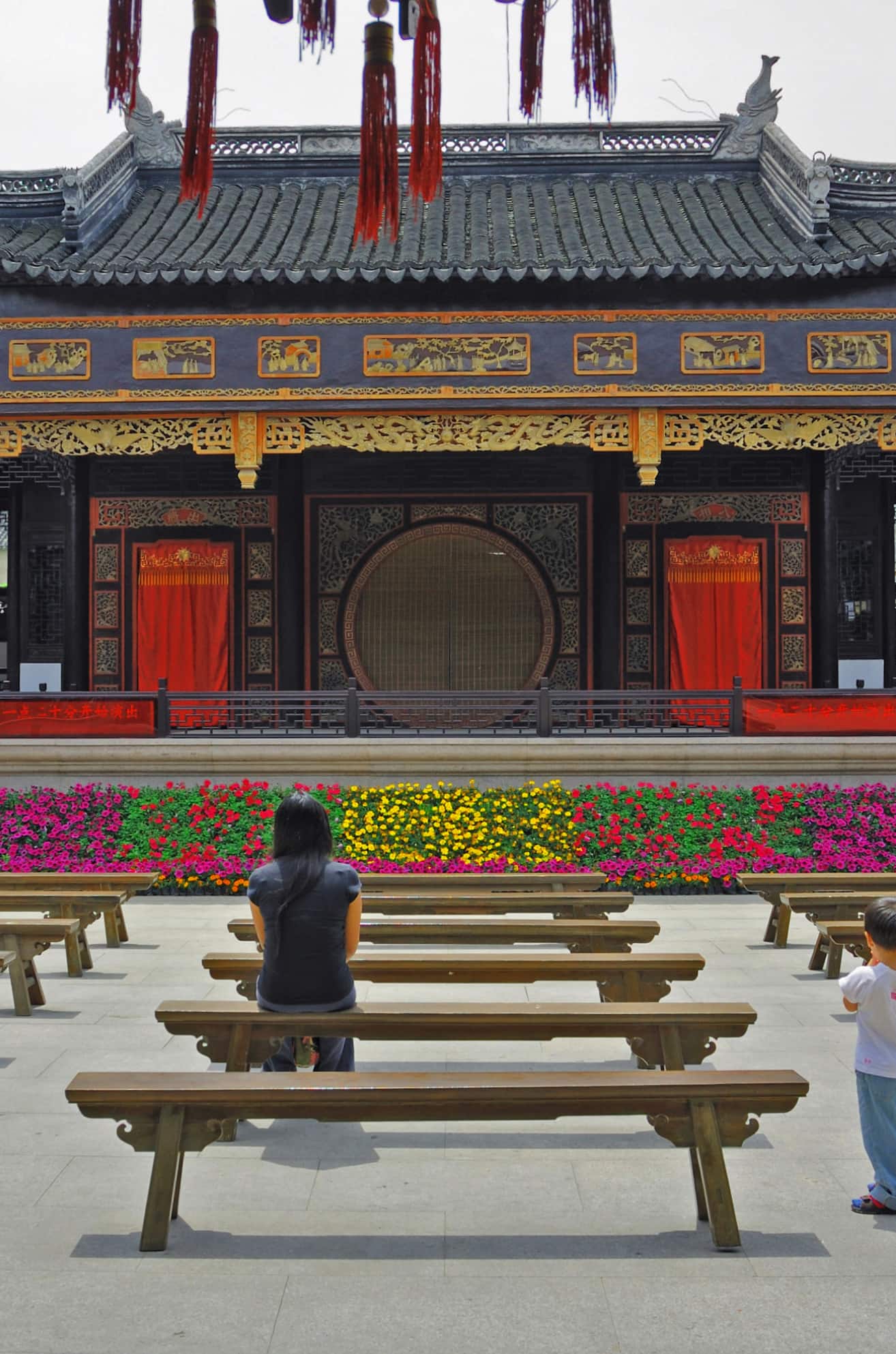
Attend classic opera or theatre performances
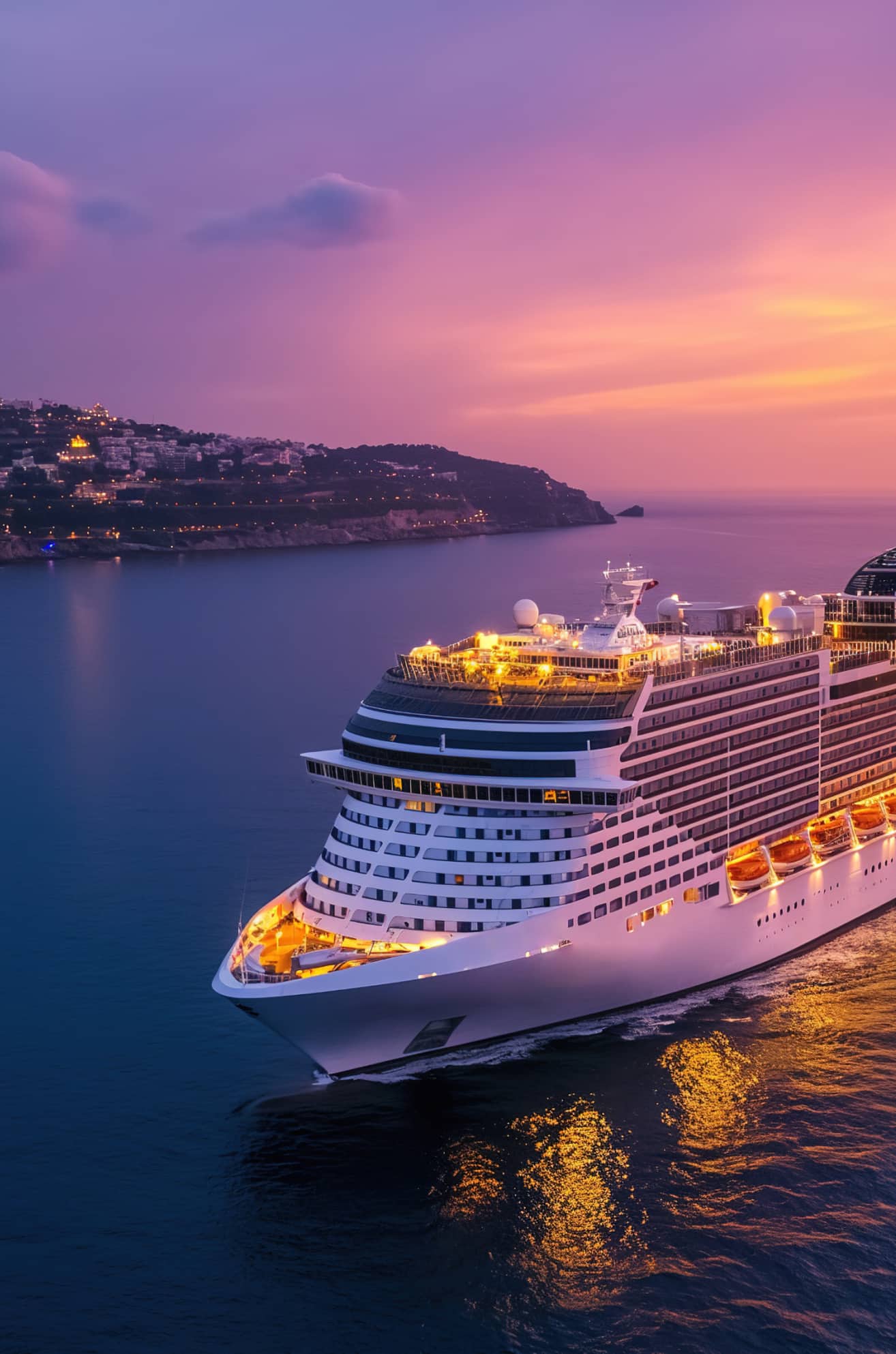
Take night river cruises
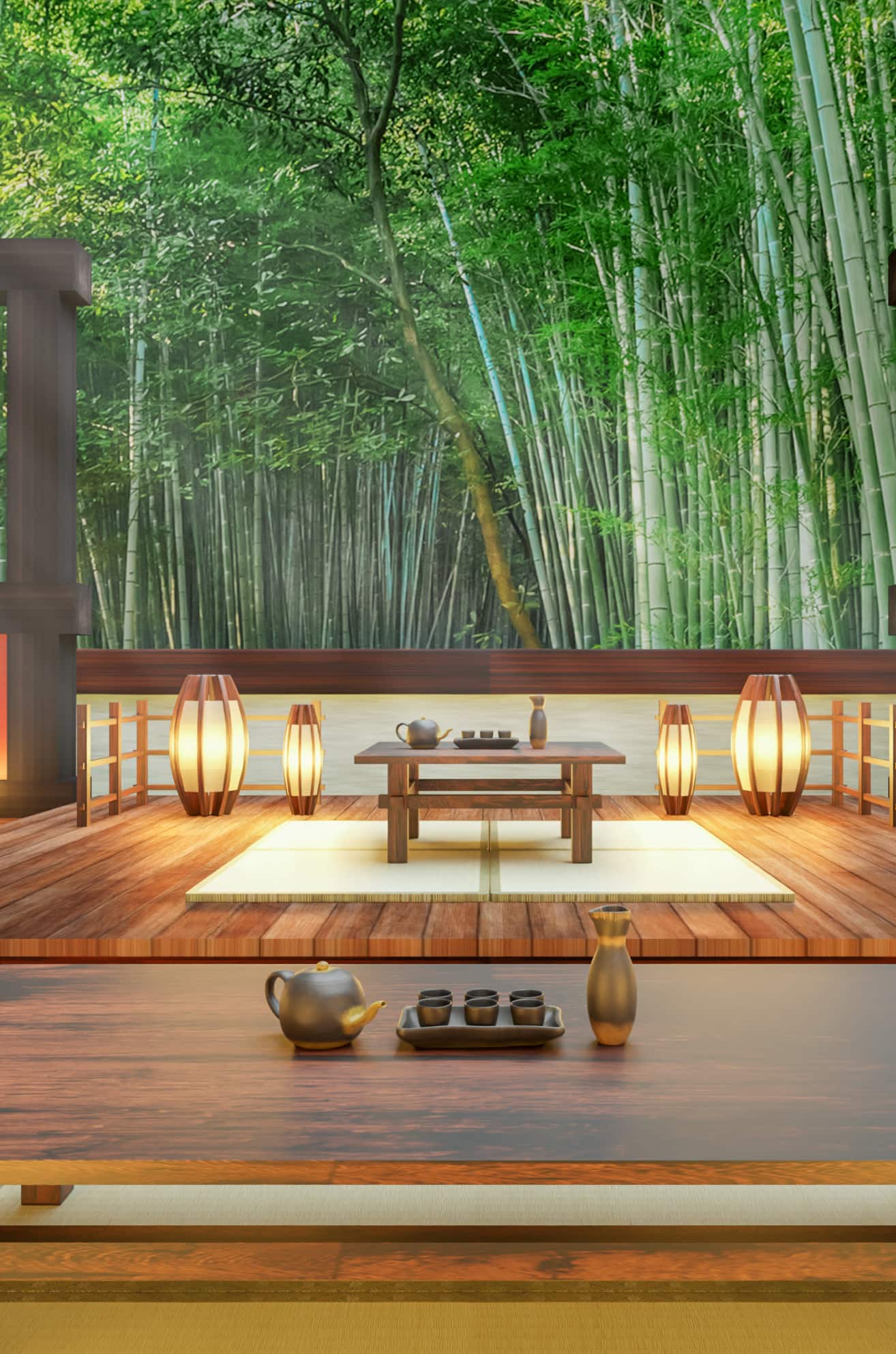
Tea houses and cultural centres are to be visited
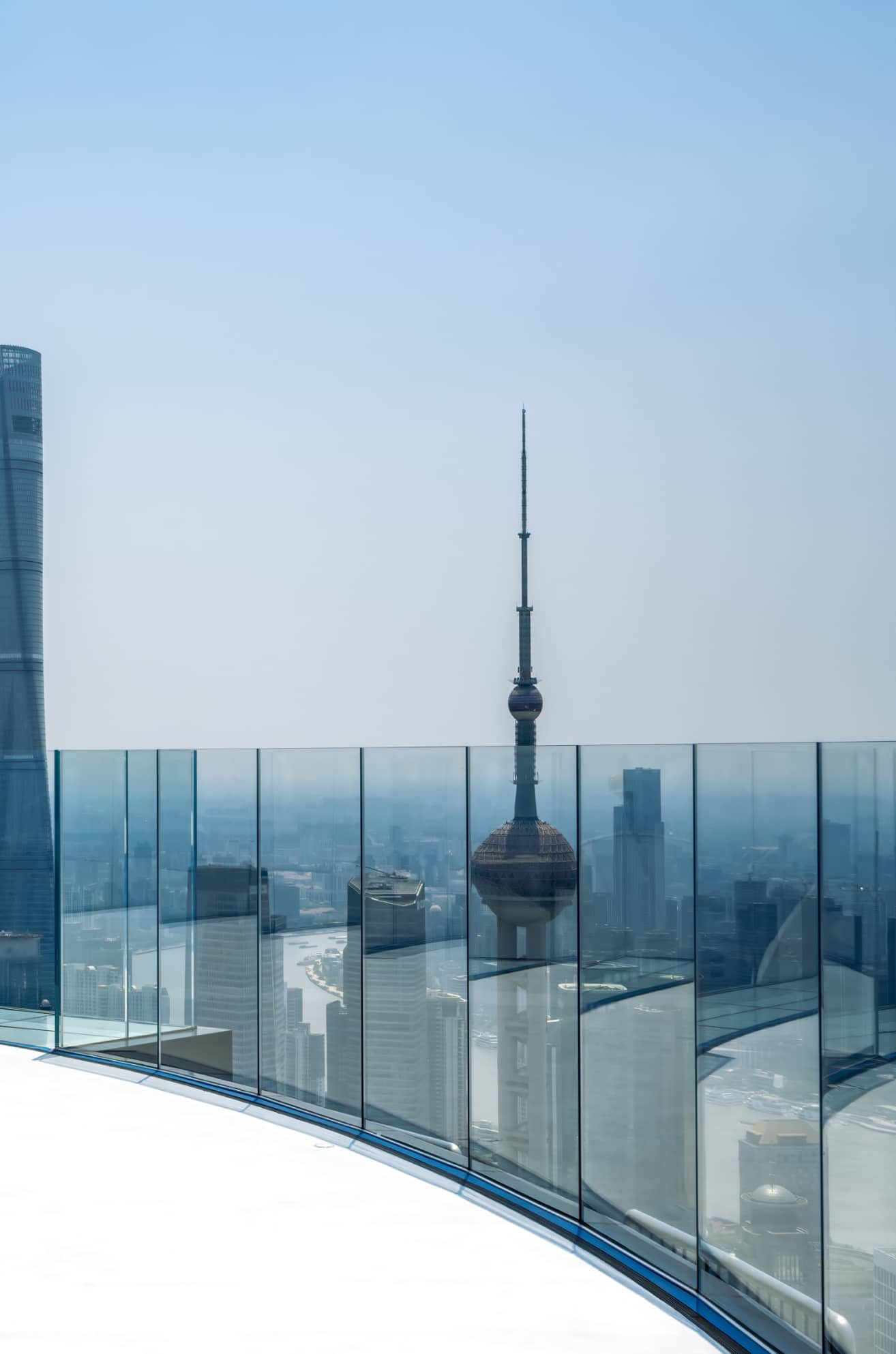
Visit the rooftop observation decks
Best time to visit Shanghai
Most commonly spoken languages in Shanghai
Shopping places in Shanghai
Shanghai provides a variety of shopping environments, from large-scale luxury malls and historic commercial streets to specialised local markets. This variety serves guests interested in international brands and those seeking regional handicrafts.
- Nanjing Road, Shanghai: Nanjing Road is a primary commercial street in the city centre. It features a mixture of international retailers, traditional Chinese shops, and large department stores. A significant portion of the road is a pedestrian-only zone, providing access to a high volume of retail outlets.
- Huaihai Road, Shanghai: Located in the Former French Concession, the road is known for its upscale retail scene. The street is lined with trees and houses numerous fashion brands and boutiques. It is often frequented by visitors seeking modern fashion and lifestyle products in a structured setting.
- IFC Mall, Shanghai: Situated in the Lujiazui financial district, this mall focuses on international luxury brands. The facility includes a cinema and various dining options. Its proximity to the major office towers in Pudong makes it a frequent stop for the business community and international guests.
- Super Brand Mall, Shanghai: This large-scale shopping centre is located near the Oriental Pearl Tower. It contains a wide range of mid-market fashion outlets and recreational facilities, making it a practical choice for families and large groups.
- Xintiandi, Shanghai: Xintiandi is an affluent car-free shopping and dining district. It is composed of reconstructed traditional shikumen (stone gate) houses. The area serves as a transition between historical architecture and modern retail.
- South Bund Fabric Market, Shanghai: For guests interested in custom-made clothing, this three-storey market houses hundreds of tailors. Visitors can browse a vast selection of silk, wool, and cotton to have garments produced to their measurements.
Festivals in Shanghai
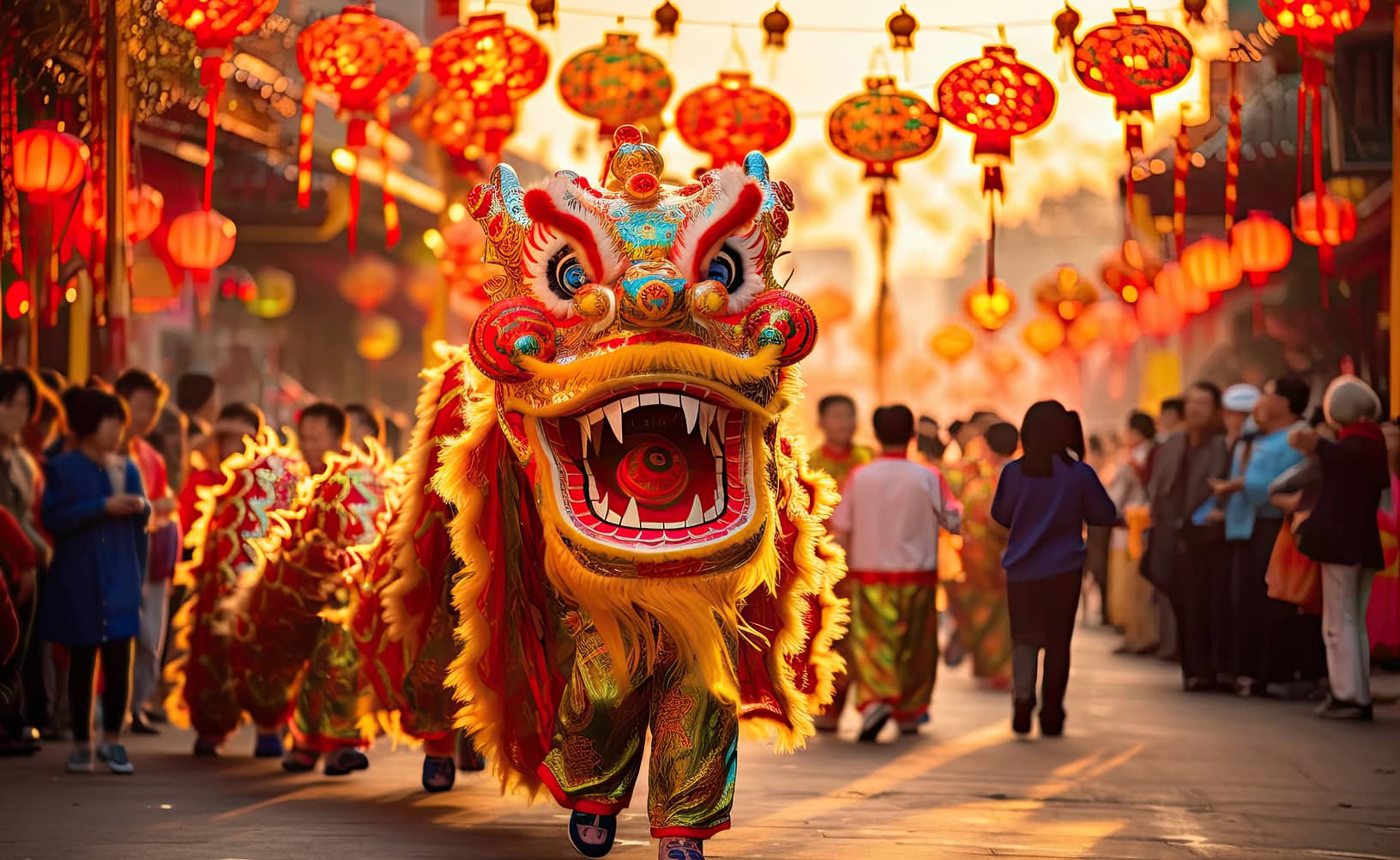
Chinese New Year (Spring Festival)
This is the most significant traditional event in the city. It is marked by family gatherings and temple fairs, such as those held at Longhua Temple and Guyi Garden. Public spaces and historic sites are decorated with lanterns, and traditional lion dances are common in commercial areas.
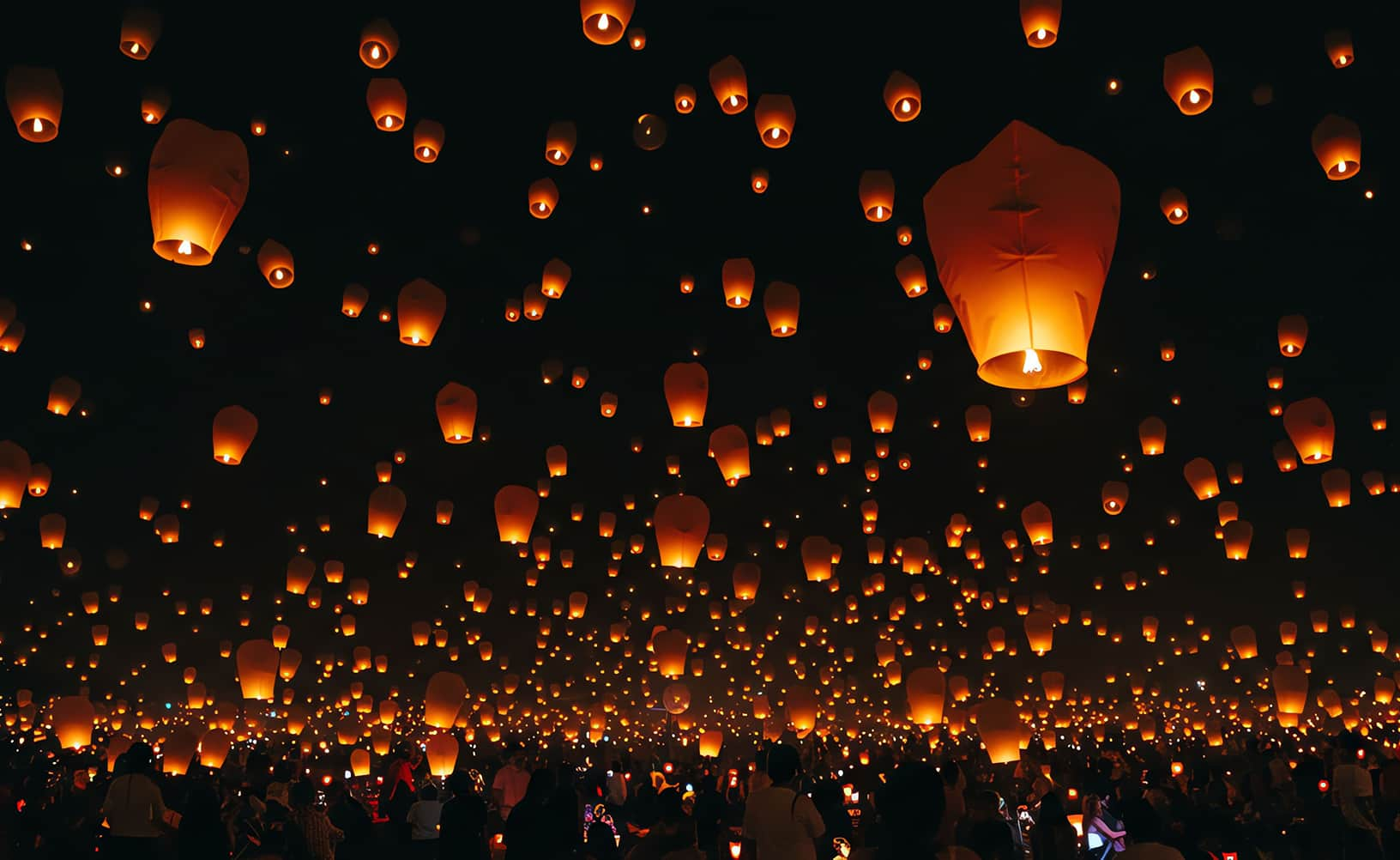
Lantern Festival
Occurring on the fifteenth day of the first lunar month, this festival marks the conclusion of the New Year celebrations. The Yu Garden Lantern Festival is a primary site for this event, featuring large-scale lantern installations and the consumption of tangyuan (sweet rice balls).
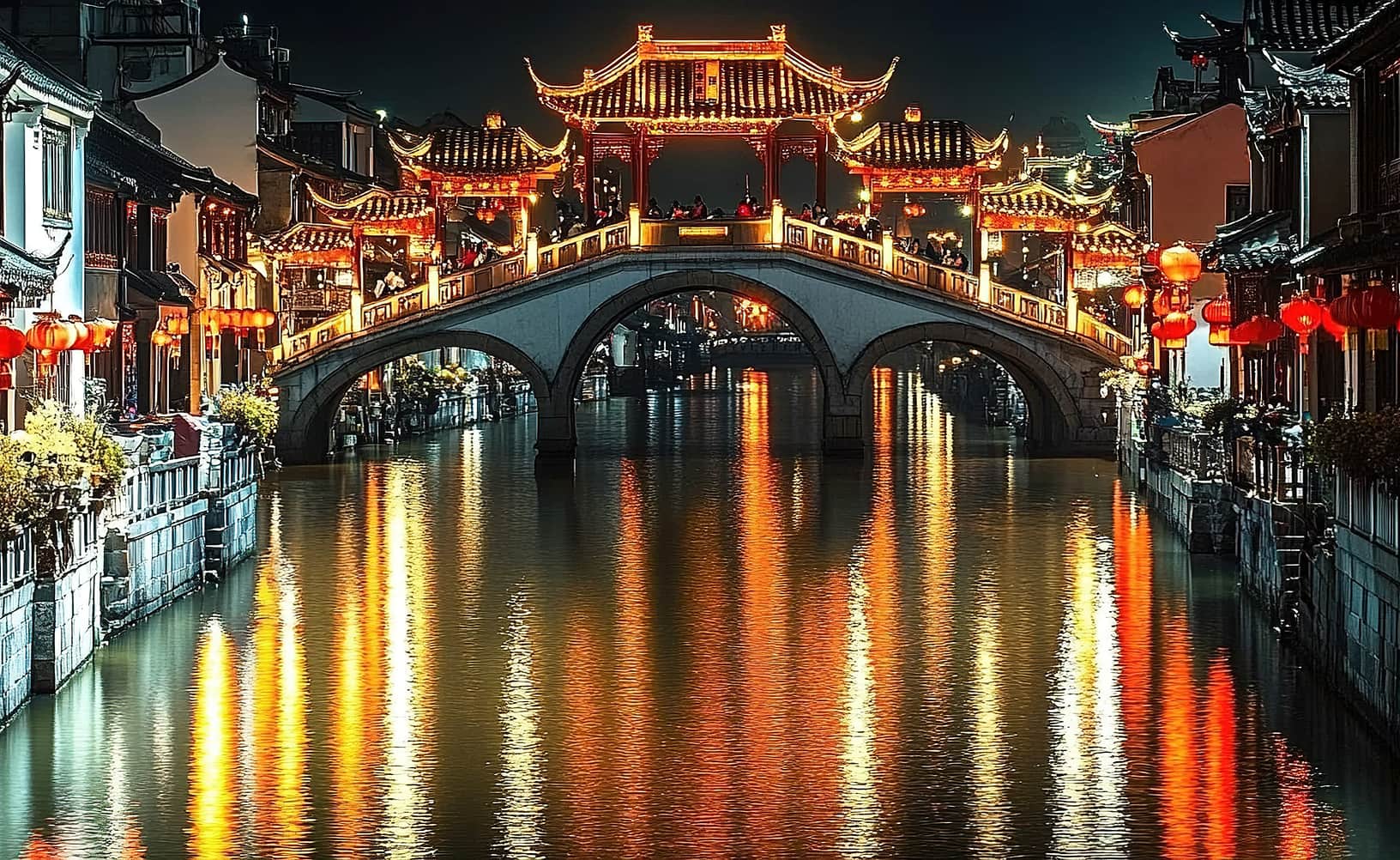
Qinming Festival (Tomb-Sweeping Day)
This festival is a time for families to pay respect to their ancestors. It also coincides with the arrival of spring, leading to increased activity in public parks and botanical gardens. Traditional foods consumed during this time include qingtuan (green glutinous rice balls).
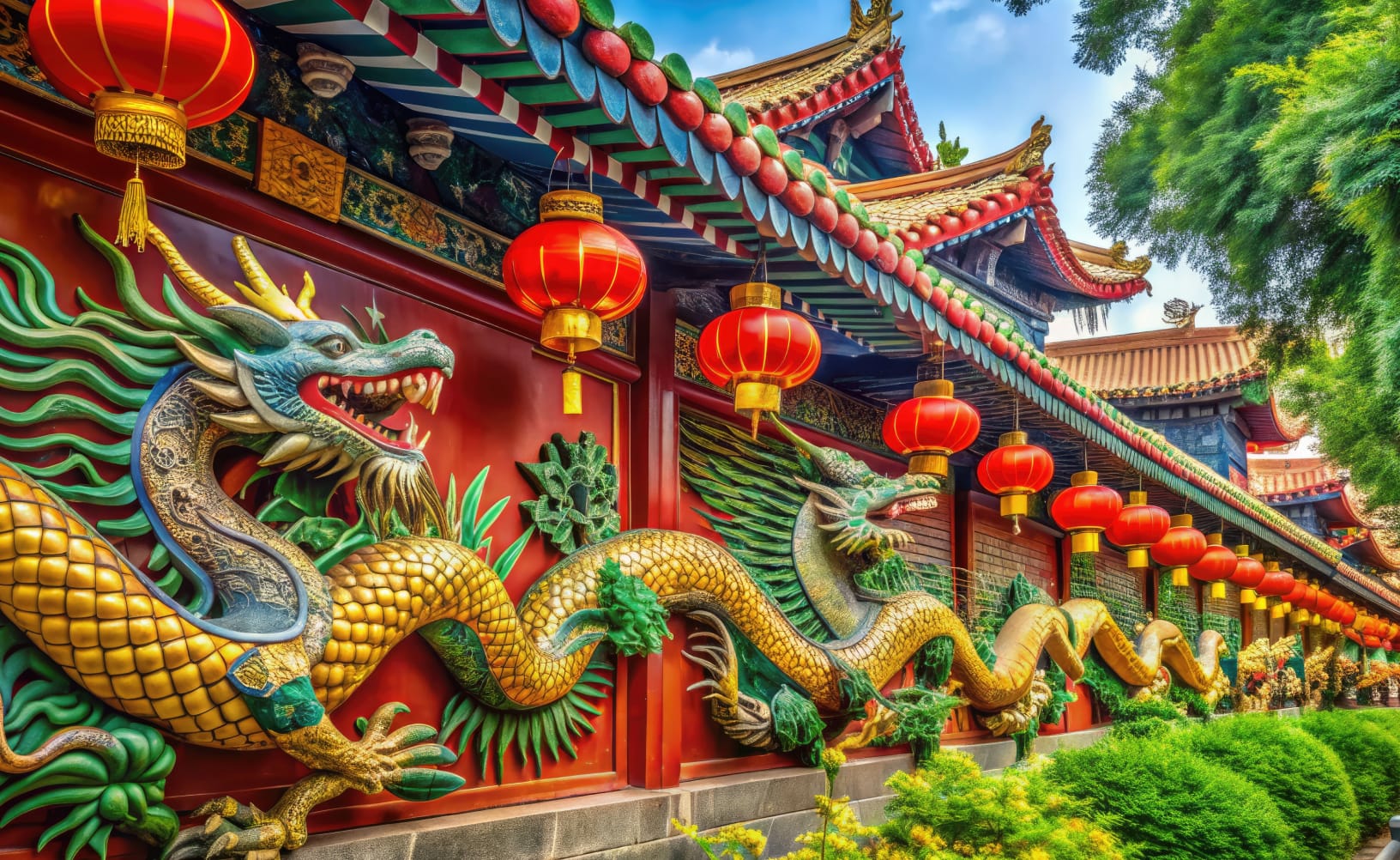
Dragon Boating Festival
This event commemorates the ancient poet Qu Yuan. In Shanghai, dragon boat races are held on various waterways, including the Suzhou Creek. It is customary for residents to eat zongzi (sticky rice dumplings wrapped in bamboo leaves).
Mid-Autumn Festival
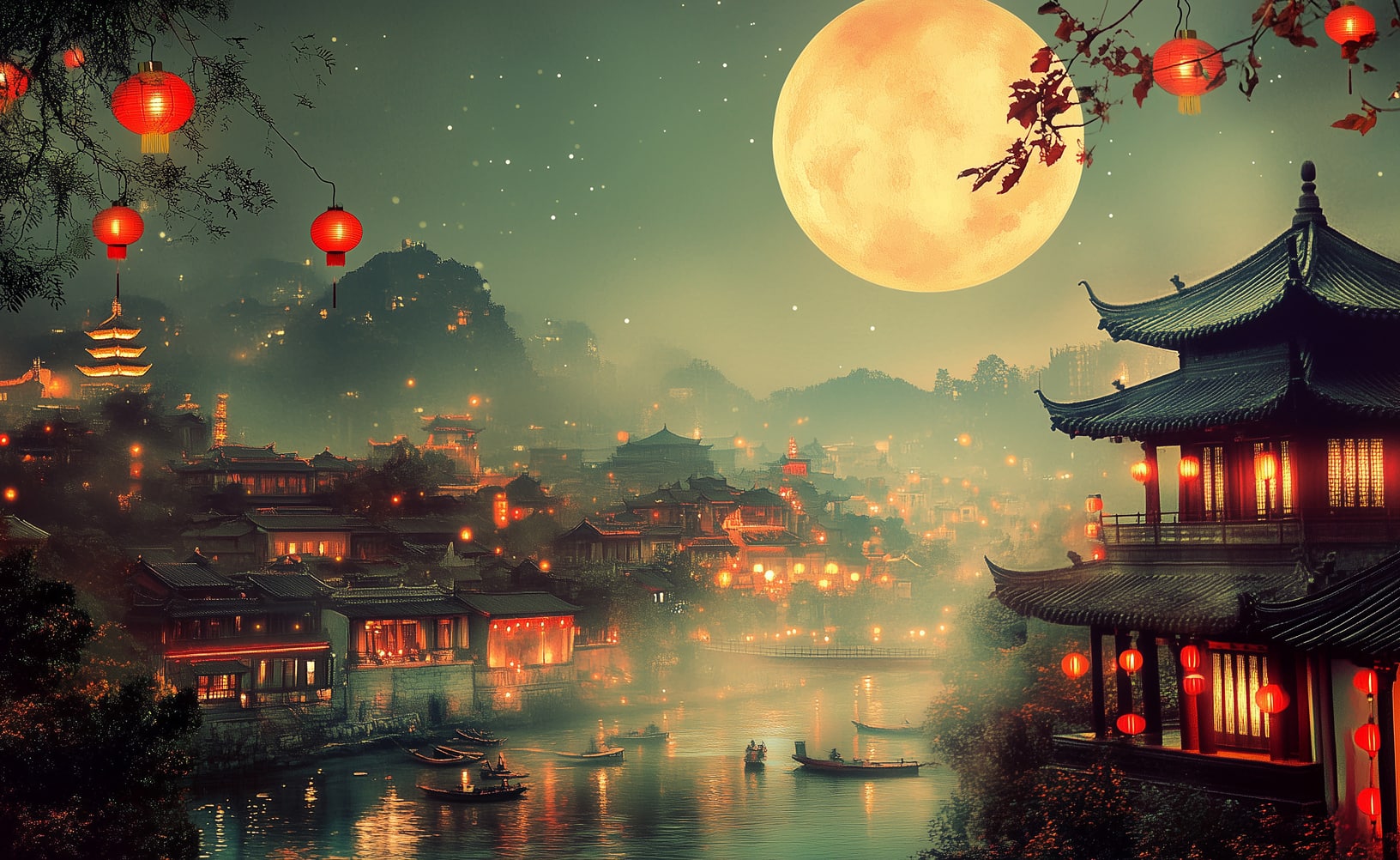
This festival centres on lunar appreciation and family unity. Guests will find various types of mooncakes available throughout the city. Public parks often host evening gatherings for moon viewing.
Shanghai Tourism Festival
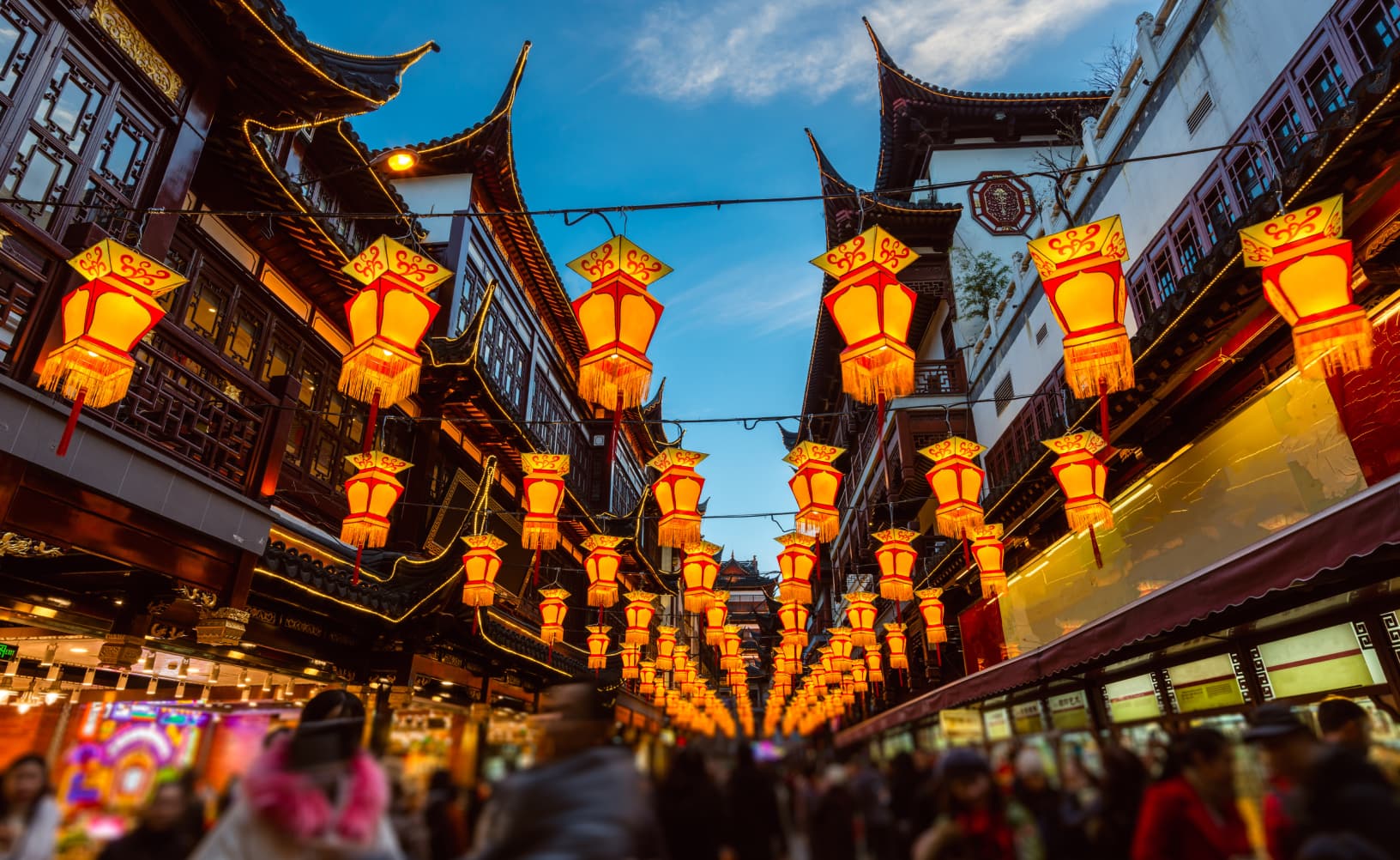
This citywide event features a large parade on Huaihai Road, cultural performances, and may offer reduced entry fees at many local attractions. It is designed to showcase the city's districts and historical sites.
More reasons to visit Shanghai
Beyond the primary landmarks, Shanghai offers several ways for guests to engage with the regional history and local lifestyle.
- Visiting traditional water towns: Several ancient water towns are located on the outskirts of the city, including Zhujiajiao, Qibao, and Nanxiang. These areas feature historical bridges and canal networks that reflect the Jiangnan regional style. They provide a contrast to the high-rise environment of the city centre and contain numerous temples and traditional folk art displays. Qibao is the closest, located approximately 18 km from the city centre and accessible by metro.
- Exploring the Shikumen architecture:Shikumen is a distinctive Shanghai residential architectural style that combines Western terrace elements with traditional Chinese courtyard layouts. While some areas have been modernised, guests can still find authentic lanes in the Xuhui and Jing'an districts. These neighbourhoods provide insight into the urban living conditions of the early 20th century.
- Walking down the creative districts and art spaces: The city has repurposed several industrial sites into cultural hubs. M50 Creative Park, located in a former textile mill on the banks of the Suzhou Creek, houses numerous contemporary art galleries and artist studios. The West Bund Cultural Corridor is another significant area, featuring large-scale museums such as the Long Museum and the Centre Pompidou x West Bund Museum Project.
- A hot cup of traditional tea: Visiting a tea house allows guests to observe traditional preparation methods. Many establishments specialise in regional varieties such as Longjing (Dragon Well) or Biluochun. These venues often serve as quiet spaces for residents and visitors to engage with Chinese tea rituals and history.
- Experiencing performing arts: Shanghai is a centre for various forms of Chinese opera, including the local Huju (Shanghai Opera) and the widely recognised Peking Opera. The Shanghai Grand Theatre and the Yifu Theatre frequently host performances. These shows are known for their specific vocal styles, elaborate costumes, and traditional storytelling.
- Enjoying panoramic views on the Huangpu River Cruise: A river cruise provides a perspective on the city's development, showing the colonial-era buildings of Puxi on one side and the modern skyscrapers of Pudong on the other. Route lengths range from 45 minutes to over an hour.
- Exploring traditional artforms: In the early morning, residents use public spaces such as Fuxing Park and People’s Square for Tai Chi and calligraphy. Observing these activities provides insight into the daily social routines of the local population.
