

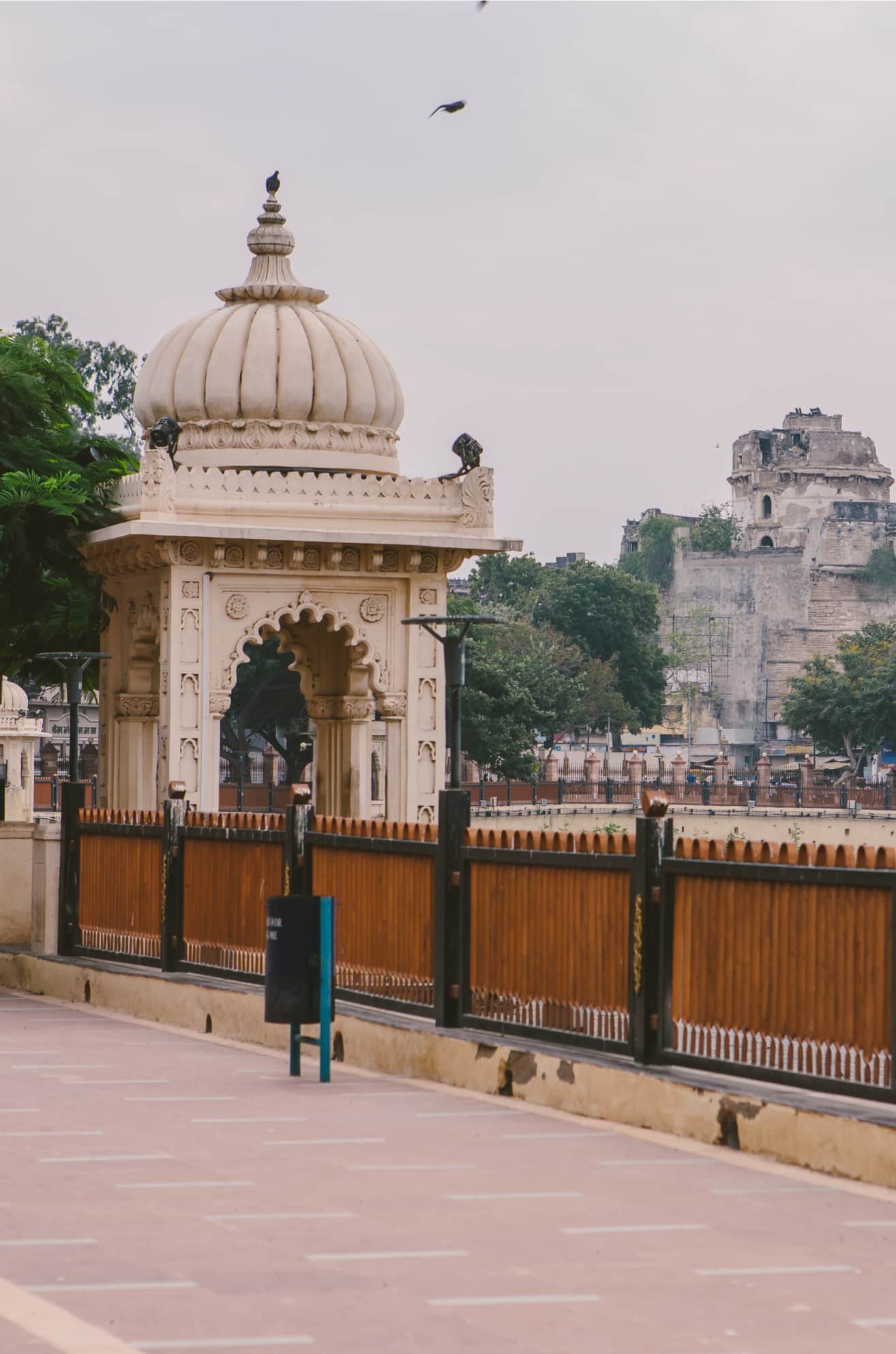
- Historic palace and museum visits
- Attend religious rituals conducted at popular temples
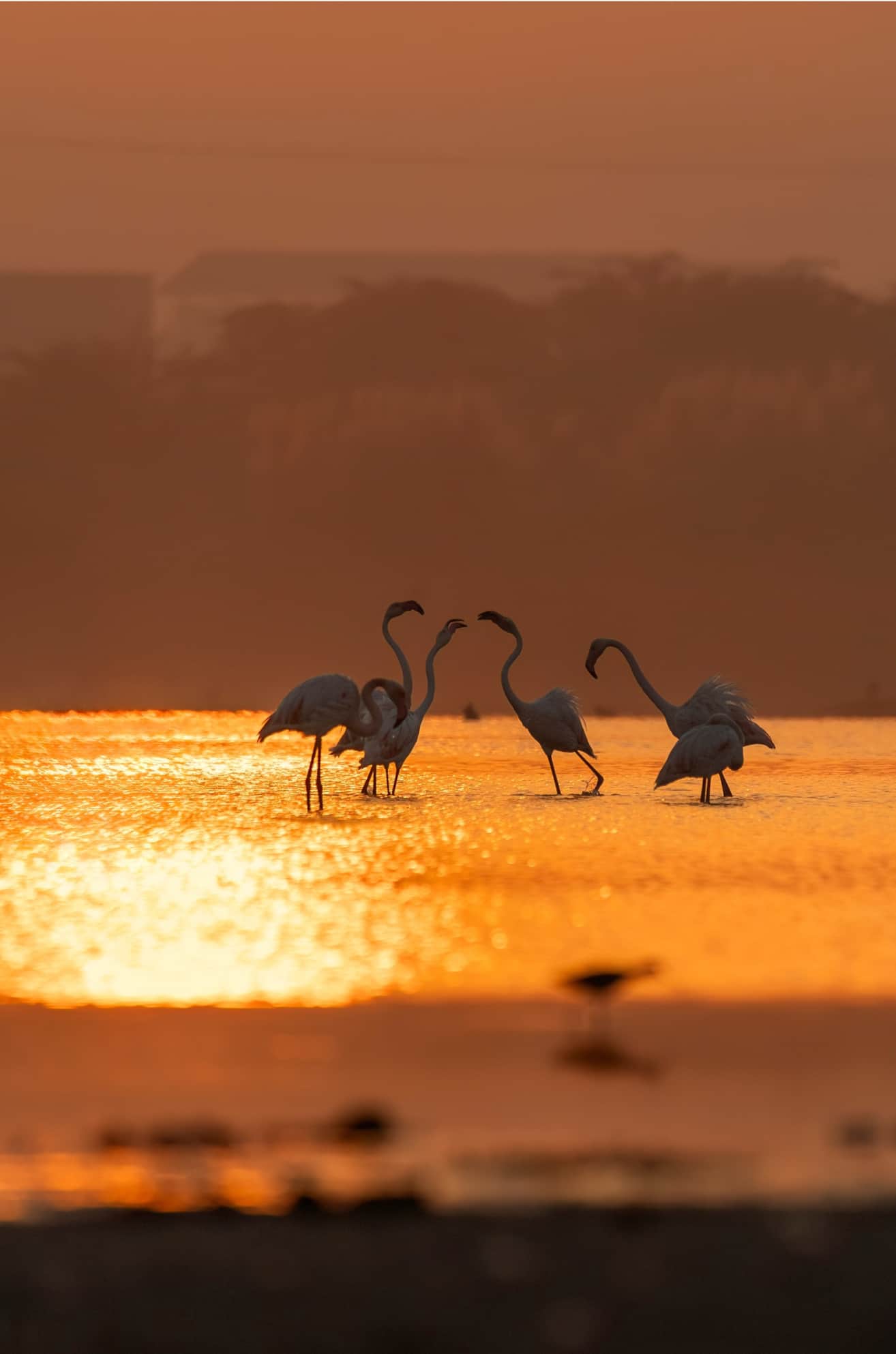
- Explore bird sanctuaries and coastal environments
- Enjoy walks around lakes and city parks
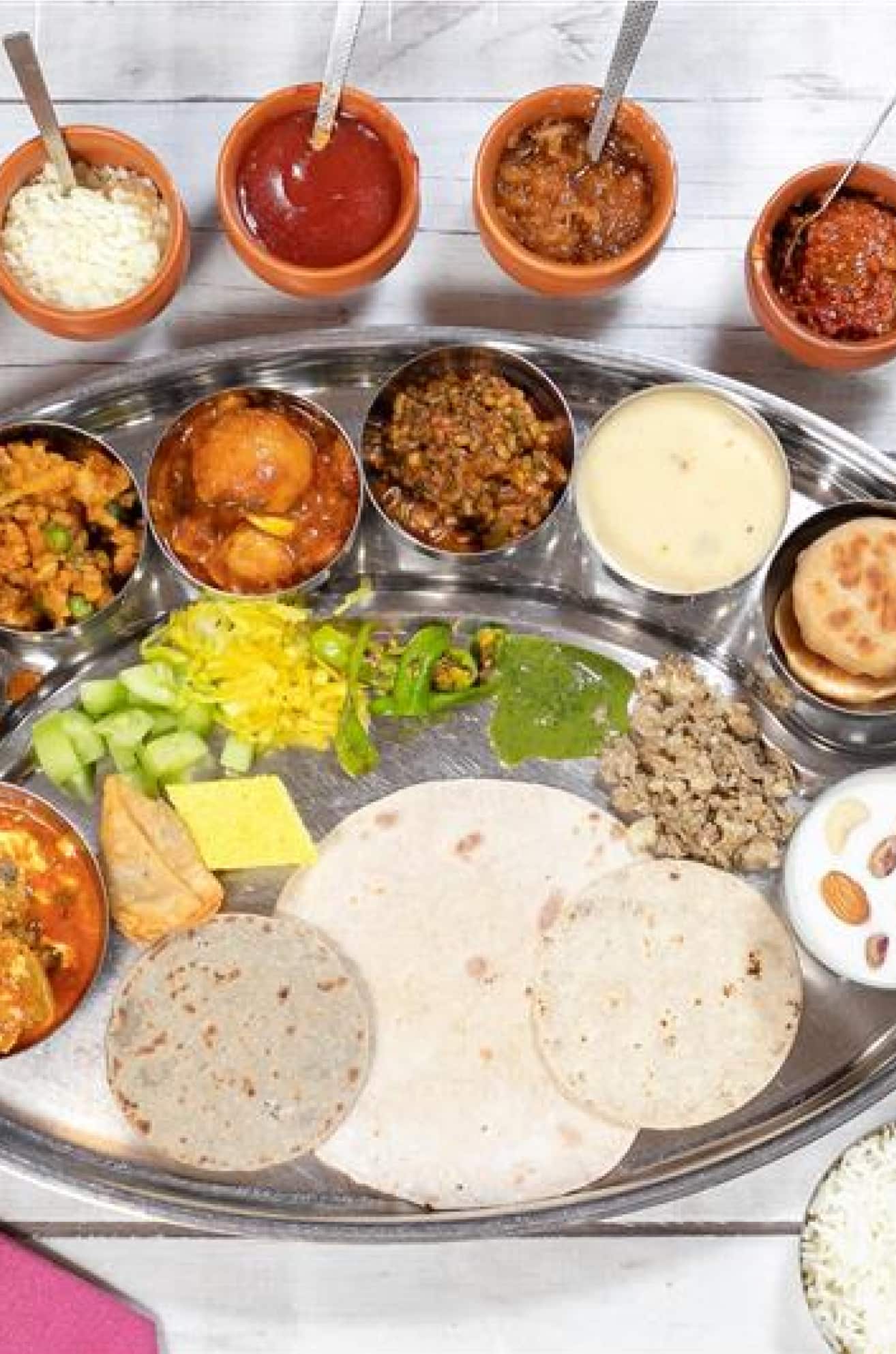
- Explore traditional Kathiyawadi cuisine
- Take day trips to nearby coastal and pilgrimage destinations

Jamnagar is a port city located in Gujarat, western India, along the southern side of the Gulf of Kutch. The city, founded by Jam Rawal, was previously the “capital of the princely state of Nawanagar.” The city of Jamnagar has flourished throughout the centuries due to its rich cultural heritage, rich history and organised urban planning.
At present, Jamnagar occupies a unique place in Gujarat because of its historical, religious, natural, and modern attractions related to industry. The city is globally acclaimed for being close to India’s first marine national park and also revered at the local level for its temples, palaces, lakes, and bird sanctuaries. Jamnagar provides tourists with a holistic experience of travelling, which combines history and nature along with life in cities.
How to reach Jamnagar?
- By air: The Jamnagar Airport (JGA) is around 7 kilometres from the city centre; only domestic flights operate from this airport. Regular flights generally function between Jamnagar and Mumbai. However, timings may vary according to the seasonal changes. The airport offers necessary passenger facilities, along with easy connectivity to the city by taxis and app-based cabs.
- By train: Jamnagar Railway Station is an important rail connectivity point in the western part of the state of Gujarat. This station has broad gauges and is connected to other major cities like Ahmedabad, Rajkot, Vadodara, Surat, and Mumbai by express and passenger trains. Railways continue to be a cheaper means of reaching Jamnagar from other parts of the state.
- By road: Roads from Rajkot, Ahmedabad, Dwarka, Porbandar, and other major towns of Saurashtra connect Jamnagar well to national and state highways, embedding it well into a network of major Saurashtra towns and major ports. Regular bus services are available from GSRTC, along with express and luxury buses; besides this, taxis and personal transport are also commonly used.
- Getting around/local transport in Jamnagar: In Jamnagar, local transport is available in the form of auto-rickshaws, cycle rickshaws, city buses, and taxi cabs. Auto-rickshaws are available for travelling short distances, and taxis are suitable for day trips and sightseeing.
Places to visit
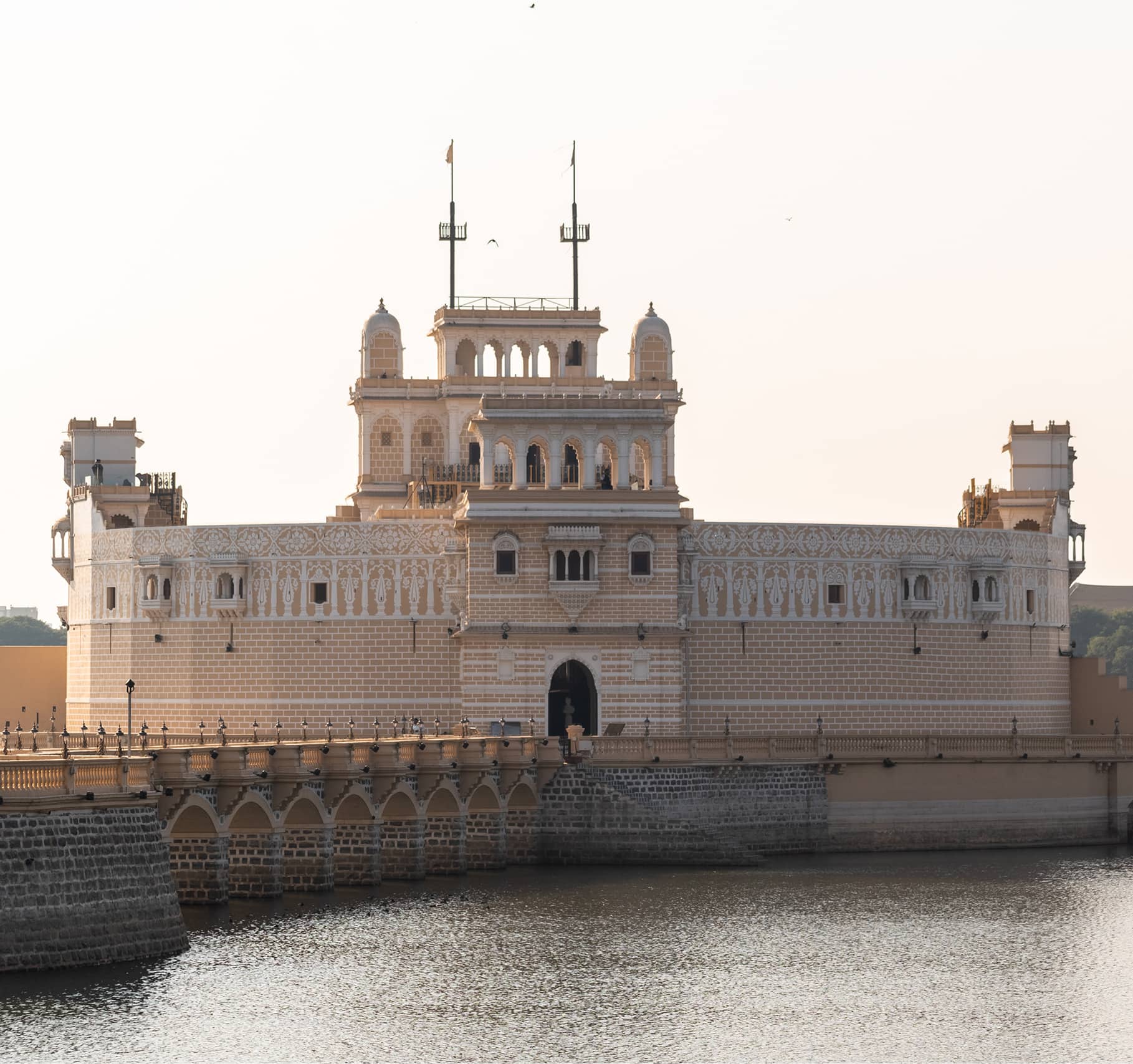
Lakhota Lake & Lakhota Palace
Lakhota Lake is an artificial lake created during the princely state period, with the Lakhota Palace located on an island in the middle of the lake. Presently, the palace is used as a museum that exhibits artworks like weapons, sculptures, inscriptions, and paintings, which showcase the royal regime in Jamnagar.
Exploration time: 1-2 Hours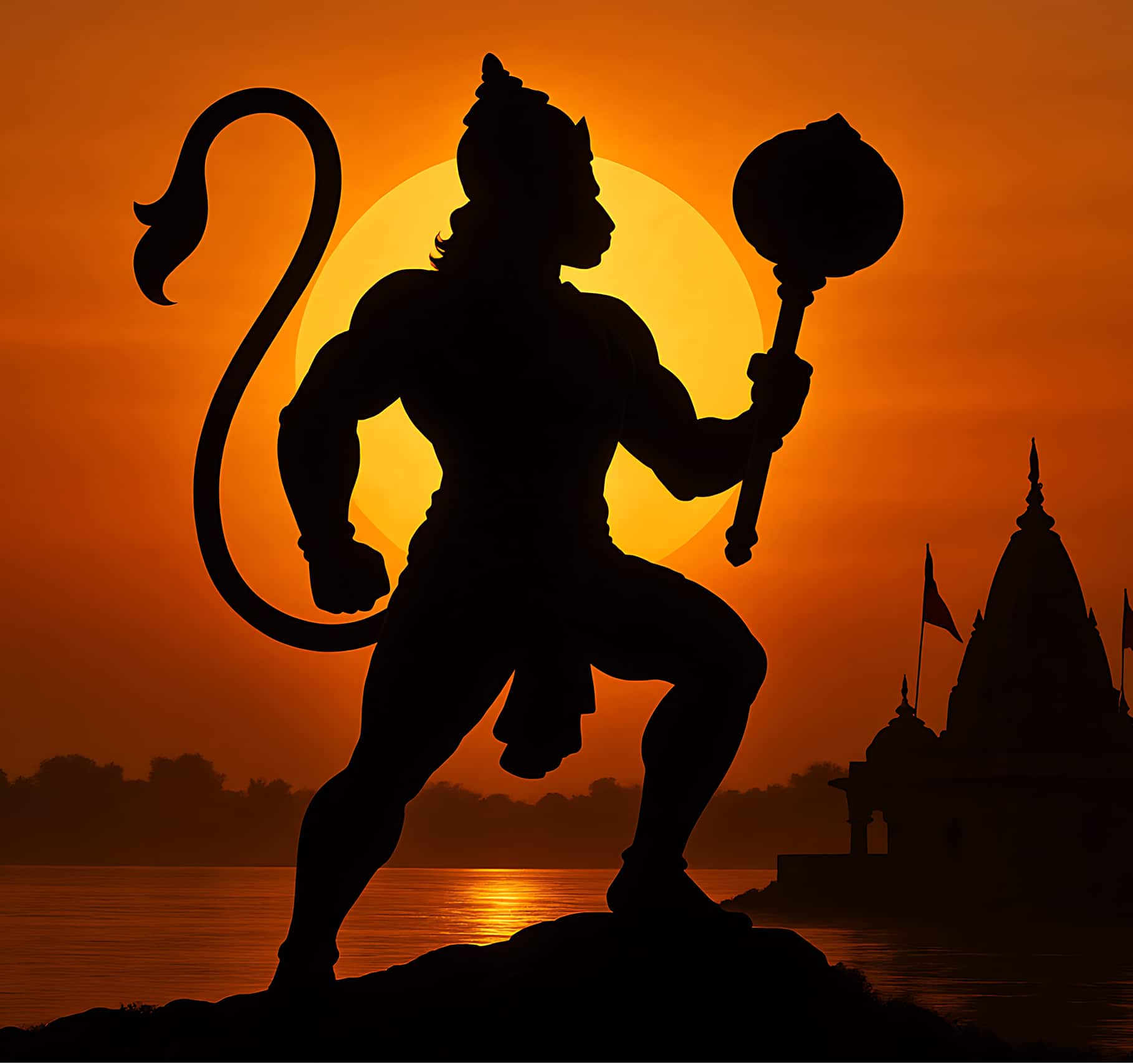
Bala Hanuman Temple
Exploration time: 30-45 minutes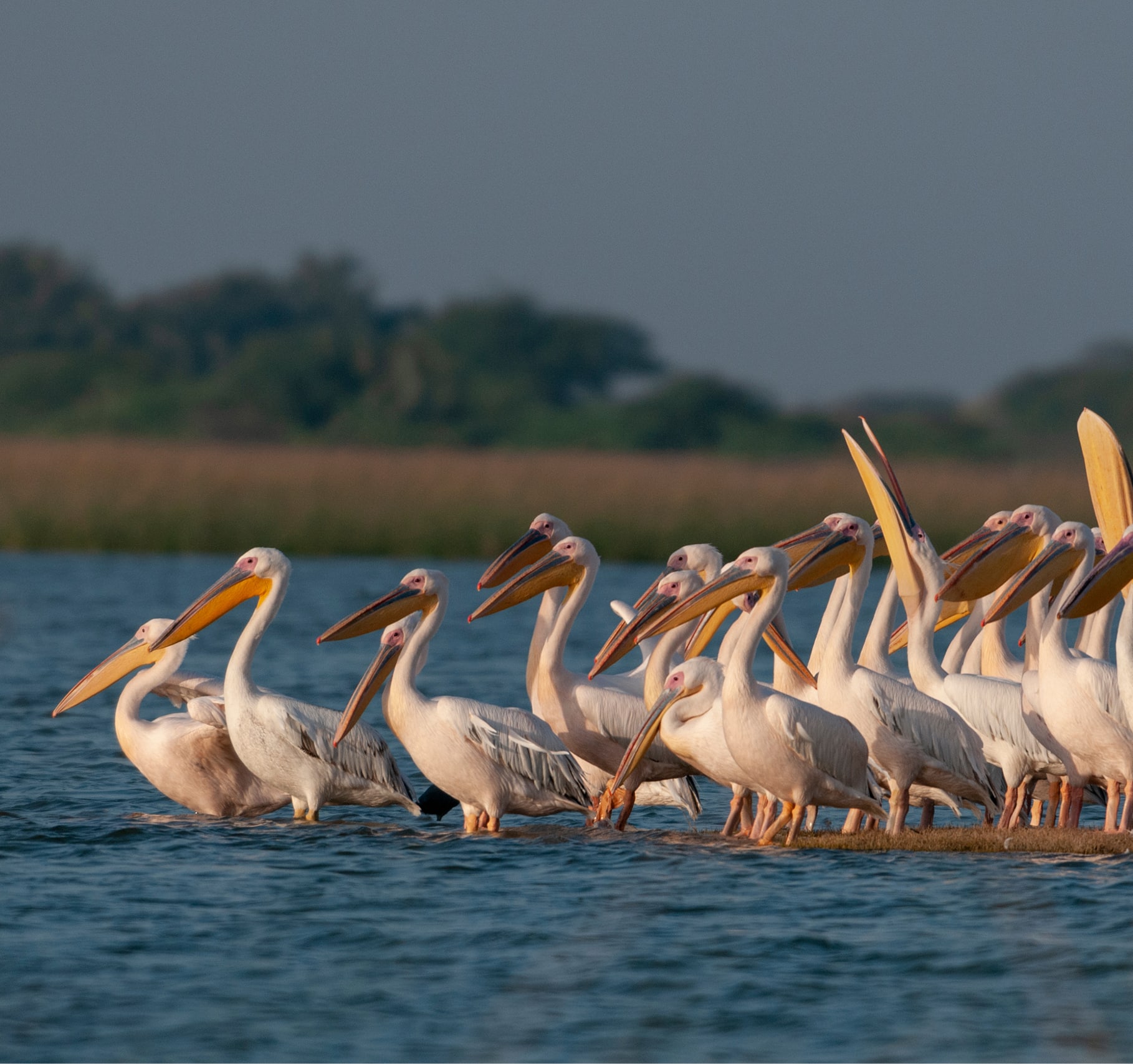
Khijadiya Bird Sanctuary
Exploration time: 2-3 hours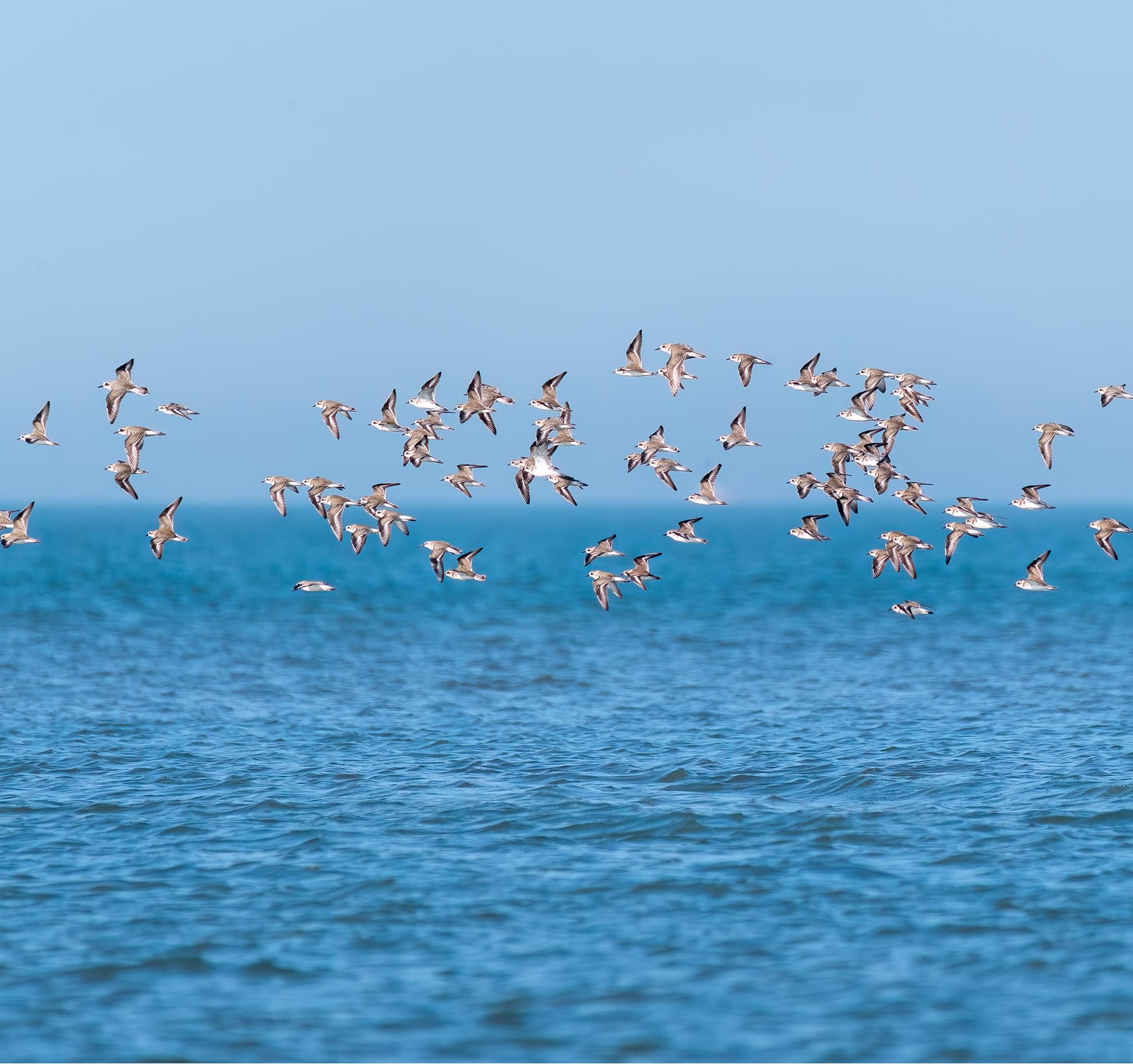
Marine National Park, Narara (near Jamnagar)
Exploration time: Half day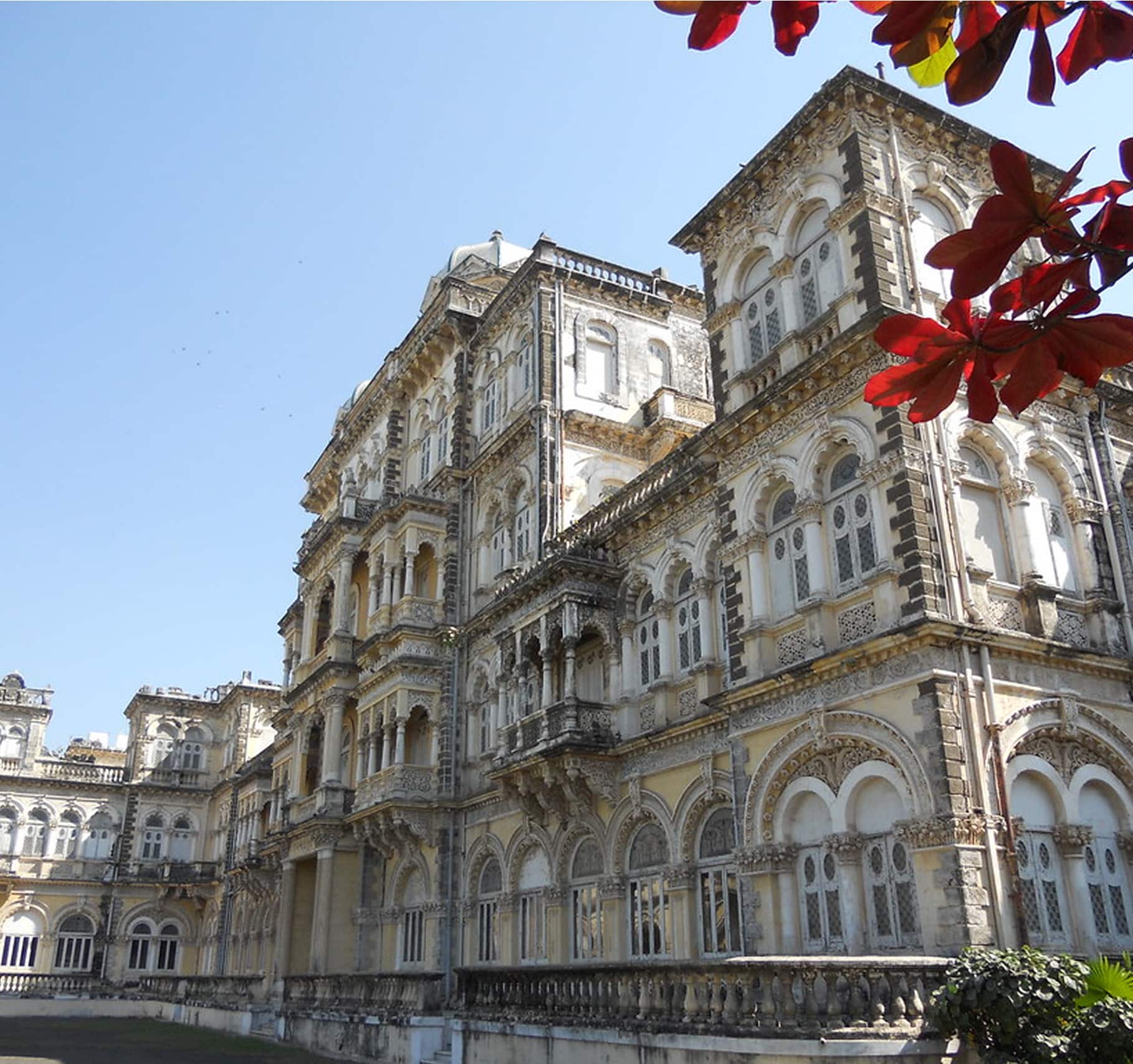
Pratap Vilas Palace
Exploration time: 30-45 minutes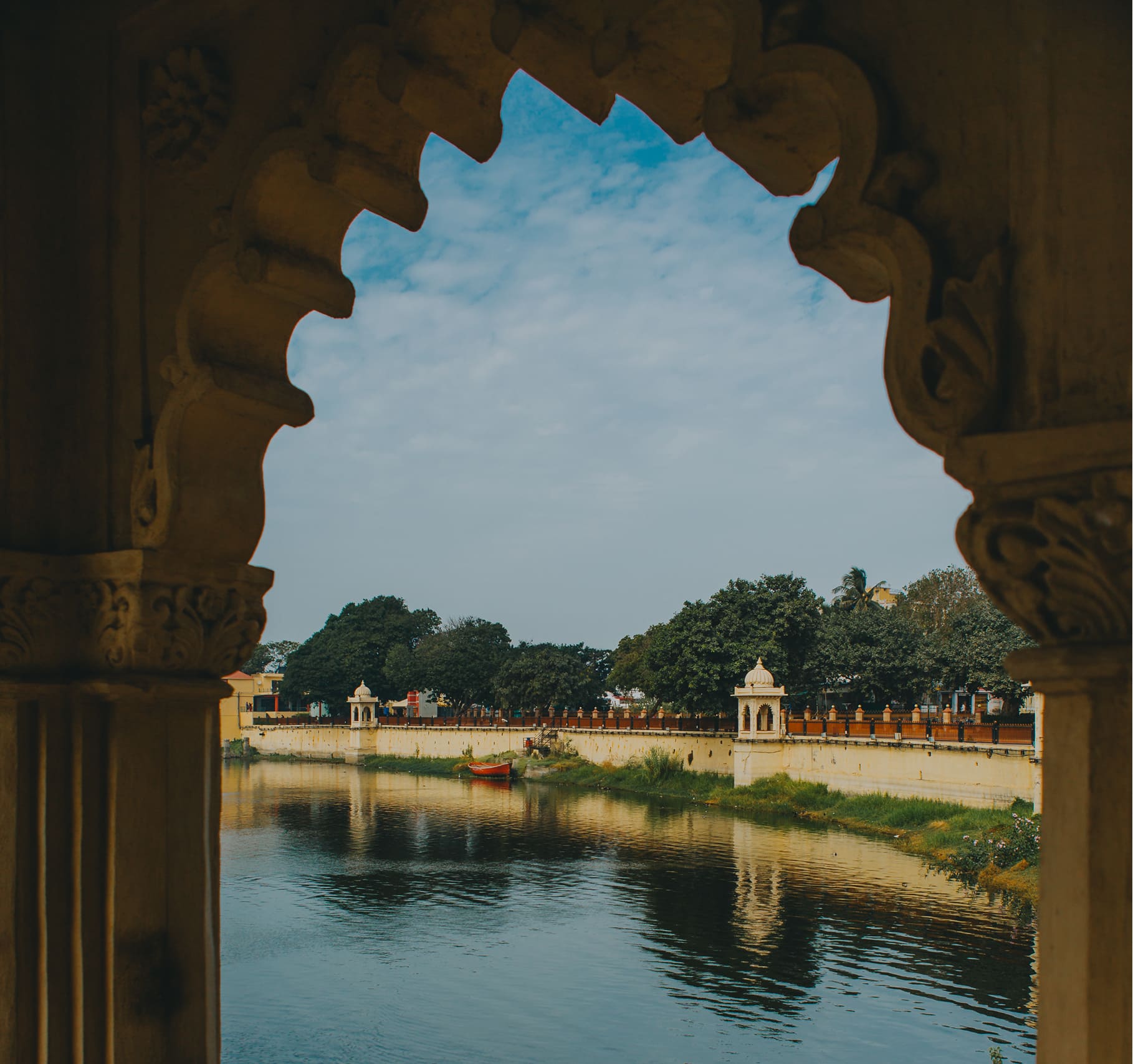
Ranmal Lake
Exploration time: 45 minutes to 1 hour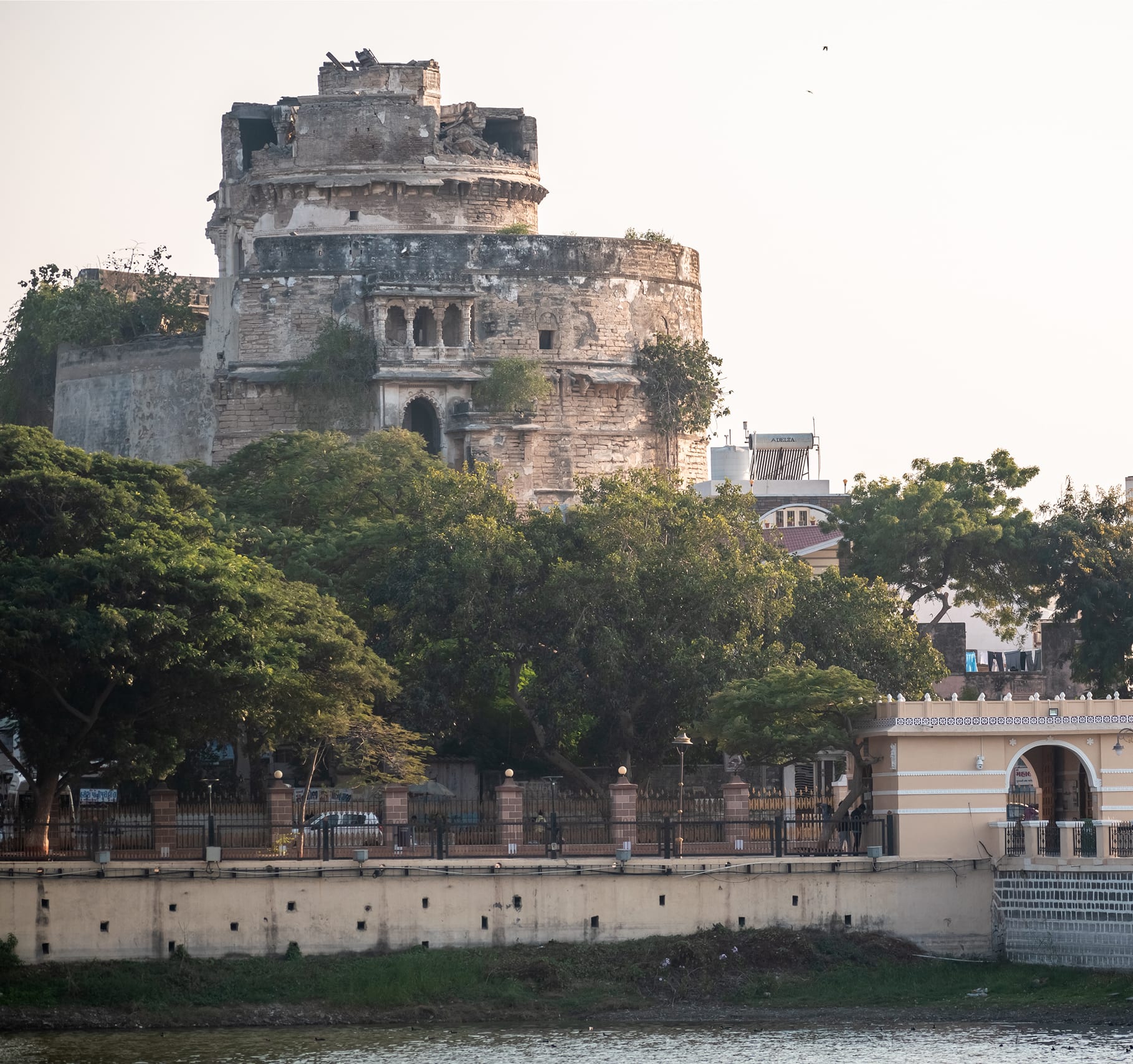
Bhujio Kotho
Jamnagar, GujaratView All 7 places
Places to eat in Jamnagar
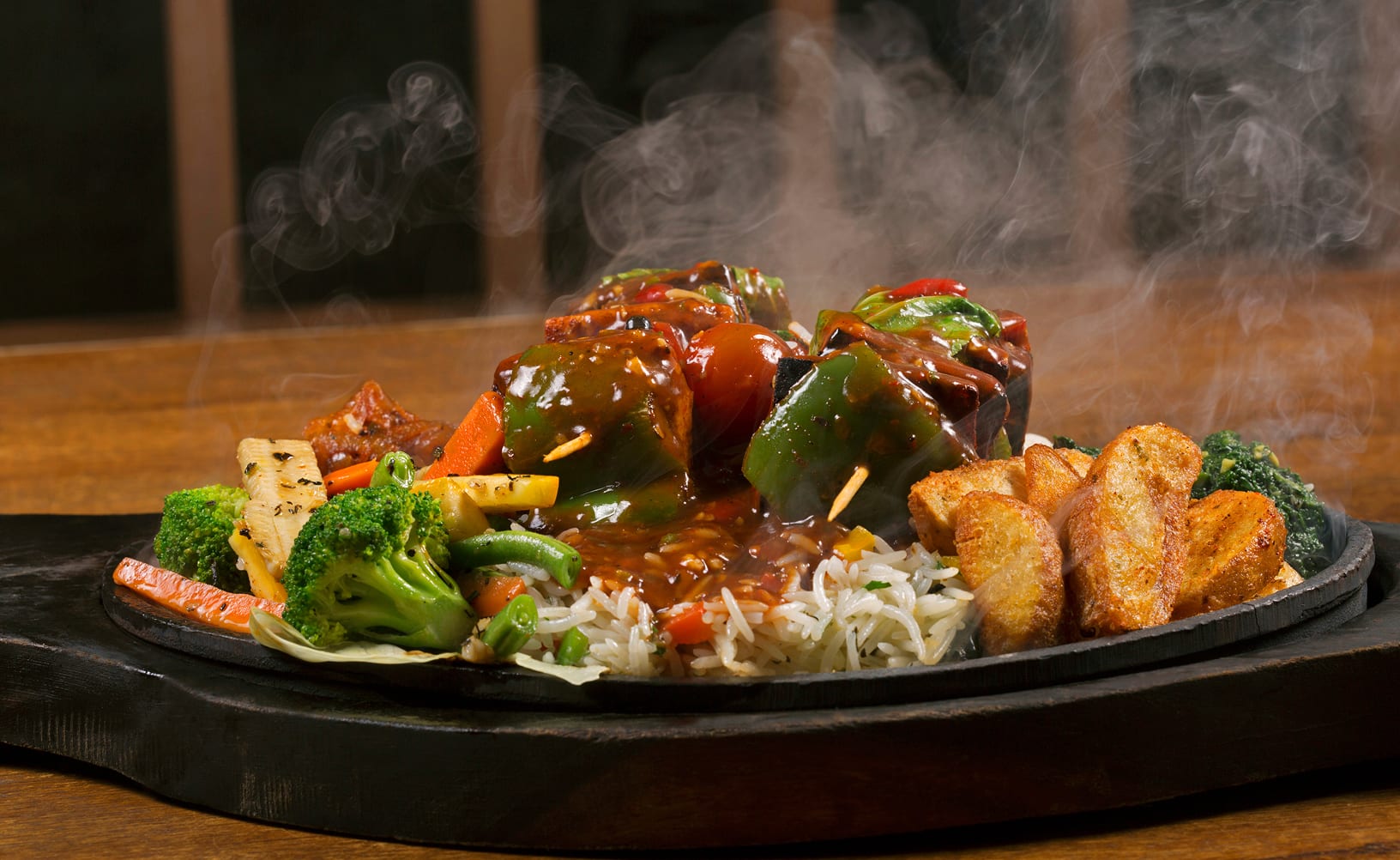
360 The Rooftop Restaurant
360 The Rooftop Restaurant is an old restaurant, very well known for its panoramic view and good food. Therefore, it is suitable for family dinners and occasions. The eclectic menu of the restaurant ranges between Gujarati, North Indian, and contemporary, bringing together traditional flavours with modern presentation.
Popular dishes: Gujarati Thali, Paneer Butter Masala, Dal Tadka.
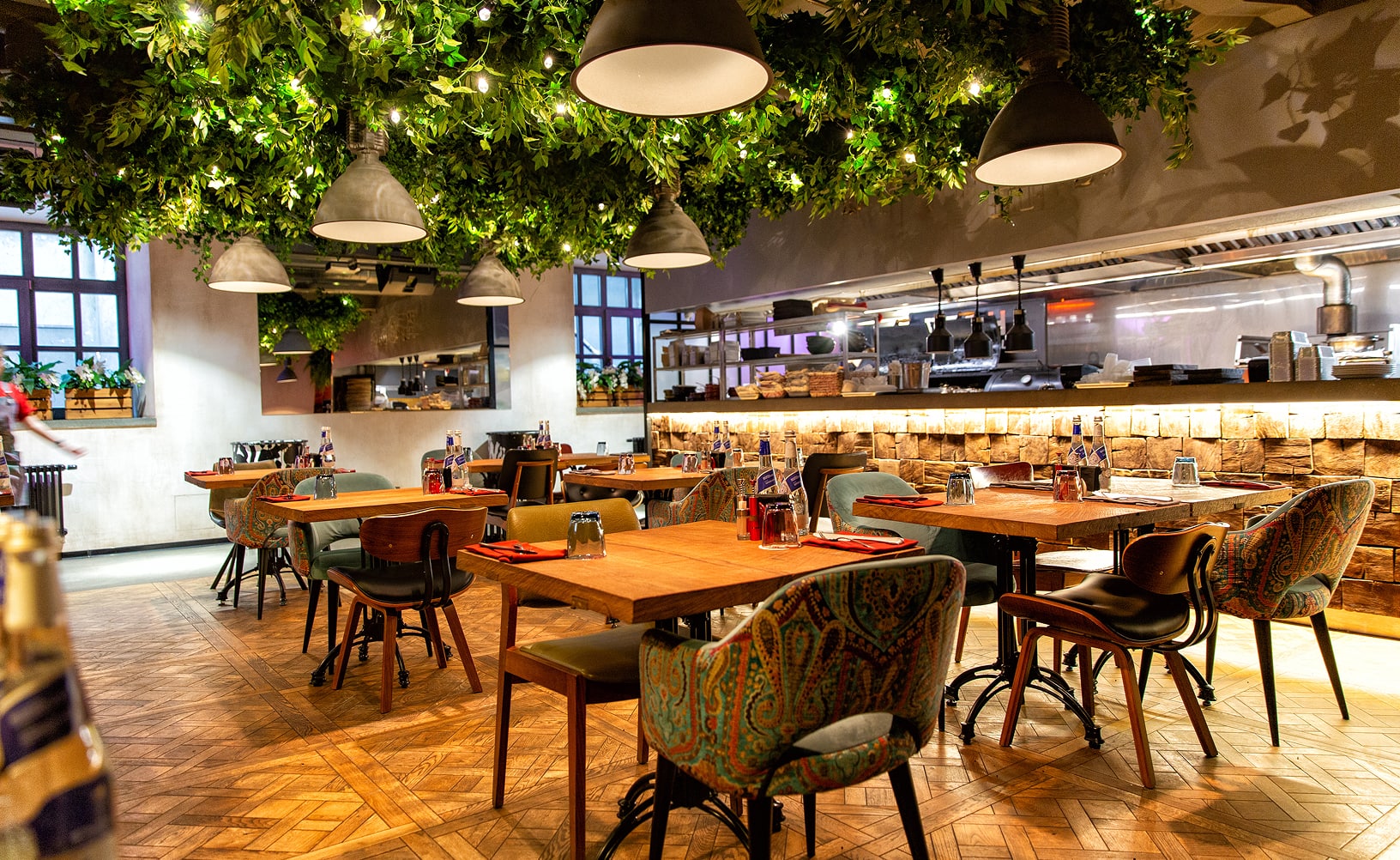
The Bethak Restaurant & Parcel Point
Bethak Restaurant & Parcel Point stands among the centrally located eateries of the city, offering vegetarian dishes in a variety of curry preparations. It is highly popular for its consistent quality and friendly hospitality, thus drawing large crowds of both local diners and visitors.
Popular dishes: Paneer Butter Masala, Tandoori Roti, Vegetable Biryani
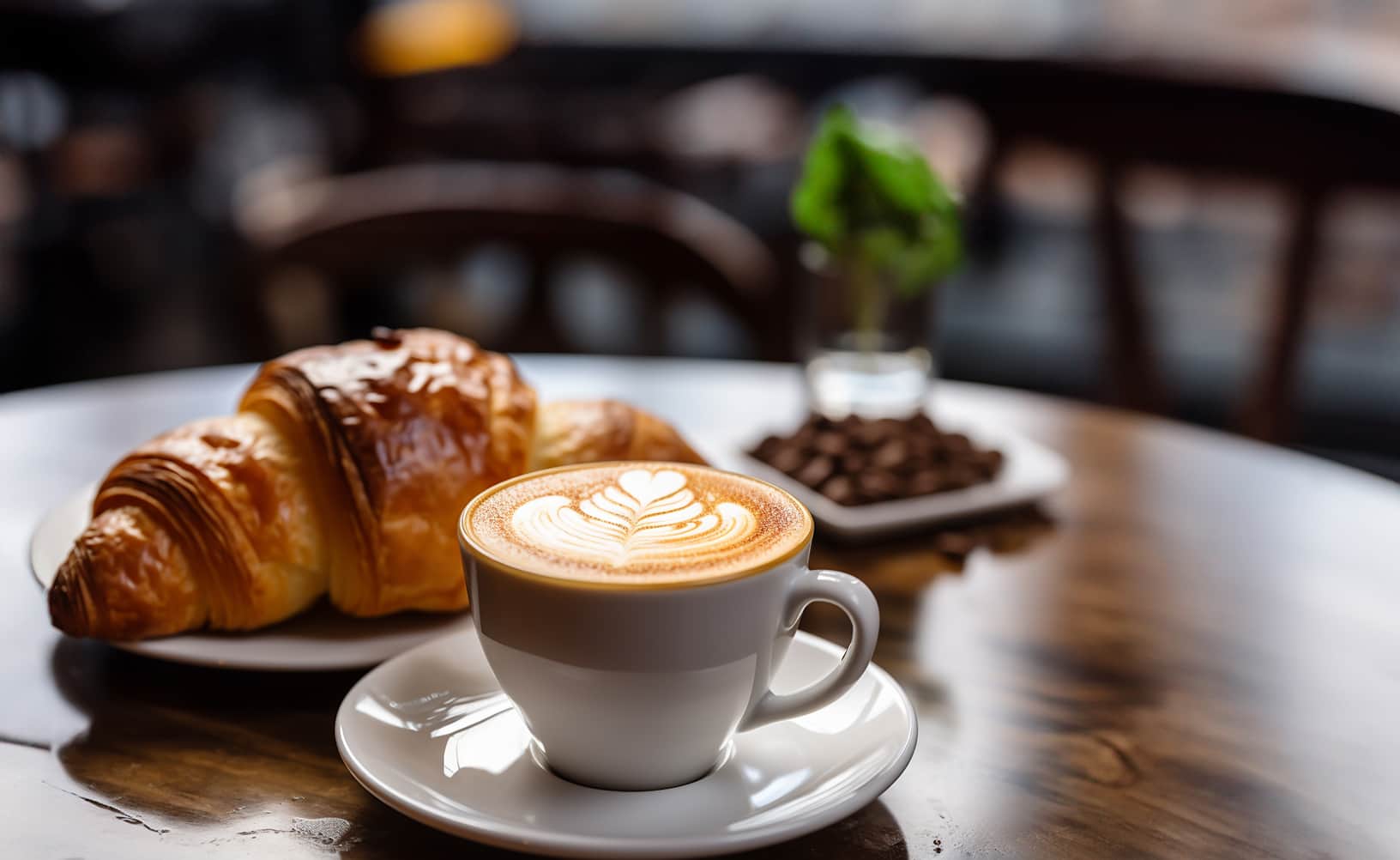
Special's Restro & Cafe
Special’s Restro & Cafe offers a blend of North Indian cuisine in an easygoing atmosphere; hence, it is highly suitable for casual meals with friends and family. Various flavours and economic rates make this restaurant fairly popular in the city.
Popular dishes: Paneer Butter Masala, Paneer Tikka, Mixed Vegetable Platter
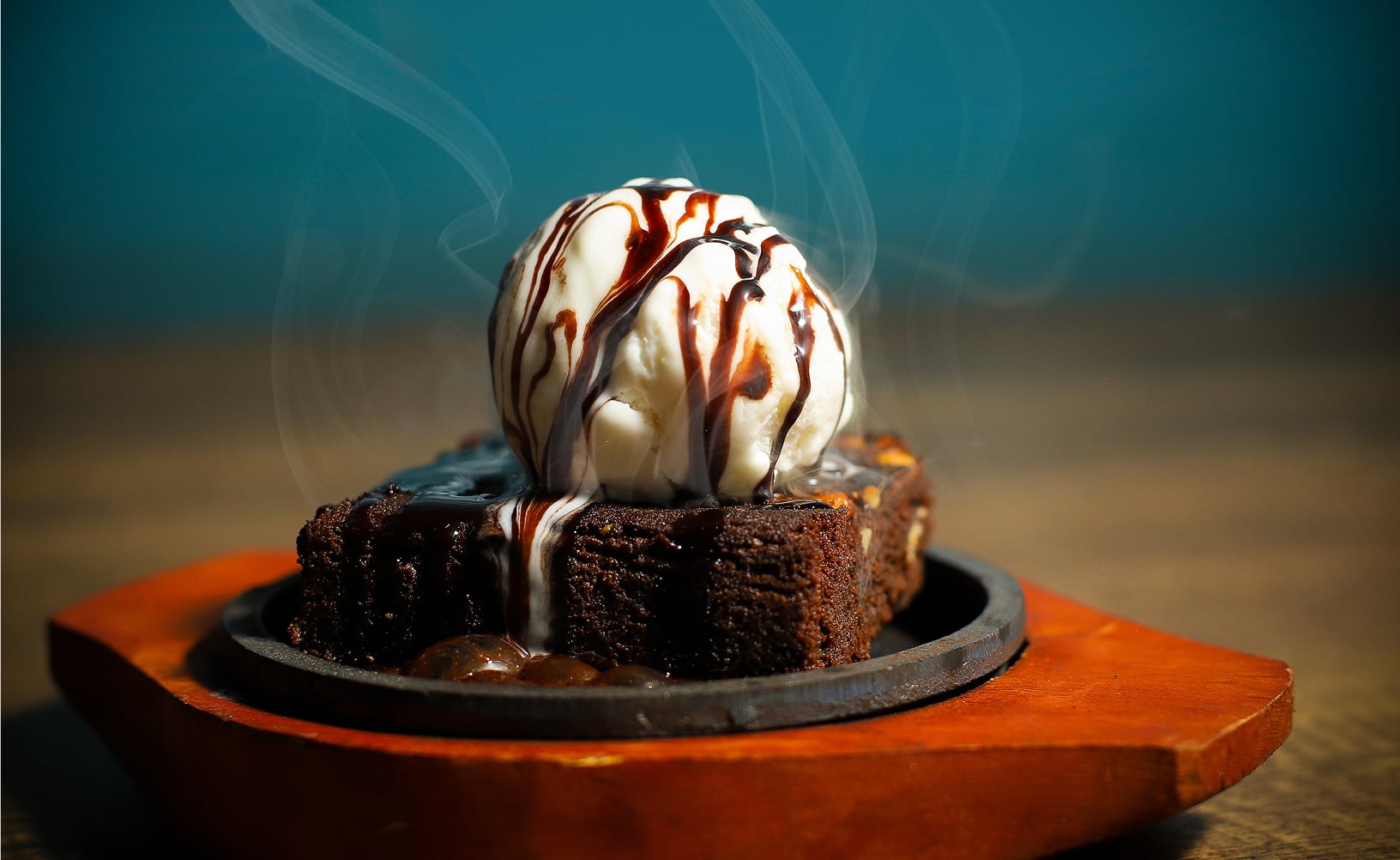
Size Zero Roof Top Lounge
Size Zero Roof Top Lounge is a popular rooftop restaurant, presenting a laid-back ambience along with a multi-item menu comprising snacks, main courses, and drinks. It's preferred for late-afternoon and evening social gatherings.
Popular dishes: Grilled Paneer, Vegetable Platter, Mocktails
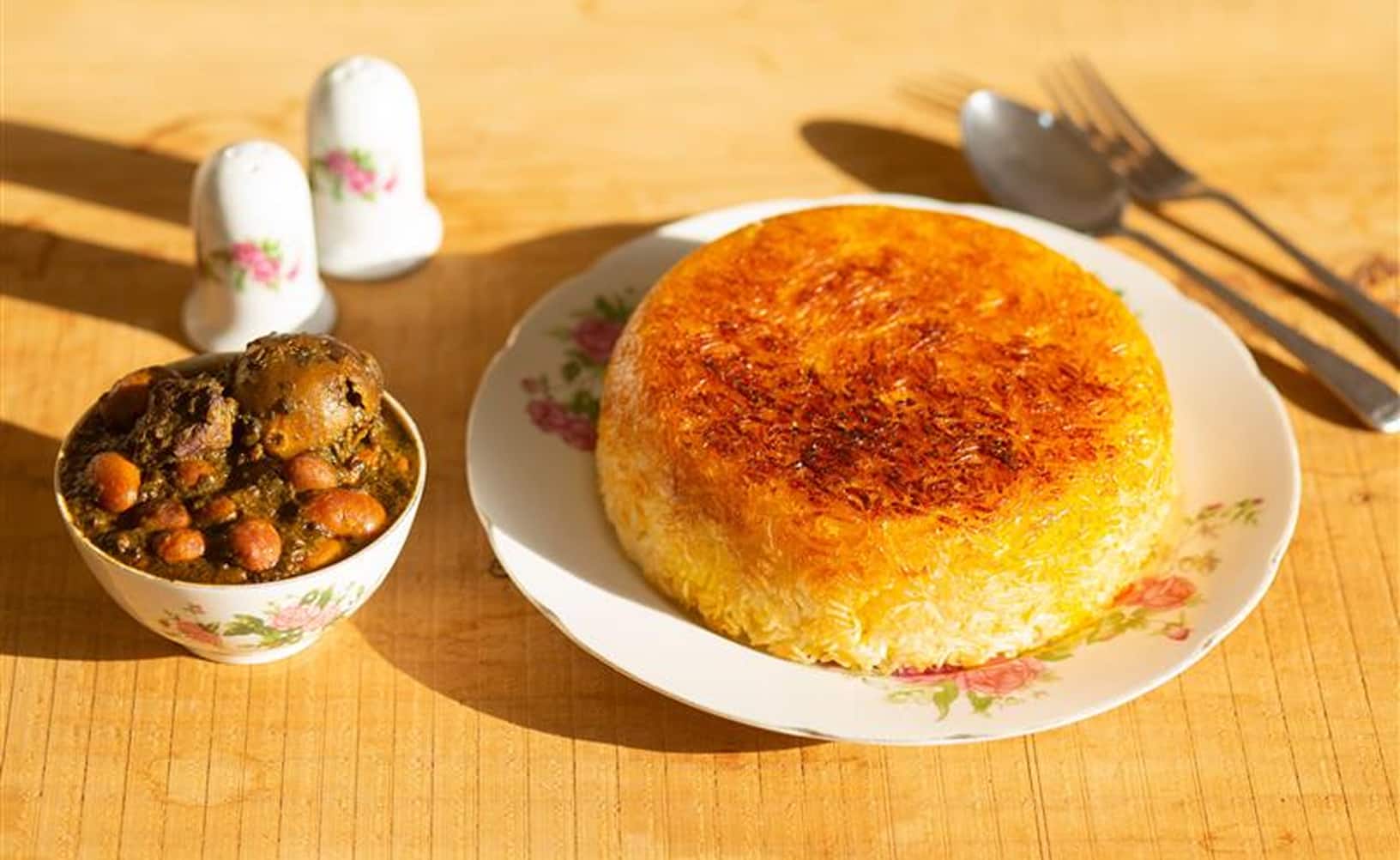
PERSIA Restaurant
PERSIA Restaurant is known for its vegetarian offerings, especially amongst locals who relish well-spiced, flavour-laden preparations. The restaurant focuses on grilled items and curry-based dishes that showcase rich regional tastes.
Popular dishes: Grilled Vegetables, Paneer Curry, Paneer Seekh Kebab
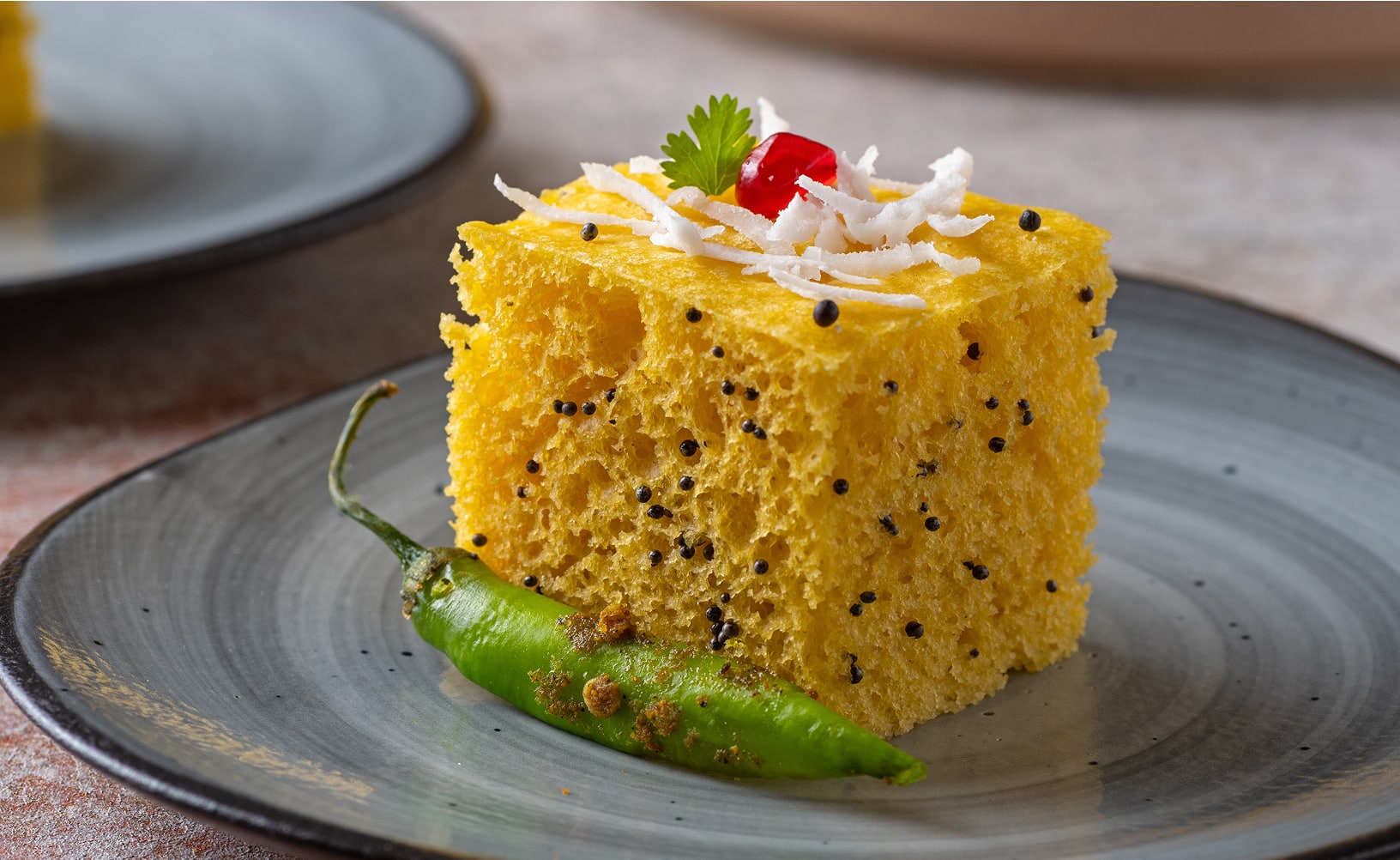
Highway 10 Food Court
Highway 10 Food Court is a busy, family-friendly destination situated near the Rajkot bypass. It houses several food stalls and counters serving a number of Indian and fast-casual foods, hence ideal for travellers and locals alike.
Popular dishes: Pav Bhaji, North Indian Thali, Mixed Grill
Things To Do in Jamnagar
Bird Sanctuaries
Historic Palace
Kathiyawadi Cuisine
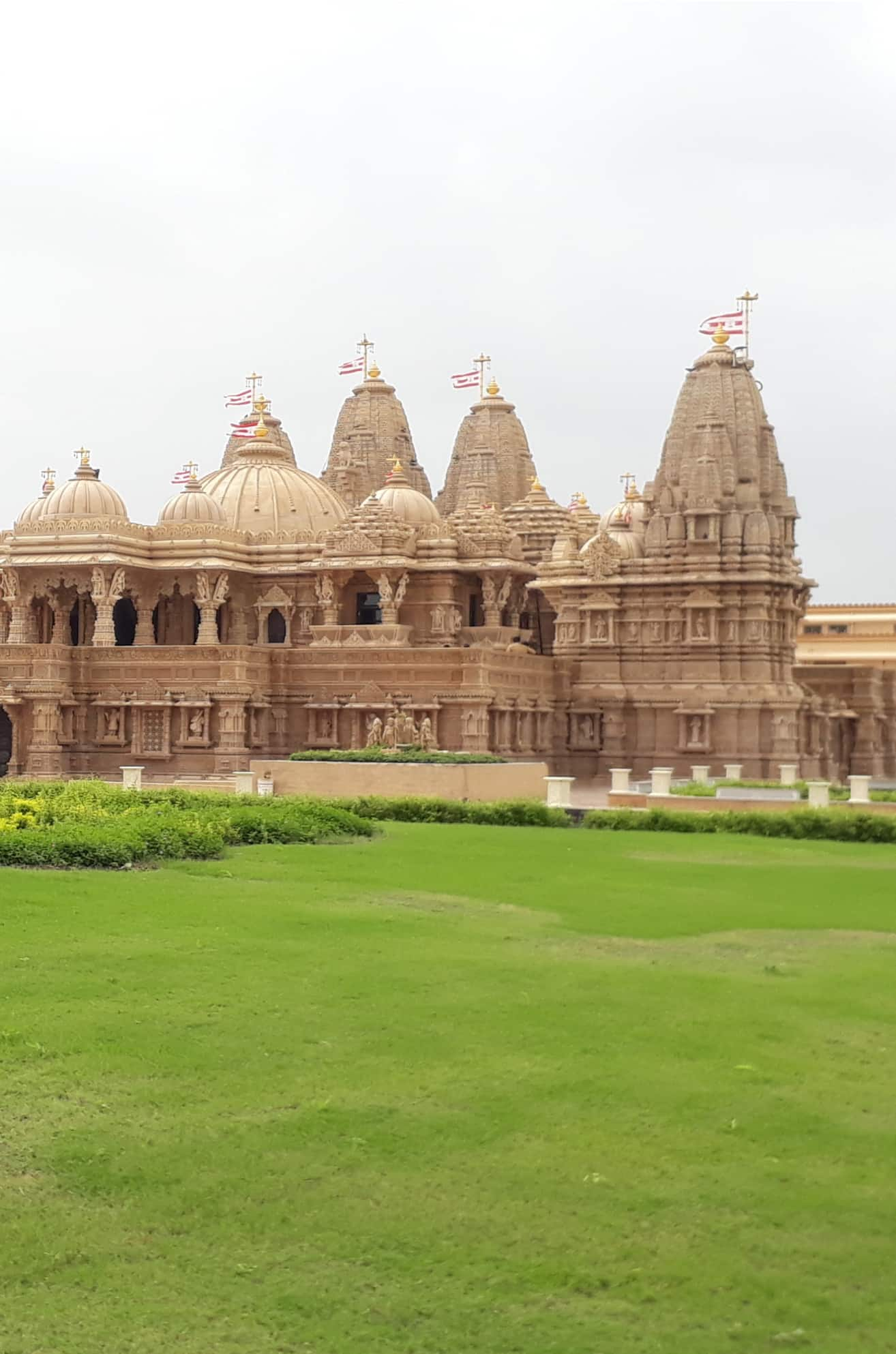
Popular Temples
Best time to visit Jamnagar
Most commonly spoken languages in Jamnagar
Shopping places in Jamnagar
Shopping in Jamnagar is a vibrant affair, with traditional bazaars blending with emerging retail hubs. Artisanal crafts, intricate textiles, silver jewellery, and locally made products are also noted in city markets. Many lanes and commercial streets in Jamnagar bear testimony to the everyday trade and cultural traditions of the region, offering visitors the chance to explore authentic local products along with contemporary retail options. Book flights to Jamnagar, find lowest fare IndiGo flights to Jamnagar, and explore convenient Delhi to Jamnagar flights, Mumbai to Jamnagar flights, and Ahmedabad to Jamnagar flights to experience the city’s rich shopping culture.
- Chandi Bazaar: Chandi Bazaar is one of the most iconic traditional markets of this city, lying near the old city area. It is especially famous for its silver and gold jewellery, which includes intricately designed ornaments created by local craftsmen. Apart from jewellery, it has textiles, handicrafts, and traditional Gujarati items that are a thrill for both shoppers and tourists alike.
- Willington Crescent Market: Located close to the historic Darbargadh Palace, Willington Crescent is an ancient marketplace famous for its crescent shape and lively trading fervour. The market is especially well-liked for Bandhani fabrics or tie-and-dye pieces, handicrafts, art pieces, and regional products that reflect the culture of Jamnagar.
- Mahavir Bandhani: Mahavir Bandhani is a committed shopping hub for high-quality Bandhani textile products such as sarees, dress materials, and traditional clothes. Decades of experience in the textile trade have led this marketplace to people looking for authentic regional fabrics and traditional designs from the experienced vendors themselves.
- Khambhalia Gate Market: The Khambhalia Gate Market is a local market that promotes every form of purchasing, from clothes and home goods to handicrafts and souvenirs. The many lanes and other stalls make it one of the most often-visited street markets for everyone who requires good deals on local items.
- Bhidbhanjan Market: Bhidbhanjan Market deals in traditional Gujarati attire, ornaments, and handicrafts. Buyers get colourful textiles comprising chaniya cholis, embroidery stuff on dupattas, and traditional wear, along with pottery, woodwork, and cultural artefacts that are symbolic of the region's artistic heritage.
- Gokulnathji Market: This is a popular marketplace for spices, perfumes, dry fruits, and aromatic products. From local produce to traditional flavours, the vicinity offers an experience that makes it quite befitting for many of its touristy clients seeking regional ingredients and scents.
Festivals in Jamnagar
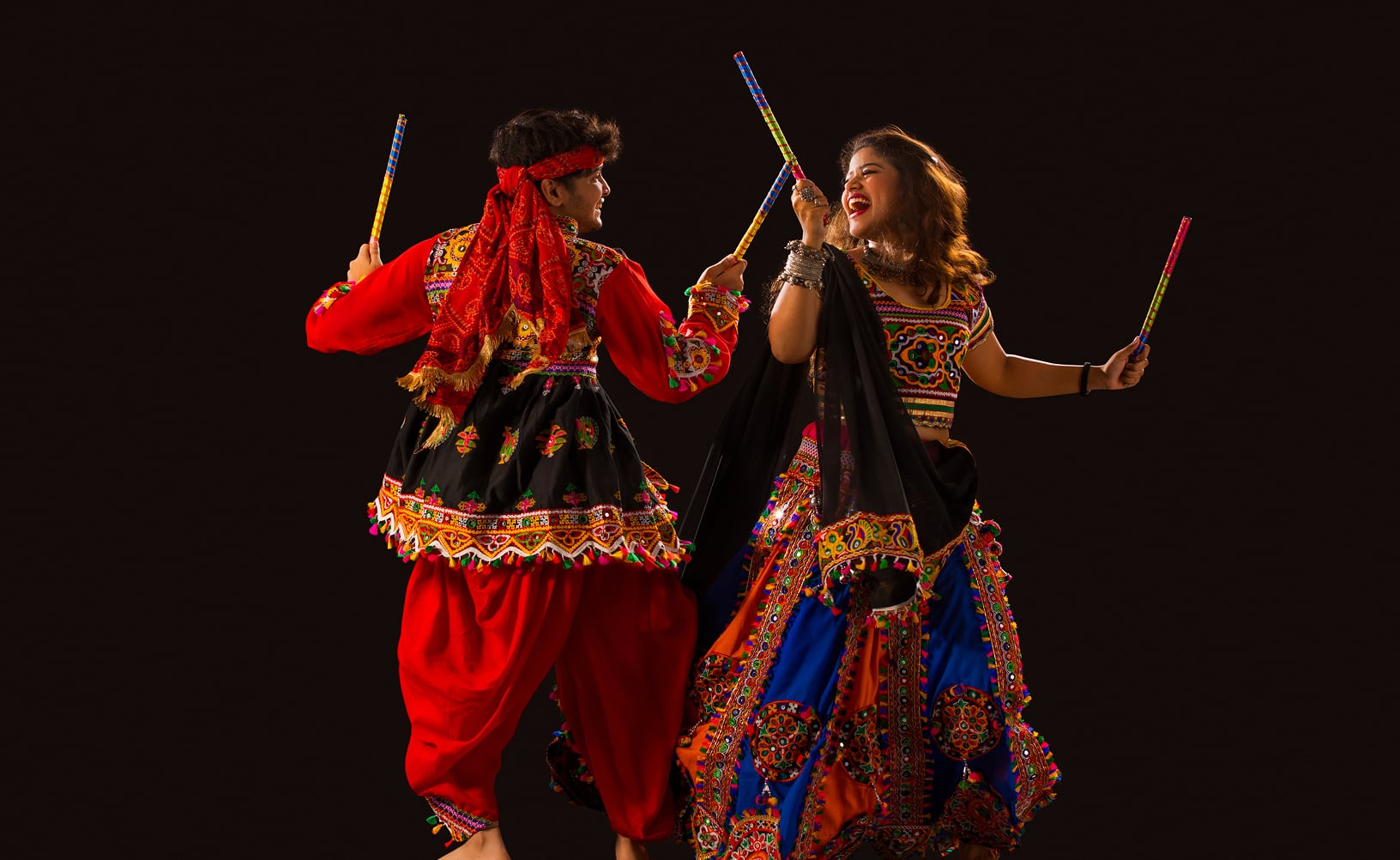
Navratri
Navratri is celebrated with devotion and cultural fervour throughout Jamnagar. It honours Goddess Durga, a divine incarnation of Shakti, with several traditional dance performances at community grounds and public venues with Garba and Dandiya Raas.
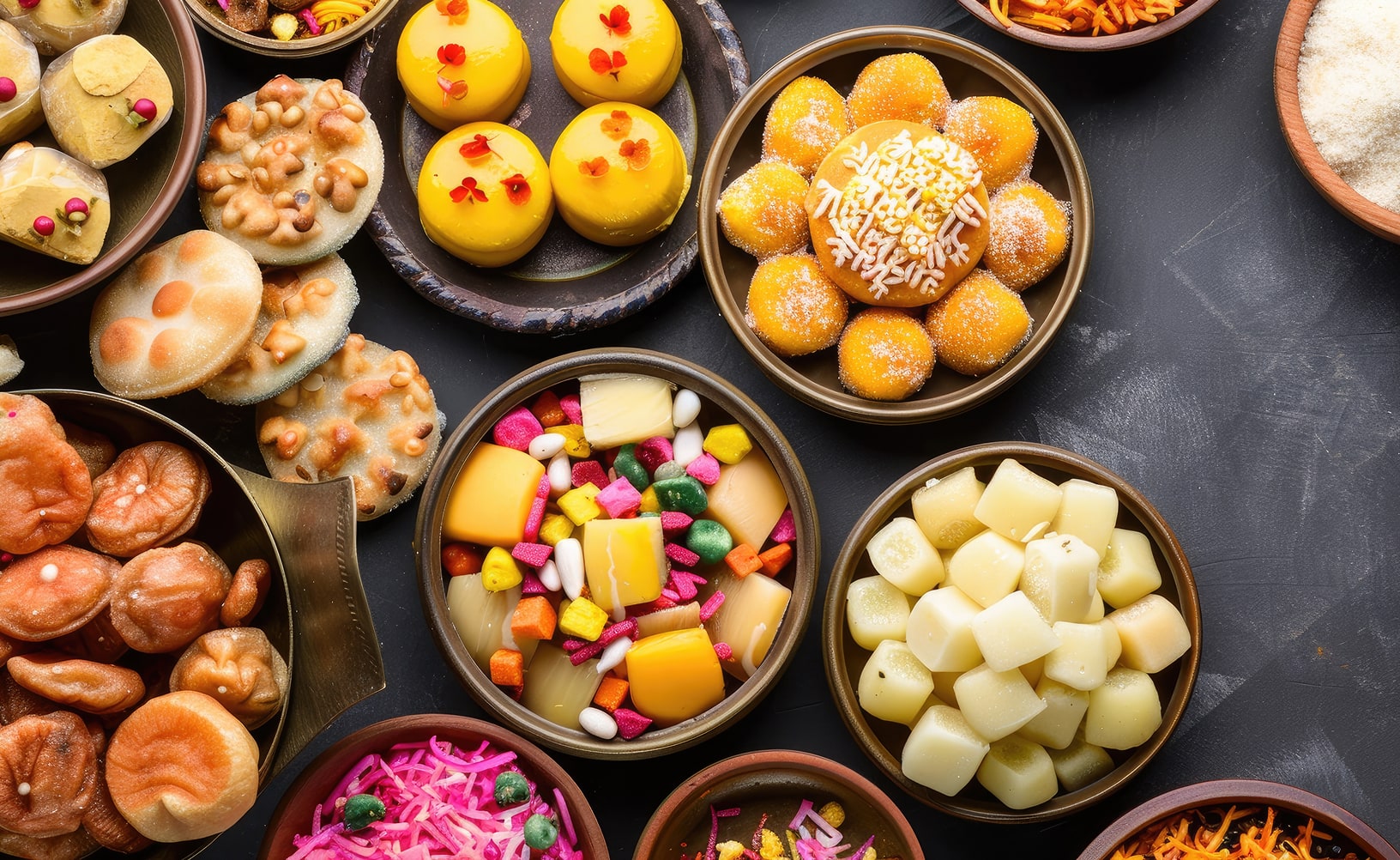
Diwali
Diwali, or the Festival of Lights, is celebrated with great fanfare at Jamnagar, with houses and markets sizzling with lights, along with various other religious ceremonies. Families observe related rituals, light lamps, and join in community celebrations that bring out the spirit of triumph over darkness.
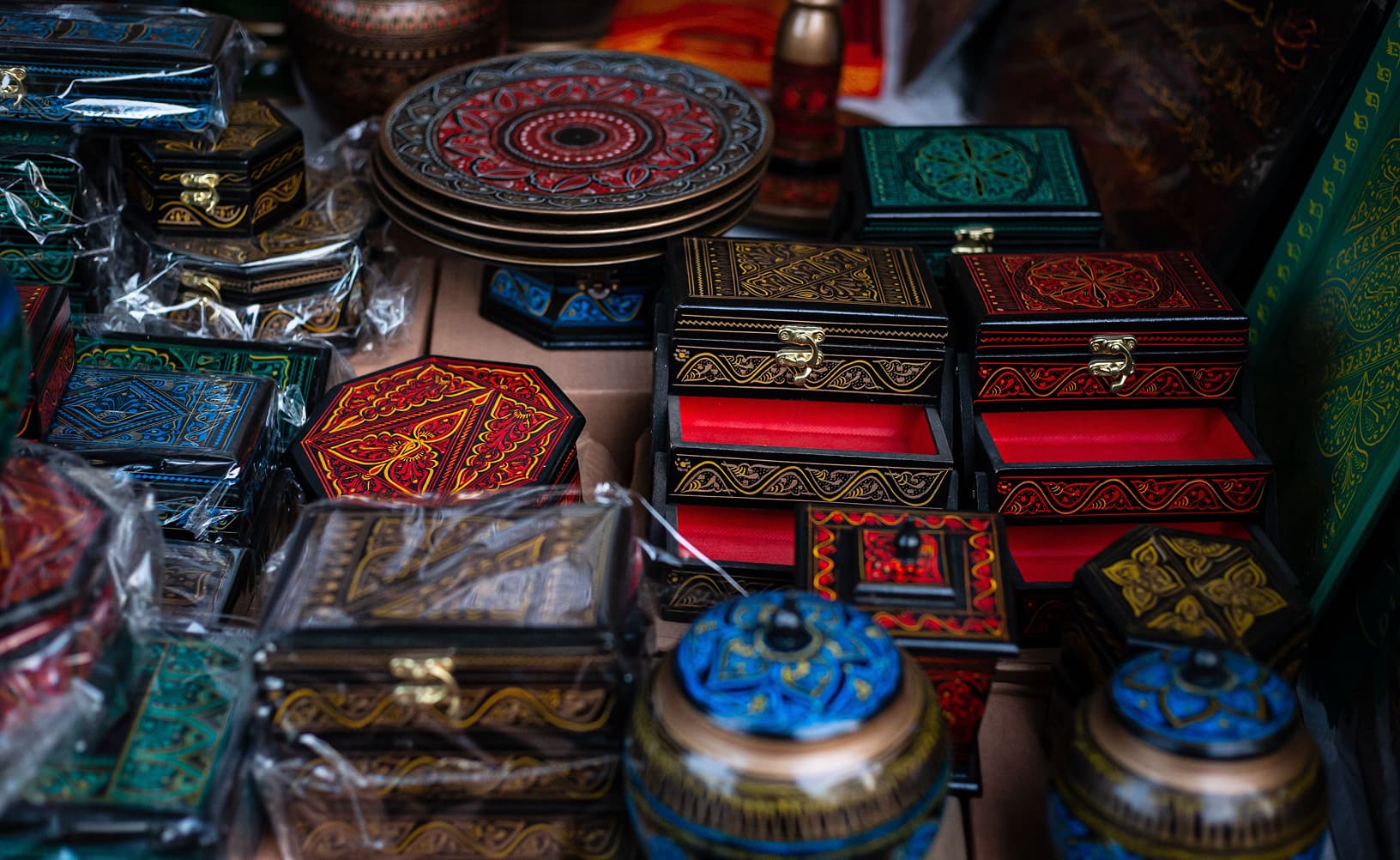
Jamnagar Lok Mela
Jamnagar Lok Mela, also known as Shravani Lok Mela, is one of the most major cultural fairs in the city. Held every year from the day of Janmashtami till the end of the Shravan month, this festival draws hundreds of visitors. Rides, food stalls, cultural performances, and exhibitions of regional art and crafts are part of the experience.
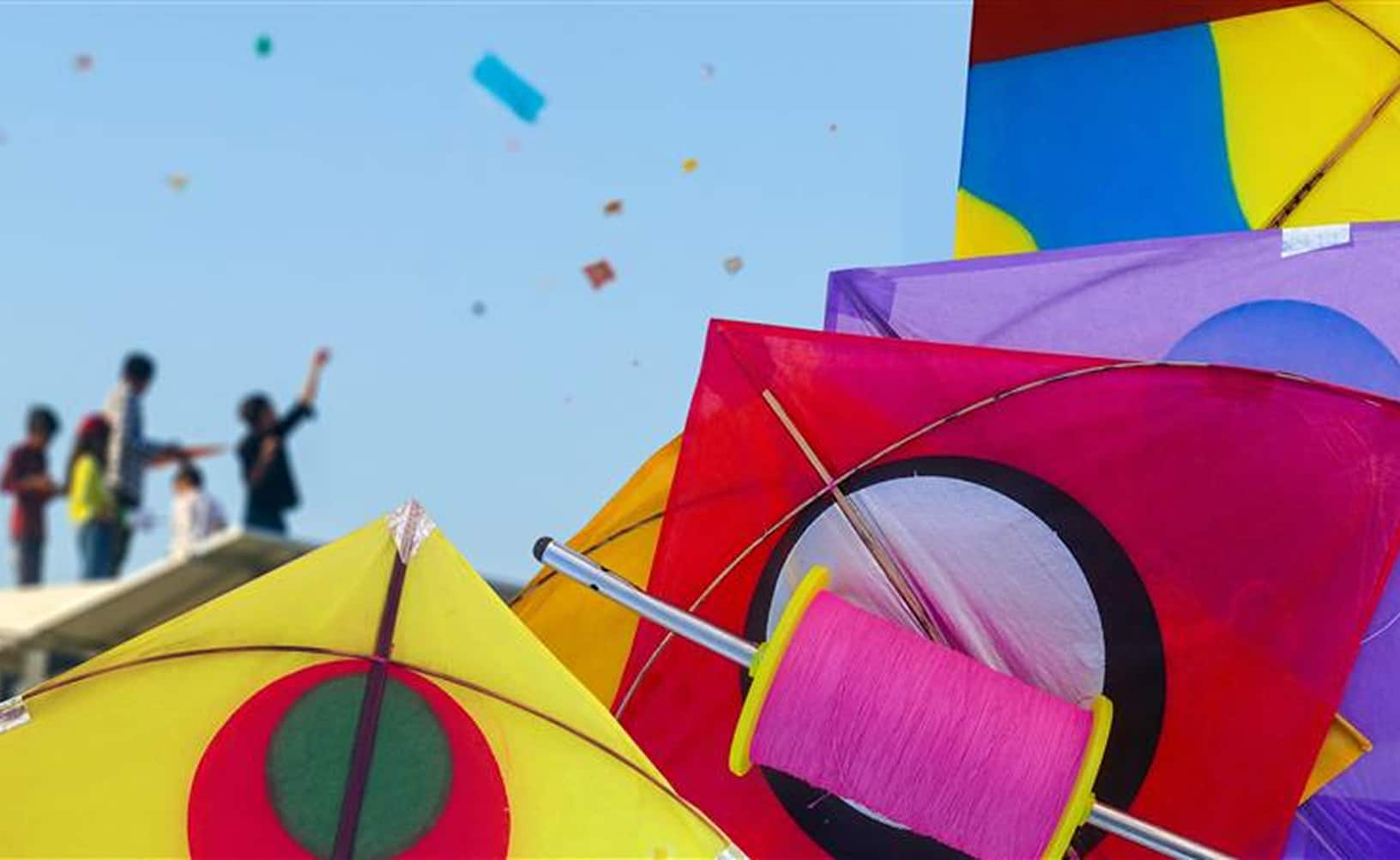
Makar Sankranti / Kite Festival
In Jamnagar, Makar Sankranti is celebrated with zeal. The well-known kite festival, where one can see kites of all colours dotting the winter sky, is among the major activities. The event consists of traditional foods and cultural undertones, making it a highly notable seasonal highlight.
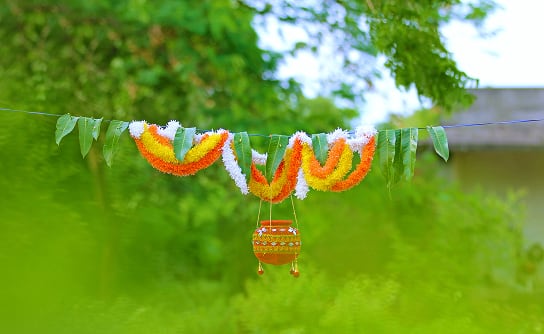
Janmashtami
In the city, Janmashtami ushers in the birthday of Lord Krishna with prayers, songs of devotion, and special temple rituals. This is a religiously important festival and attracts several devotees to big temples, where special ceremonies are arranged.
More reasons to visit Jamnagar
Besides the famous landmarks and cultural attractions, Jamnagar offers ecological diversity, traditional heritage, and coastal Gujarat’s vibrant culture. These experiences allow visitors a deeper peek into the heritage, environment, and way of life of this region. Visiting Jamnagar is enriching and distinctive.
- Witness mangrove ecosystem and salt pans: Jamnagar is proximate to extensive stretches of mangrove forests and salt pans, especially around areas of the Marine National Park and along the coastal fringes. This is a landscape of delicate physical balance that reflects land versus sea and the staunchly followed tradition of salt production, which has honed human livelihoods over generations. Guided visits help visitors understand the ecological importance of mangroves and the seasonal nature of salt farming.
- Visiting traditional Bandhani workshops: Jamnagar is synonymous with Bandhani or tie-and-dye textile craftsmanship. Visitors can see this intricate dyeing process at a number of small workshops and family-run units that dot the city. Such visits show the volume of skill, patience, and cultural ethos behind the vibrant patterns that find their way across India and other countries of the world.
- Observe migratory birds beyond main sanctuaries: Along with Khijadiya Bird Sanctuary, there are a number of wetlands and water bodies around Jamnagar that attract migratory birds during winter months. Quite apart from the popular tourist circuits, these quieter venues can be visited with the help of local naturalists for some quiet bird-watching, photography, and nature study.
- Discover Jamnagar’s Princely-era urban planning: Walks through the older areas near Darbargadh and Willington Crescent still show remnants of street planning from old times, colonial buildings, and civic buildings of the princely state period. These areas give a glimpse of the architectural understanding of the historical growth and governance of Jamnagar.
- Savour local Gujarati Home-style cuisine: Other than restaurants, Jamnagar has the scope for home-style Gujarati meals to be arranged through community kitchens or religious places. These provide flavours of the season, with local ingredients and cooked differently from commercial dining.
- Enjoy quiet sunsets along less-visited shores: Several stretches of the Jamnagar coastline are tranquil compared to the more popular beaches in Gujarat. These places can be used for quiet evening walks, photography, and observation of the colour changes in the horizon of the Arabian Sea without any crowd around.
