

- Island excursions: Take a boat trip to nearby islands and marine reserves such as Bongoyo and Mbudya.
- Beach outings: Spend time at the city's beaches and coastal recreation areas.
- Snorkelling: Explore the marine environment around Bongoyo and Mbudya, subject to local conditions and applicable regulations.
- Market visits: Experience the busy commercial atmosphere of Kariakoo Market.
- Museum visits: Explore museums such as the National Museum, the House of Culture and the Village Museum.
- City tours: Visit historic buildings, monuments and other landmarks in central Dar es Salaam.
- Swahili cuisine: Try local Swahili dishes, seafood and other coastal specialities.
- Sunset cruises: Where available, take a boat excursion to experience the Indian Ocean around sunset.
- Cultural experiences: Browse local handicrafts and learn more about Tanzanian traditions, arts and crafts.

Dar es Salaam, translated as “Haven of Peace”, is Tanzania’s largest city and a major commercial and economic centre on the Indian Ocean coast. The city combines a busy port, Swahili cultural heritage, historic architecture, lively markets, beaches and a growing range of dining and entertainment options.
The coastal setting and cultural diversity of Dar es Salaam offer travellers a mix of heritage, shopping and outdoor experiences. Visitors can explore museums and historic landmarks, relax on beaches, experience local markets and enjoy Swahili and seafood cuisine. The city also provides access to nearby marine attractions, including Bongoyo and Mbudya islands.
How to reach Dar es Salaam?
- By air: Julius Nyerere International Airport (DAR) is the main airport serving Dar es Salaam. It handles both domestic and international flights. The airport has three terminals, with Terminal III serving international flights. Travellers taking flights to Tanzania should check the latest Tanzania visa and entry requirements before travelling.
- Getting around/local transport in Dar es Salaam: Taxis, ride-hailing services, buses, private cars and dala-dala minibuses are among the transport options available in the city. During peak hours, traffic may be heavy. Make extra time for trips. Nearby islands like Bongoyo and Mbudya are easily accessible by boat or organised excursions.
Places to visit
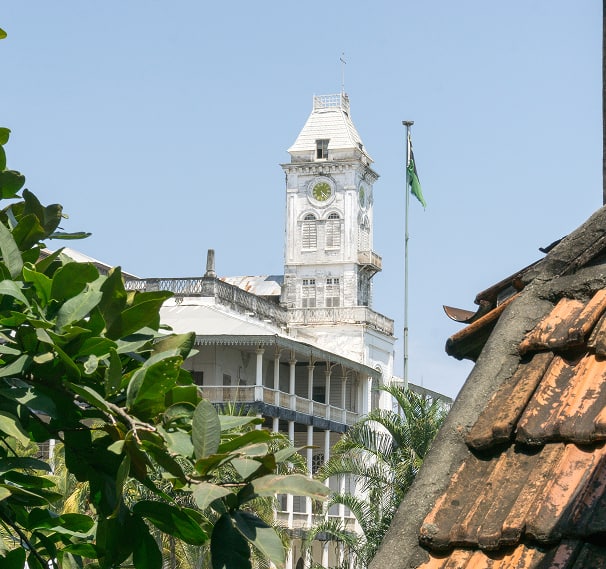
National Museum and House of Culture
The National Museum and House of Culture houses collections of archaeological, palaeontological, biological, ethnographic, historical and contemporary cultural heritage of Tanzania. Its galleries and collections introduce the country’s history, people and cultural heritage.
Exploration time: Around 2–3 hours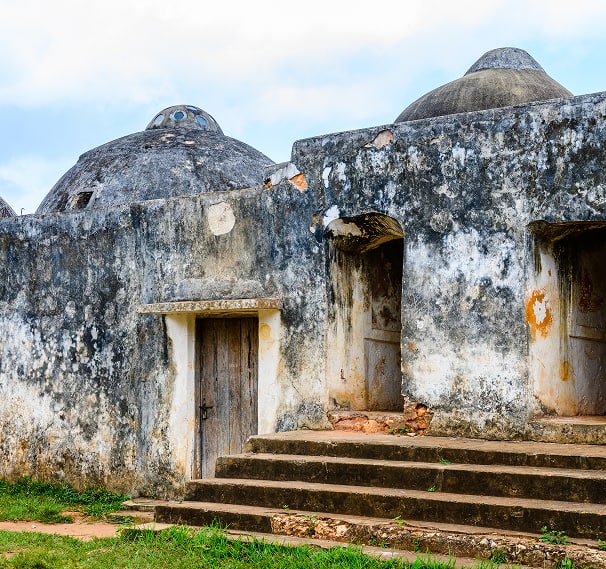
Village Museum
Exploration time: Around 2–3 hours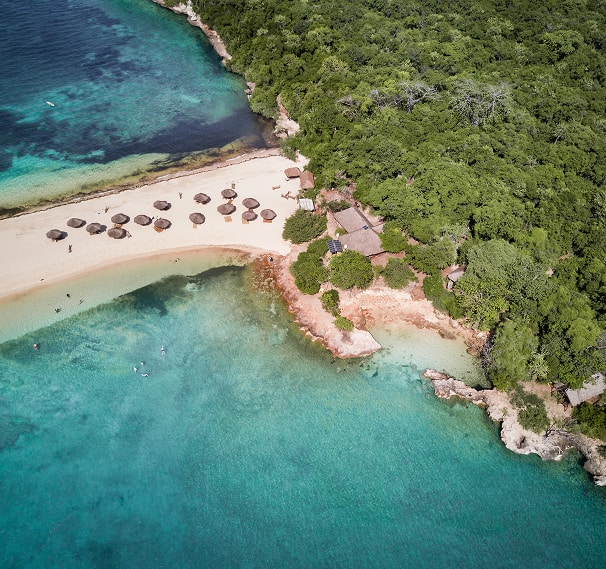
Bongoyo Island Marine Reserve
Exploration time: Around half a day to a full day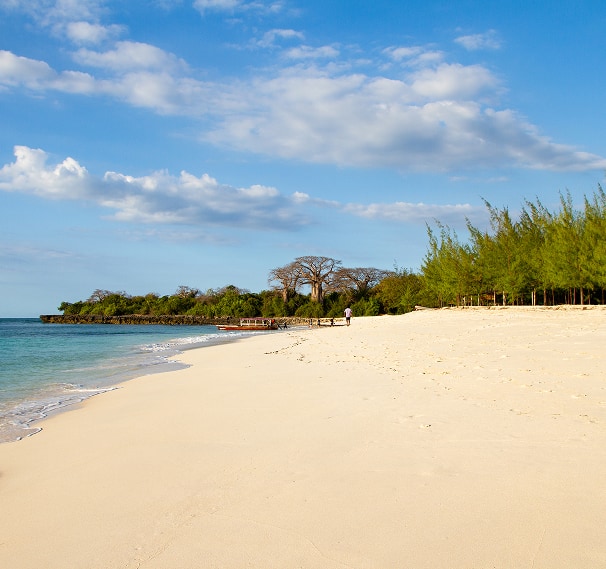
Mbudya Island
Exploration time: Around half a day to a full day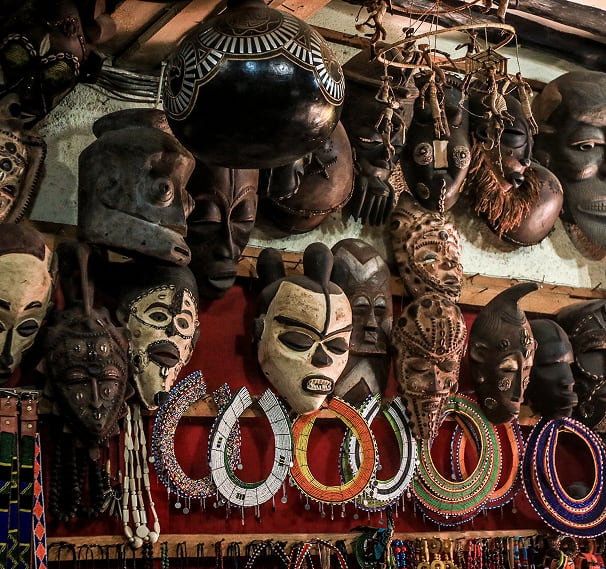
Kariakoo Market
Exploration time: Around 2–3 hours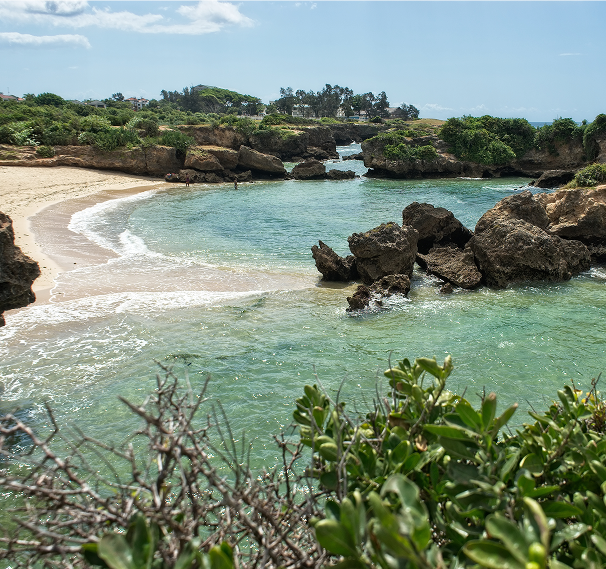
Coco Beach
Exploration time: Around 2–3 hours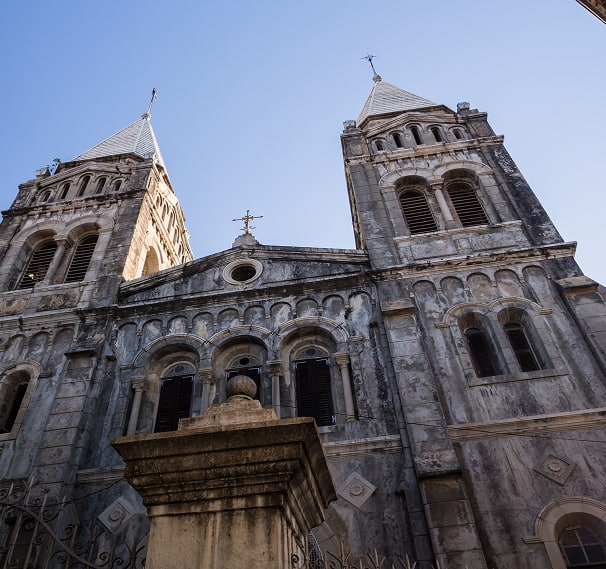
St. Joseph's Cathedral
Exploration time: Around 1–2 hours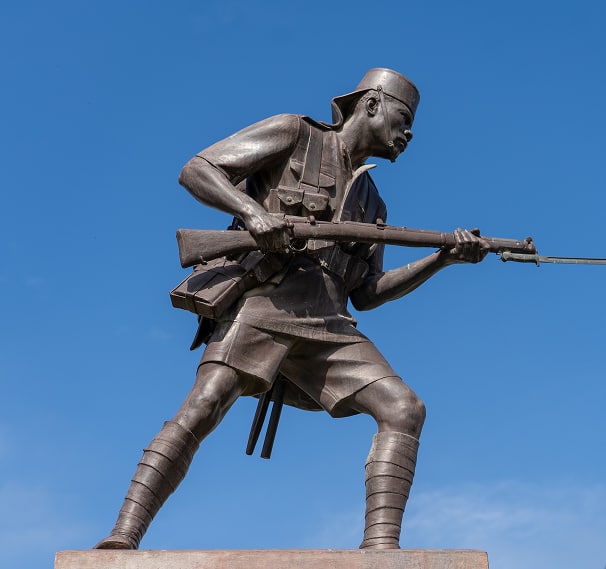
Askari Monument
Exploration time: Around 30–60 minutesView All 8 places
Places to eat in Dar es Salaam
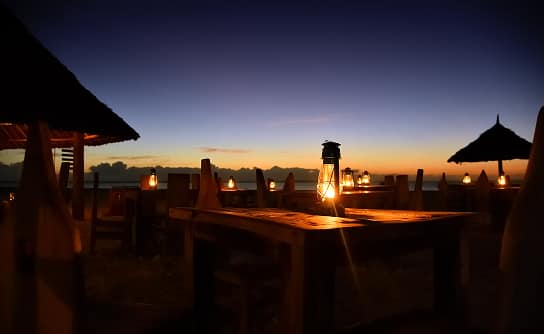
The Waterfront Sunset Restaurant
The Waterfront Sunset Restaurant is located at The Slipway on the Msasani Peninsula overlooking the Indian Ocean. It features a menu focused on fish, seafood and pizza, among other dishes. The restaurant also offers sunset views and is located on the water.
Popular dishes: Fish, seafood, pizza and international dishes.

Karambezi Café
Karambezi Café is located at Sea Cliff Hotel with a view of the Indian Ocean from a cliffside location. The restaurant offers seafood, steaks, burgers, pizzas and more, and is perfect for breakfast, lunch or dinner.
Popular dishes: Seafood, steaks, burgers, pizzas and international dishes.
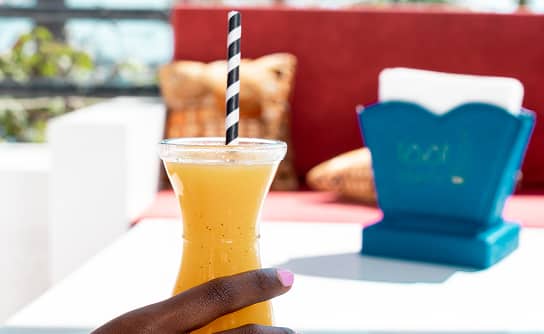
Samaki Samaki
Samaki Samaki is a Dar es Salaam restaurant known for its lively atmosphere and a menu featuring seafood, meat and other dishes. It's a good option for travellers looking for a casual dining experience with entertainment.
Popular dishes: Seafood, grilled dishes, chicken and other local and international options.
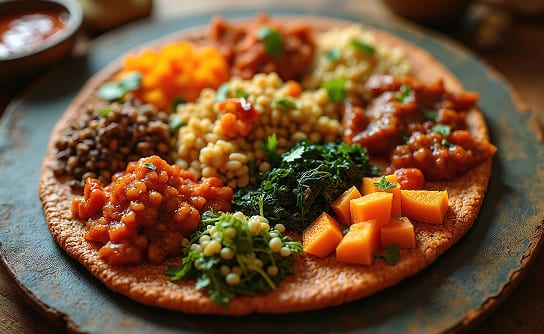
Mamboz Restaurant
Mamboz is known for grilled and barbecue-style dishes in a casual setting. It's a good option for travellers looking to try grilled meats and other straightforward meals.
Popular dishes: Grilled meats, chicken and barbecue-style dishes.
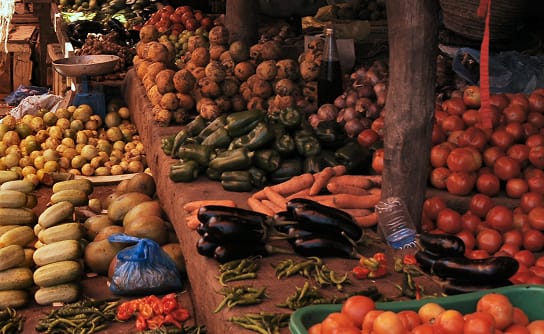
Dar Fish Market
Dar es Salaam has a strong connection with the Indian Ocean fishing trade, and fish markets around the city offer opportunities to experience the local seafood culture. Travellers interested in fresh fish and seafood can explore established fish markets and nearby dining options.
Popular dishes: Fresh fish and seafood.
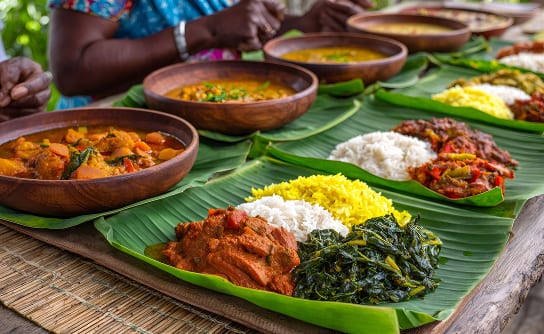
305 Karafuu
305 Karafuu is a contemporary dining option in Dar es Salaam, offering African-inspired and seafood dishes alongside other menu choices. It's a good option for a casual lunch or dinner.
Popular dishes: African-inspired dishes, seafood and grilled options.
Things To Do in Dar es Salaam
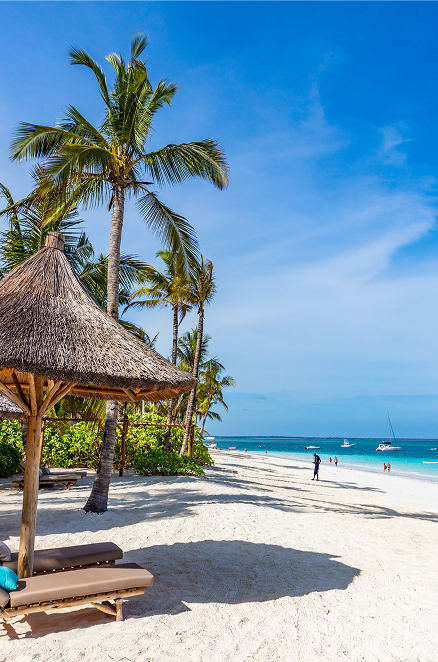
Beach outing
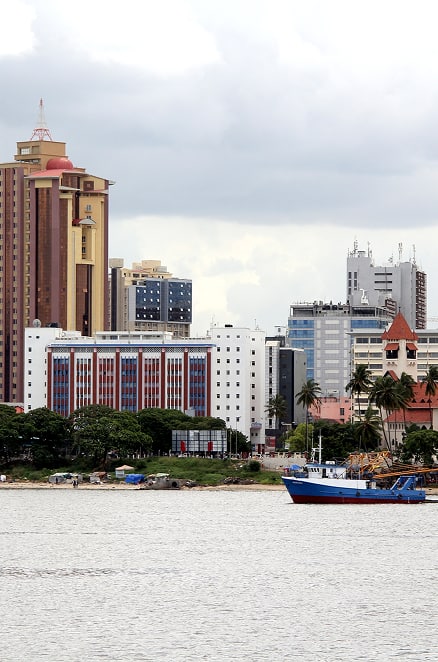
City tours
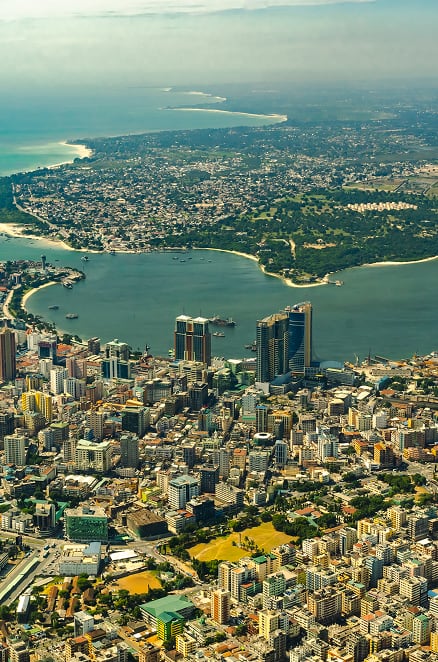
Island excursions
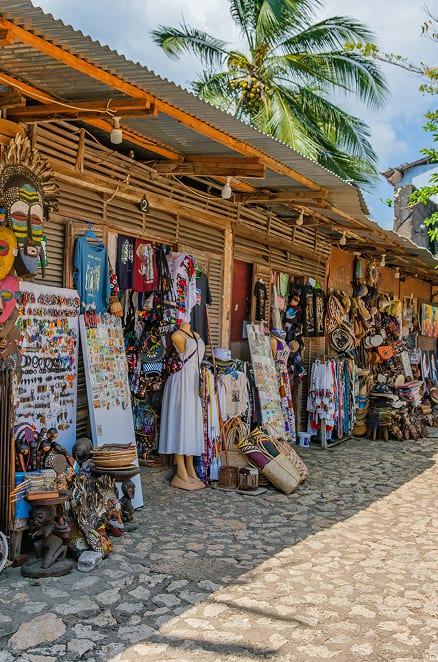
Market visit
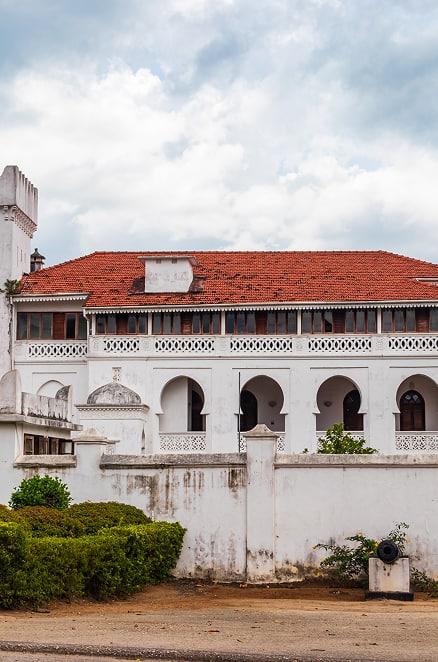
Museum visits
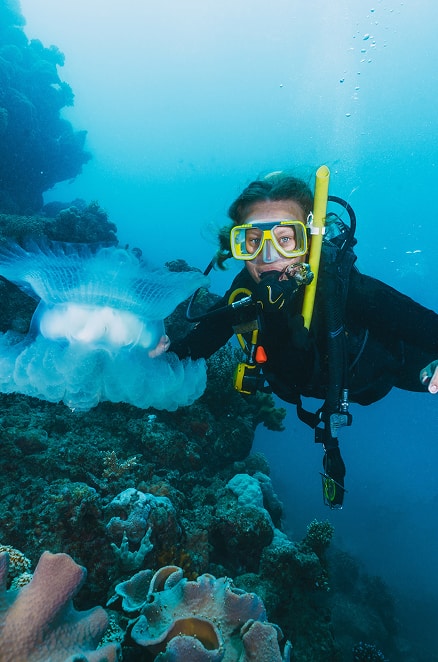
Snorkelling
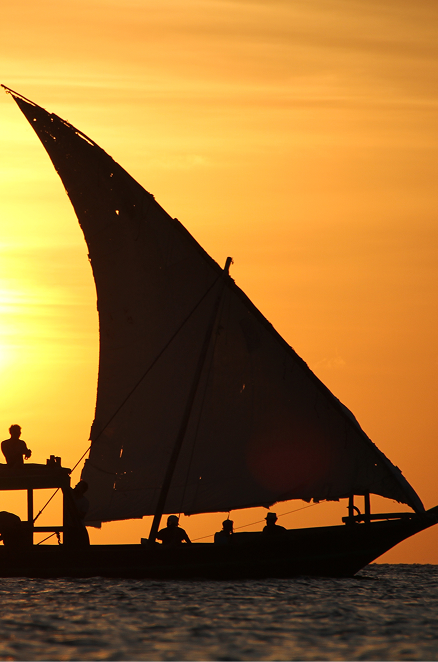
Sunset cruises
Best time to visit Dar es Salaam
Most commonly spoken languages in Dar es Salaam
Shopping places in Dar es Salaam
Dar es Salaam has busy traditional markets, craft centres, shops and waterfront retail areas. Popular purchases include Tanzanian handicrafts, textiles, paintings, wood carvings and jewellery, while local markets provide an opportunity to experience the city's everyday commercial activity.
- Kariakoo Market: Kariakoo is one of Dar es Salaam's major commercial markets and has a long history as a centre of trade. Visitors can find clothing, food, household goods, electronics, and other everyday products while experiencing the market's lively atmosphere.
- The Slipway: The Slipway combines waterfront shopping, dining and leisure, with shops offering crafts, clothing, souvenirs and other goods.
- Mwenge Woodcarvers Market: Mwenge is known for locally produced wood carvings and other handicrafts, including Makonde-style artwork. It is a popular place to browse traditional Tanzanian crafts and souvenirs.
- Local craft shops and markets: Visitors can also explore independent craft shops and markets around Dar es Salaam for textiles, artwork, carvings and other locally made products.
Festivals in Dar es Salaam

Swahili International Tourism Expo (S!TE)
S!TE is a major tourism trade exhibition organised by the Tanzania Tourist Board, bringing together tourism businesses, buyers, exhibitors and other industry stakeholders. It focuses on tourism promotion, business networking, destination experiences and cultural exchange.
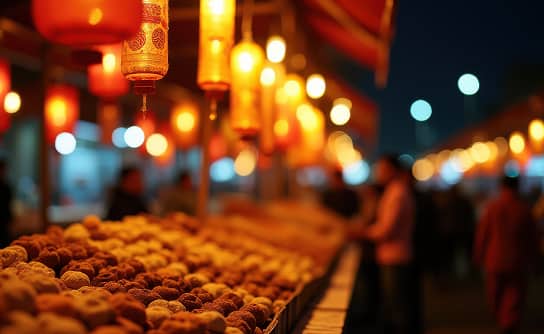
Eid celebrations
Eid is widely observed in Dar es Salaam, with religious services, family gatherings and special meals taking place across the city. Visitors should be mindful of local customs and possible changes to business and transport hours during major religious holidays.

Christmas and New Year
Christmas and New Year are marked by celebrations at restaurants, hotels, entertainment venues and other parts of the city. Programmes and events vary from year to year, particularly around the waterfront and other popular leisure areas.
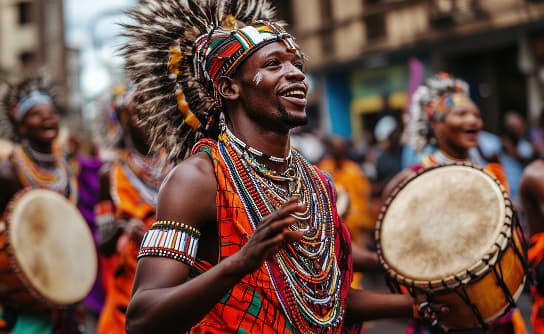
Cultural and music events
Dar es Salaam hosts concerts, live music performances, cultural programmes and other entertainment events throughout the year. These provide opportunities to experience the city's contemporary cultural scene alongside its Swahili heritage.
More reasons to visit Dar es Salaam
Dar es Salaam offers opportunities to explore its coastal environment, cultural heritage, markets and nearby natural attractions beyond the city's main landmarks.
- Explore the marine reserves: Take a boat trip to the Dar es Salaam Marine Reserves System, which includes islands such as Bongoyo, Mbudya and Sinda. Activities can include beach visits, swimming, snorkelling and other marine experiences, subject to local conditions and regulations.
- Discover the city's architectural heritage: Explore central Dar es Salaam and its historic neighbourhoods to see buildings reflecting the city's Swahili, German and British colonial influences and its development as an important Indian Ocean port.
- Experience local markets: Visit markets such as Kariakoo to experience the city's busy commercial life and browse food, clothing, household goods and other locally traded products.
- Explore Tingatinga art: Discover Tingatinga, a distinctive Tanzanian painting style associated with Dar es Salaam. Browse local artworks and handicrafts available through galleries, workshops and craft markets.
- Take a coastal sunset trip: A walk along the waterfront or a boat excursion offers views of the Indian Ocean around sunset.
- Visit Pugu Kazimzumbwi Nature Forest Reserve: Located in the Kisarawe District of Pwani Region, close to Dar es Salaam, the reserve offers forest landscapes, viewpoints, hiking opportunities, bird and bat watching, camping and other ecotourism activities.
- Combine Dar es Salaam with Zanzibar: Travellers can add Zanzibar to a Tanzania itinerary after visiting Dar es Salaam. This creates an opportunity to experience the mainland city's urban and cultural attractions before exploring Zanzibar's beaches and historic Stone Town.
