

- Coastal bike rides: Cycle the scenic Huandao Road coastal path encircling Xiamen Island with dedicated bike lanes, beaches, and ocean views
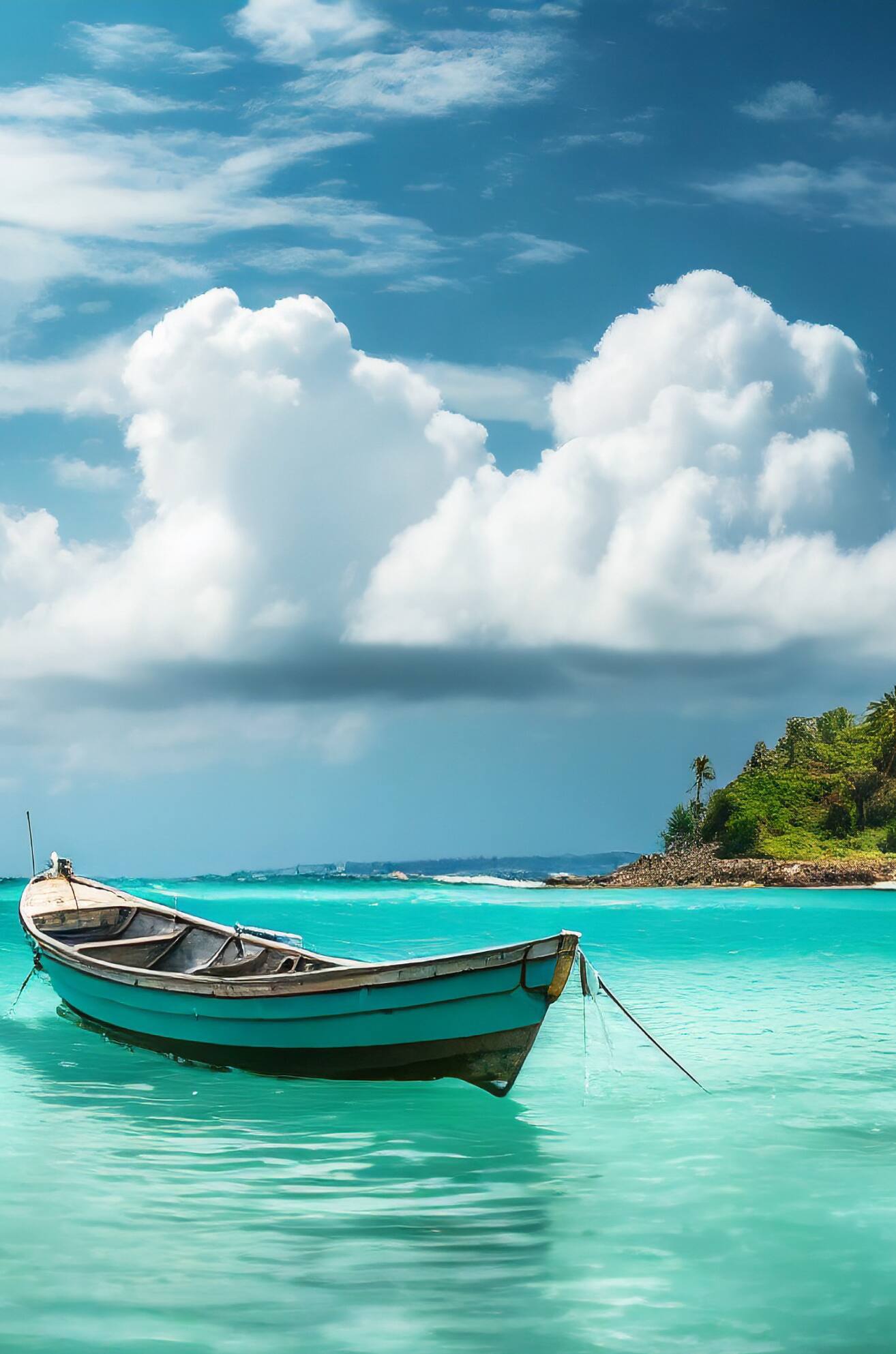
- Island hopping: Visit surrounding islands, including cultural Gulangyu, undeveloped Dadeng Island, and volcanic Huoshao Island, by ferry
- Tea culture experience: Visit traditional tea houses to sample Fujian's famous oolong teas, including Tieguanyin, and participate in Gongfu tea ceremonies
- Beach activities: Relax at beaches, including Baicheng Beach, Huangcuo Beach, and Gulangyu's beaches, for swimming and water sports

The city of Xiamen, located on the southeastern coast of China, features beautiful colonial architecture combined with a modern vibe. It is located in Fujian Province. Xiamen’s scenic Gulangyu Island is car-free and known for its mix of architectural styles from around the world. Its historic buildings, clean beaches and relaxed pace of life offer a quieter contrast to China’s larger cities, with plenty of opportunities for walking, cycling and beach activities.
Given its history as a treaty port, Xiamen is home to many European-style buildings alongside the traditional architecture of southern China. The subtropical climate and ocean setting make Xiamen a desirable city for outdoor recreation. Xiamen is renowned for its thriving artistic community, offering an authentic yet accessible experience of China.
How to reach Xiamen?
- By air: Book your flight to Xiamen Gaoqi International Airport (XMN), conveniently located just 10 kilometres from the city centre on the island's northeastern coast, or Guangzhou Baiyun International Airport (CAN), which handles both international flights and domestic routes. Xiamen Airport receives direct flights from major cities worldwide. For travellers from India, IndiGo operates flights to Xiamen via/direct hubs like Bangkok, Singapore, or flights to Hong Kong. Indian citizens require a Chinese visa before travel. Apply for a tourist visa (L visa) at the Chinese Embassy or Consulate with your passport, application form, photographs, flight bookings, and hotel reservations.
- Getting around/local transport in Xiamen: Xiamen has an efficient and cost-effective public transit system, making it easy to navigate the city. The most effective way to explore Xiamen is by using the Xiamen metro, which connects many major neighbourhoods, tourist sites, and the airport. The most convenient way to use public transportation in Xiamen is to obtain a transportation card for the metro and buses. Xiamen's city bus system offers extensive coverage at low fares. Ferries connect Xiamen Island to Gulangyu Island.
Places to visit
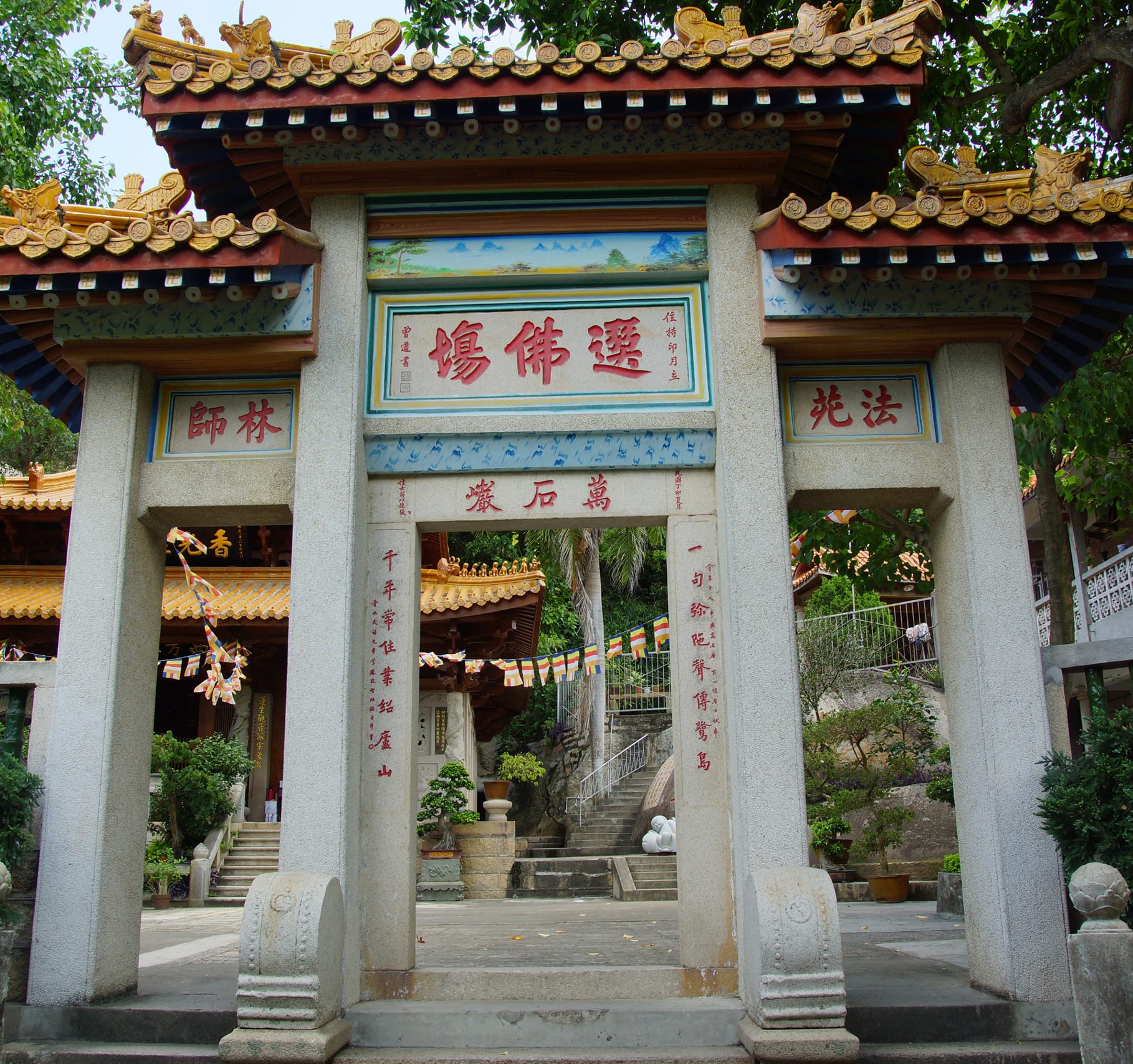
Nanputuo Temple
Nanputuo Temple, established more than 1,000 years ago during the Tang Dynasty, is considered one of the most important Buddhist temples in southeastern China. The temple is surrounded by a large area of land with long buildings housing ornate halls featuring intricately carved sculptures, gold-plated Buddha figures, and ancient scriptures. The temple sits against Wulao Mountain, offering hiking trails that lead to spectacular viewpoints overlooking the temple grounds, Xiamen University, and the ocean beyond. Visit the peaceful lotus pond, observe monks conducting ceremonies, and explore the Buddhist culture museum.
Exploration time: 2 - 3 hours; Temple visit and hiking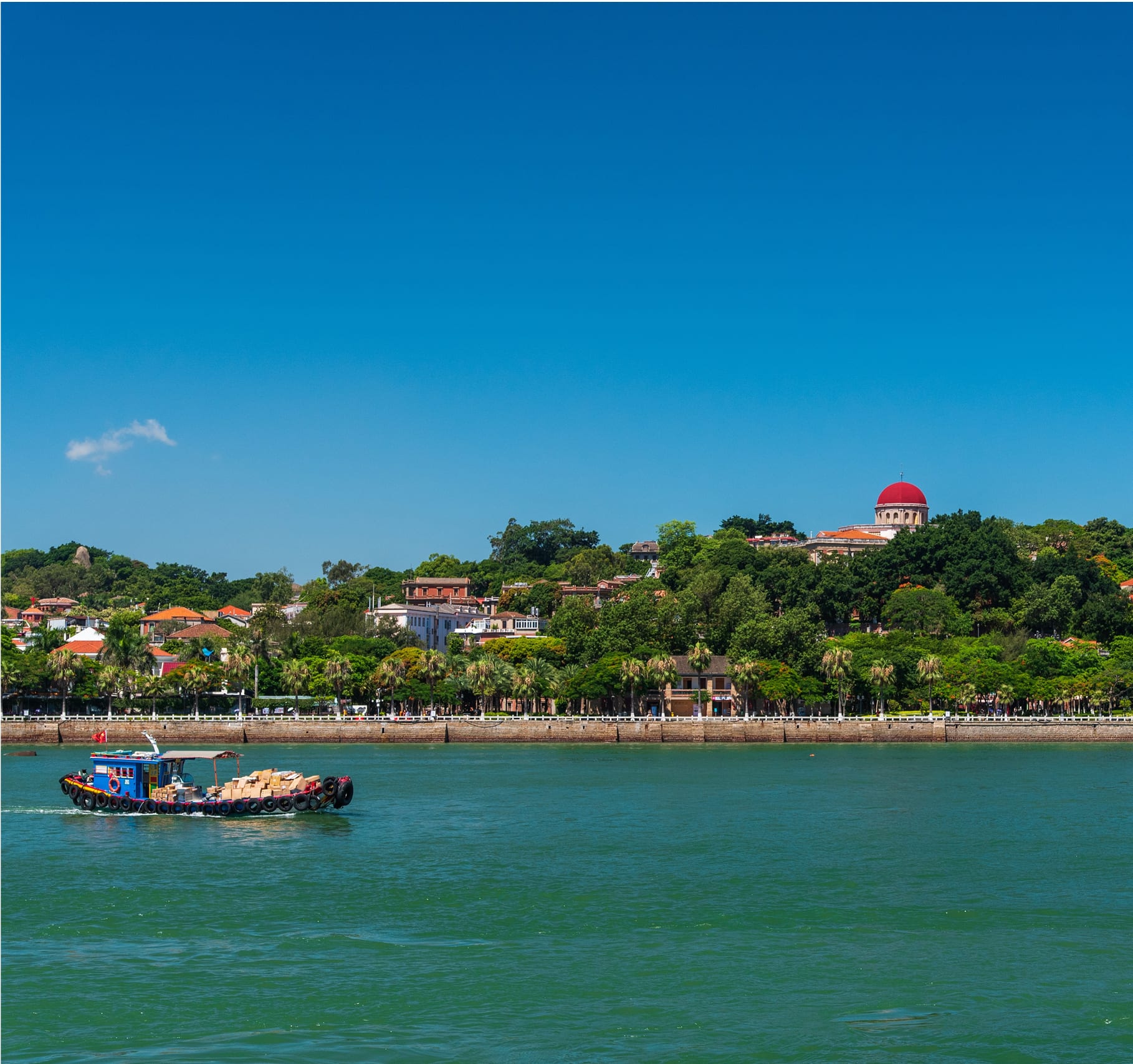
Gulangyu Island
Exploration time: Full day; Island exploration
Hulishan Fortress
Exploration time: 2 hours; Historical site visit
Xiamen University
Exploration time: 2 - 3 hours; Campus walkPlaces to eat in Xiamen
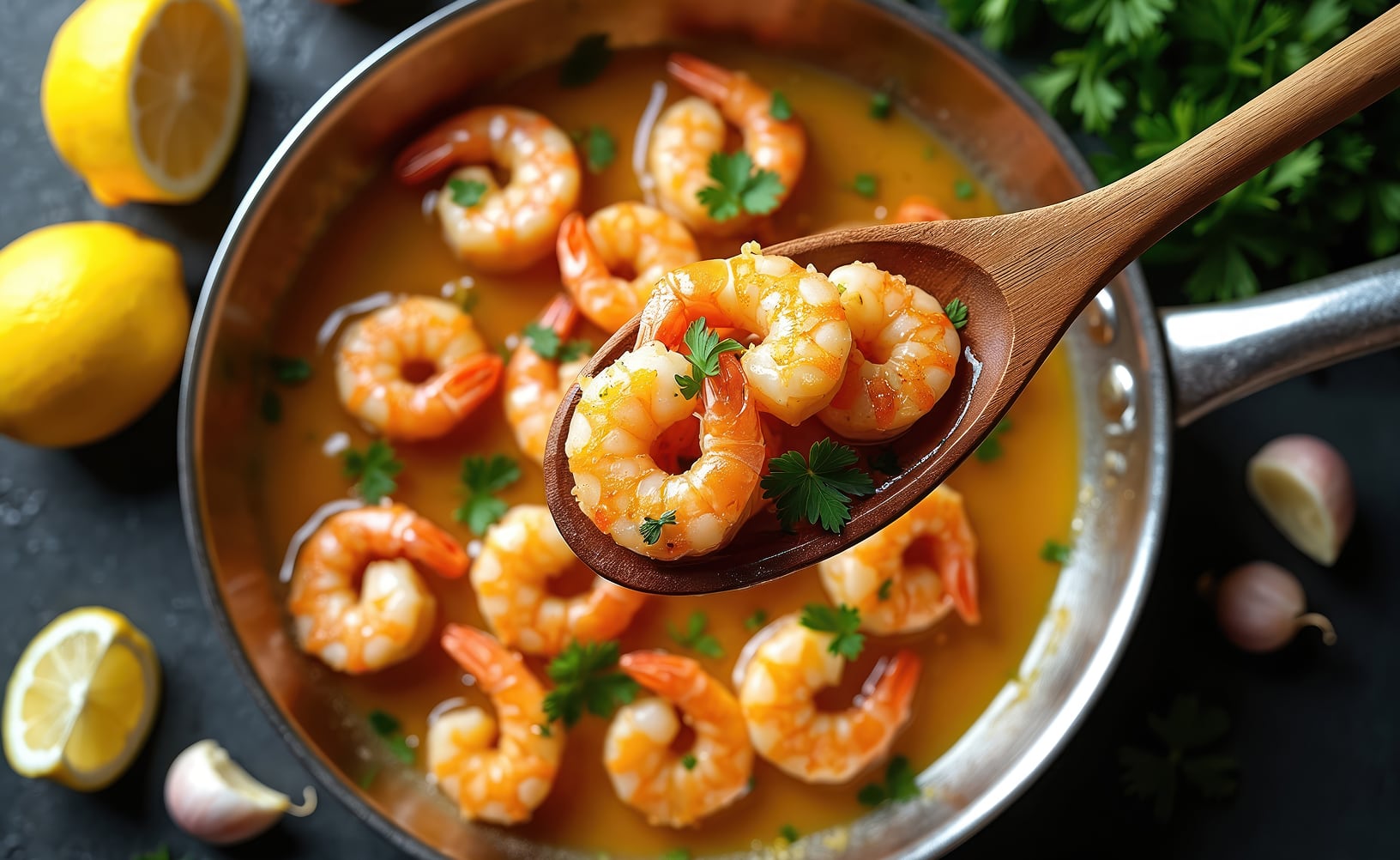
Lujiang Harbourview Hotel Restaurant
Located in the historic Lujiang Hotel with a view of Gulangyu Island, Lujiang Harbourview Hotel Restaurant offers authentic southern Fujian cuisine in a classy and elegant environment with a breathtaking view of the harbour. The restaurant takes pride in providing a unique blend of colonial charm and the refinement of local speciality foods.
Popular dishes: Buddha Jumps Over the Wall (a complex soup with seafood and meat), oyster omelette, sand tea noodles, fried oysters, and steamed grouper. The shrimp balls and Xiamen spring rolls are local favourites prepared to perfection.
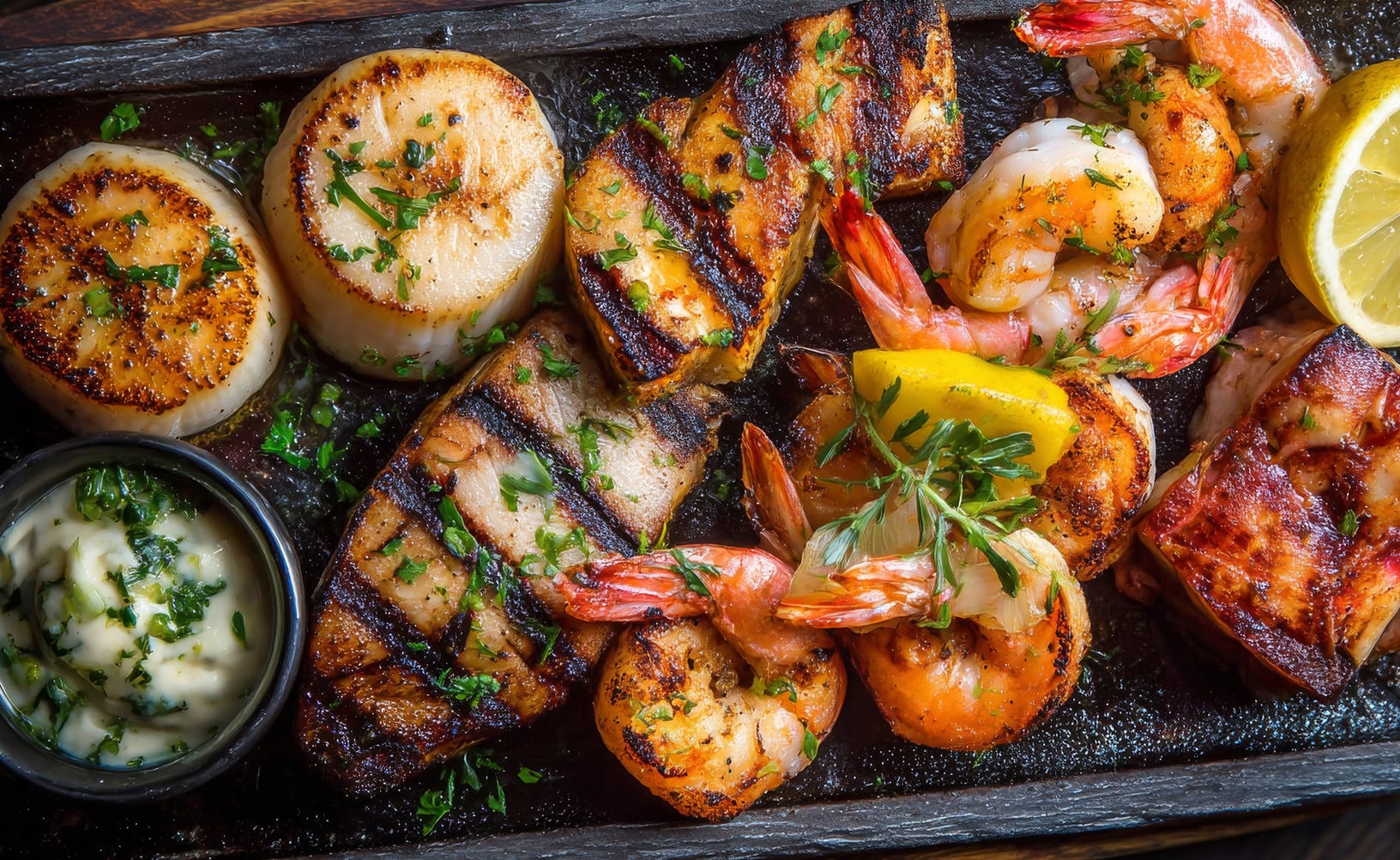
Yajian Seafood Restaurant
This bustling local favourite near Zhongshan Road specialises in incredibly fresh seafood prepared in traditional Xiamen style. The lively atmosphere, with tanks full of live seafood, efficient service, and reasonable prices, attracts locals and tourists alike. Point at tanks to select your seafood, and the staff will recommend cooking methods.
Popular dishes: Steamed mantis shrimp, stir-fried razor clams with scallions, typhoon shelter crab, salt-and-pepper squid, and the famous sand tea hot pot featuring assorted seafood in a rich peanut-based broth.
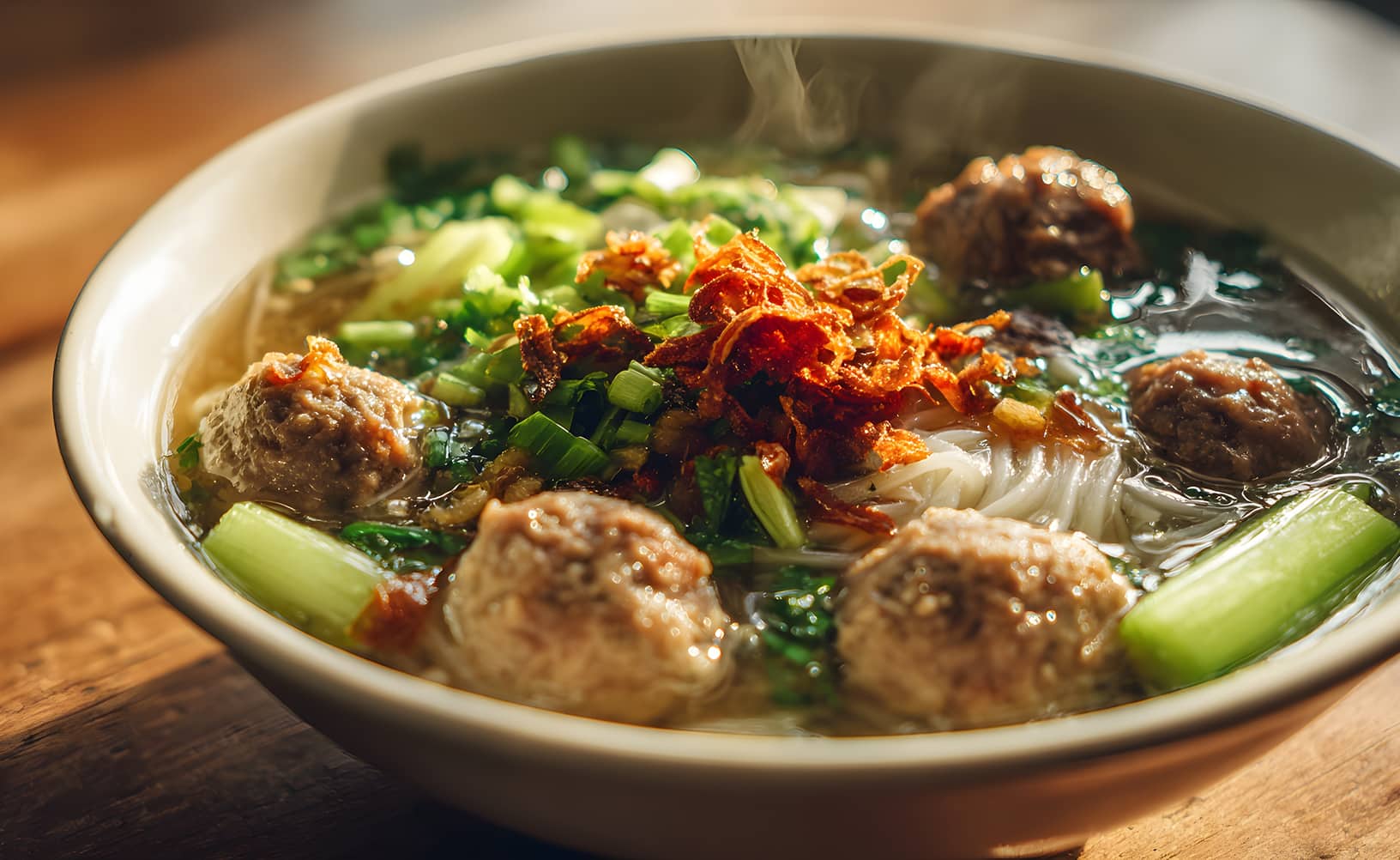
Wutang Satay Noodles
A Xiamen institution serving the city's most famous dish - satay noodles (shacha mian). This casual eatery has perfected the rich, peanut-based satay broth served over alkaline noodles with your choice of seafood, meat, and vegetables. The recipe has remained unchanged for generations, creating an authentic taste of local food culture at very affordable prices.
Popular dishes: The signature satay noodles are the only thing you need to order, but customise with additions like prawns, fish balls, squid, pork liver, and vegetables. Pair with fried wontons or spring rolls for a complete meal.
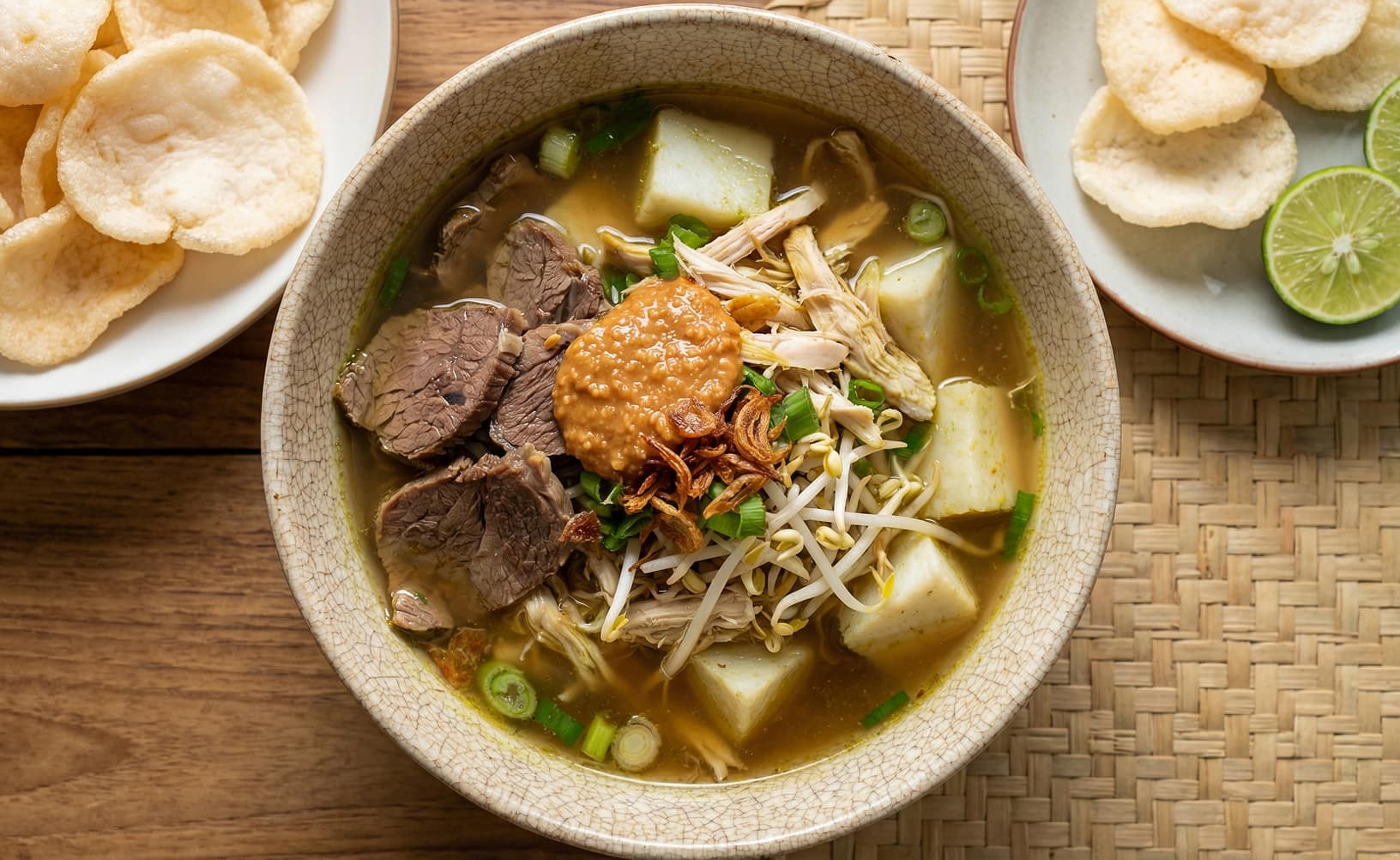
Huang Zehe Peanut Soup Shop
This legendary dessert shop has been serving Xiamen's signature sweet treat since 1951. Peanut soup is a beloved local speciality, a sweet soup with tender peanuts, often served with fried dough sticks or sweet dumplings. The shop's longevity speaks to its quality, and locals queue for this comforting traditional dessert that's perfect any time of day.
Popular dishes: Classic peanut soup, add fried dough sticks for dipping, or try it with glutinous rice balls. Other traditional Xiamen snacks like pies and pastries are also available to take away.
Things To Do in Xiamen

Coastal bike rides
Island hopping

Tea culture experience

Beach activities
Best time to visit Xiamen
Most commonly spoken languages in Xiamen
Shopping places in Xiamen
From tea shops to beachside boutiques, Xiamen offers a rich shopping experience featuring local crafts, tea, and unique souvenirs. Here are the top shopping destinations:
- Zhongshan Road Walking Street: Xiamen's main commercial pedestrian street stretches over one kilometre through the old town district. This bustling thoroughfare combines historic arcade-style buildings with modern shops selling everything from fashion and electronics to snacks and souvenirs. The street comes alive at night with illuminated shops, street performers, and food vendors. Perfect for buying Xiamen specialities, including pineapple cakes, dried seafood, traditional pastries, and local tea.
- SM City Xiamen: SM City is one of the city's largest shopping malls and offers comprehensive retail therapy with multiple floors of international and domestic brands, electronics, cosmetics, fashion, and home goods. The mall includes a supermarket for groceries and local products, numerous restaurants serving various cuisines, and entertainment facilities like cinemas.
- Gulangyu Island Shops: Gulangyu features charming boutiques and speciality shops tucked into colonial buildings and narrow lanes beyond its tourist attractions. Find unique souvenirs, including handmade crafts, vintage items, local artwork, and Gulangyu-themed products. Numerous shops sell famous Xiamen pineapple cakes, mung bean cakes, and other traditional pastries in beautiful packaging, perfect for gifts.
- Zengcuo'an Cultural and Creative Village: The former fishing village has now evolved into a hip bohemian zone with creative shops, cafes, and guesthouses, retaining traditional character through its many small alleyways filled with artists and their creations. Meander through winding alleyways to find local boutique shops selling handmade jewellery and vintage clothing, as well as independent art and other creative items for your home.
Festivals in Xiamen

Xiamen International Marathon
The annual Xiamen International Marathon takes place each January and is regarded as one of the premier running events in the country. It has a widely acclaimed reputation worldwide for attracting top athletes and amateur runners at all levels. This beautiful course is located along the coast of Huandao and offers participants unmatched views of the ocean as they run past Xiamen University and Baicheng Beach.
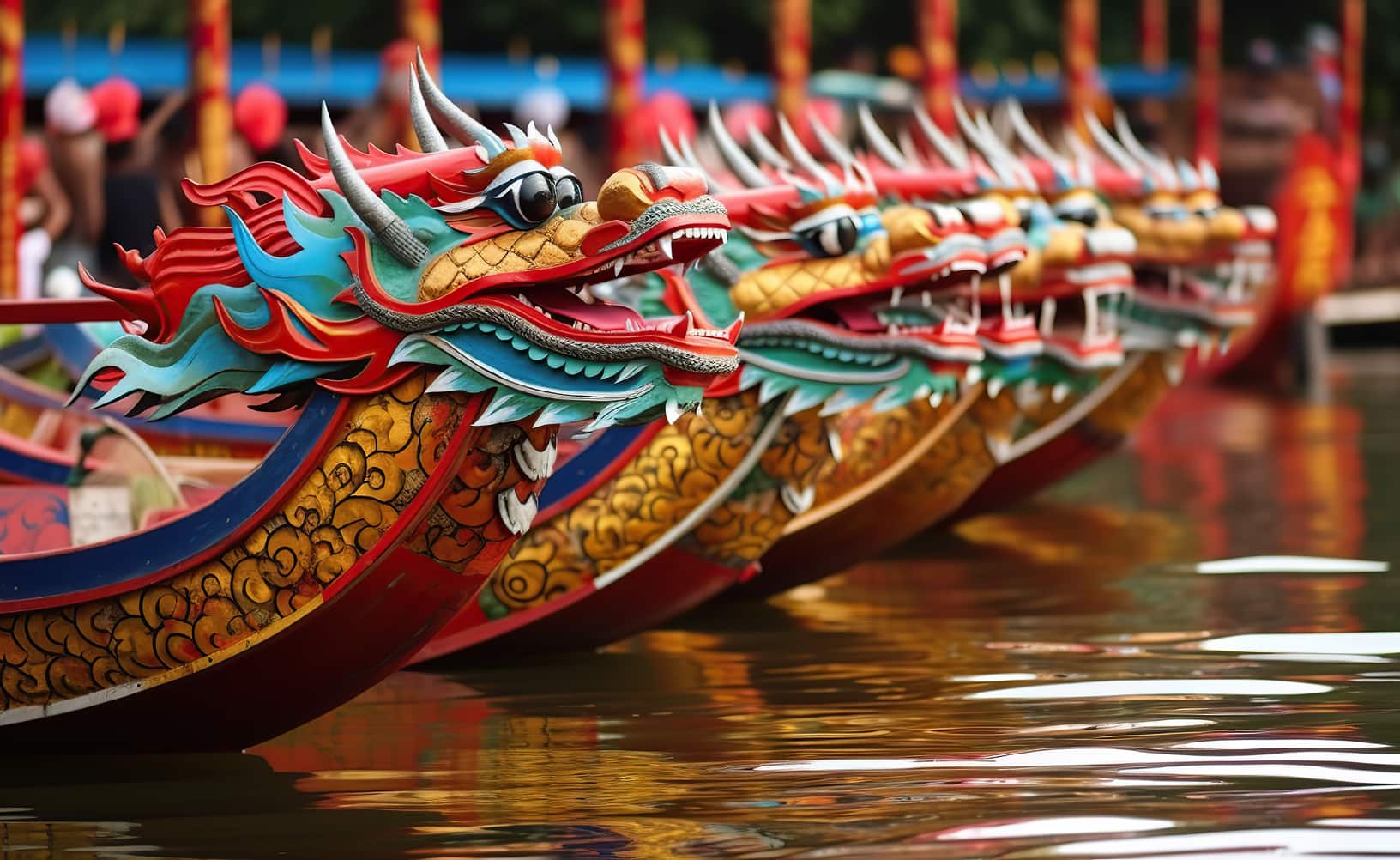
Dragon Boat Festival
Xiamen commemorates the Dragon Boat Festival, celebrated in June according to the lunar calendar, with dragon boat races in harbours and waterways. Teams paddle colourfully decorated boats to rhythmic drumbeats, competing for victory.

Mid-Autumn Festival
This important traditional festival celebrates the harvest moon and family reunion, and is observed with special enthusiasm in Xiamen. Beyond traditional mooncake sharing and moon viewing, Xiamen has a unique custom called "Bo Bing" - a dice game played with mooncakes as prizes. Families, friends, and colleagues gather for lively Bo Bing competitions accompanied by tea and snacks.
More reasons to visit Xiamen
Xiamen's attractions extend beyond famous landmarks. Here are additional experiences worth exploring:
- Jimei School Village: Jimei School Village is located in Jimei District and is a unique educational complex established by philanthropist Tan Kah Kee in the early 20th century. The campus features stunning architecture blending Western and Chinese styles called "Jiageng Style." Visit the massive Turtle Garden, explore the Tan Kah Kee Memorial Museum, learn about the overseas Chinese leader's contributions, and admire beautifully maintained buildings housing schools and universities.
- Wanshi Botanical Garden: Wanshi Botanical Garden is located on the hillside just behind Nanputuo Temple, covering a huge area with a wide variety of plant collections arranged in different themes, including tropical rain forest, desert plants, herbs with medicinal properties, rare plant species, cactus gardens, palm valleys, and seasonal flowers.
- Zhongshan Park: Located in the centre of Xiamen Island, it features extensive grassy areas, recreational facilities, and cultural attractions. In addition to open spaces for practising tai chi and traditional exercises at the East Gate, the park offers a boating facility on the central lake.
- Xiamen Science and Technology Museum: A modern interactive museum that encourages individuals of all ages with many hands-on exhibits focusing on science, technology, and innovation. Some of the major themes of the exhibits include earthquakes/disasters, aviation/aerospace, human biology, and robotics, each arranged in sections.
