


Located in the southwestern region of China's Sichuan province, here is an ultimate Chengdu travel guide to help you discover this stunning destination. Chengdu beckons with its iconic Giant Panda Research Base and mouth watering Sichuan cuisine. Yet, beyond its adorable inhabitants and fiery flavours, Chengdu offers a tranquil ambience with hidden monasteries and a rich cultural heritage. Renowned as the "Land of Abundance," Chengdu serves as a pivotal hub for commerce, culture, and transportation in western China. Discover the charm of this Panda capital through our comprehensive Chengdu tourism and make it your next unforgettable vacation destination.
How to reach Chengdu?
- By air: Chengdu Shuangliu International Airport is located 20 km away from the city centre. As one of China's main transportation hubs, Chengdu's airport has flights to most of China's major cities and some international destinations. Flights within Sichuan Province, including the popular tourist destination Jiuzhaigou, are served by this airport. IndiGo now offers flights to Chengdu with direct connectivity between Chengdu and Delhi, along with seamless connectivity to other destinations.
- By train: The railway network connects Chengdu to various other cities in China. Chengdu's railway station and bus stop are located adjacent to each other in the city. Please be cautious of your belongings when you travel.
- Getting around/local transport in Chengdu: Hire a taxi to get around Chengdu City. Taxi drivers are friendly and eager to help, your hotel will also offer a business card written in Chinese and English so that you never have a problem getting back to your hotel.
- Public buses ply through the city and are the most common means for sightseeing. Take a ride in one of the city’s many pedicabs (rickshaws) to explore the city like a local. Alternatively, you can also rent a car or a bicycle to see the city at your pace.
Places to visit

Trending
Chengdu Research Base of Giant Panda Breeding
The Chengdu Research Base of Giant Panda Breeding in China is a conservation centre dedicated to the preservation and breeding of giant pandas.
Exploration time: 3 - 4 hours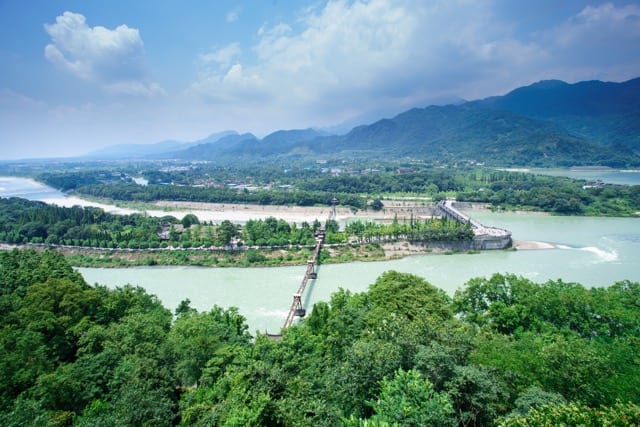
Dujiangyan Irrigation System
Exploration time: 1 - 2 hours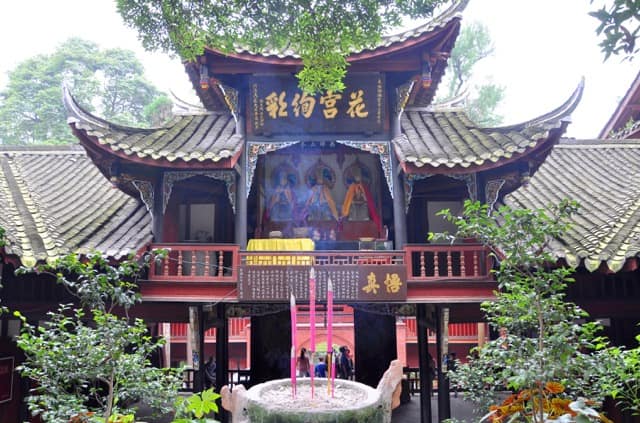
Mount Qingcheng
Exploration time: 1 - 2 hours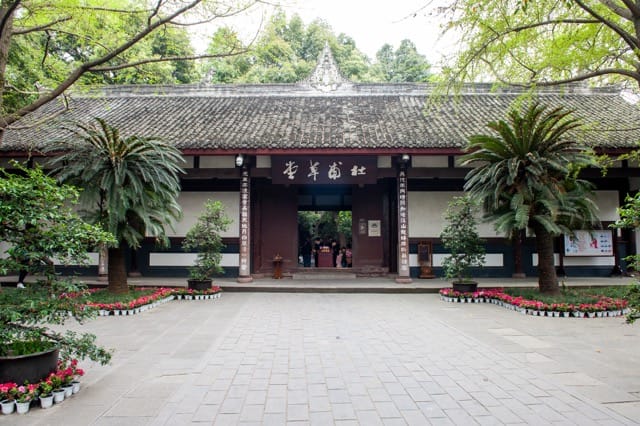
Du Fu Thatched Cottage
Exploration time: : 1 - 2 hours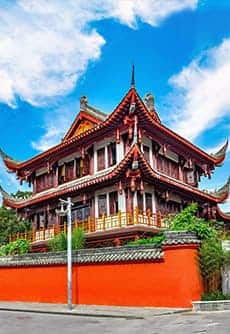
The Wenshu Monastery
Exploration time: 1 - 2 hours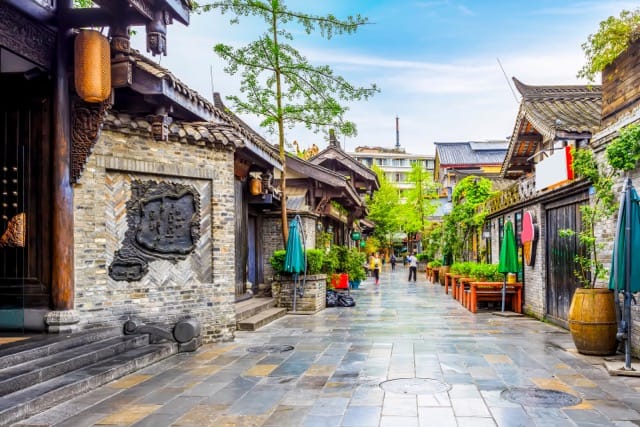
Kuan Alley and Zhai Alley
Exploration time: 1-2 hoursView All 6 places
Places to eat
Chengdu offers a gastronomic paradise with its diverse dining scene, from sizzling hotpot joints to bustling street vendors. Enjoy culinary delights.
View more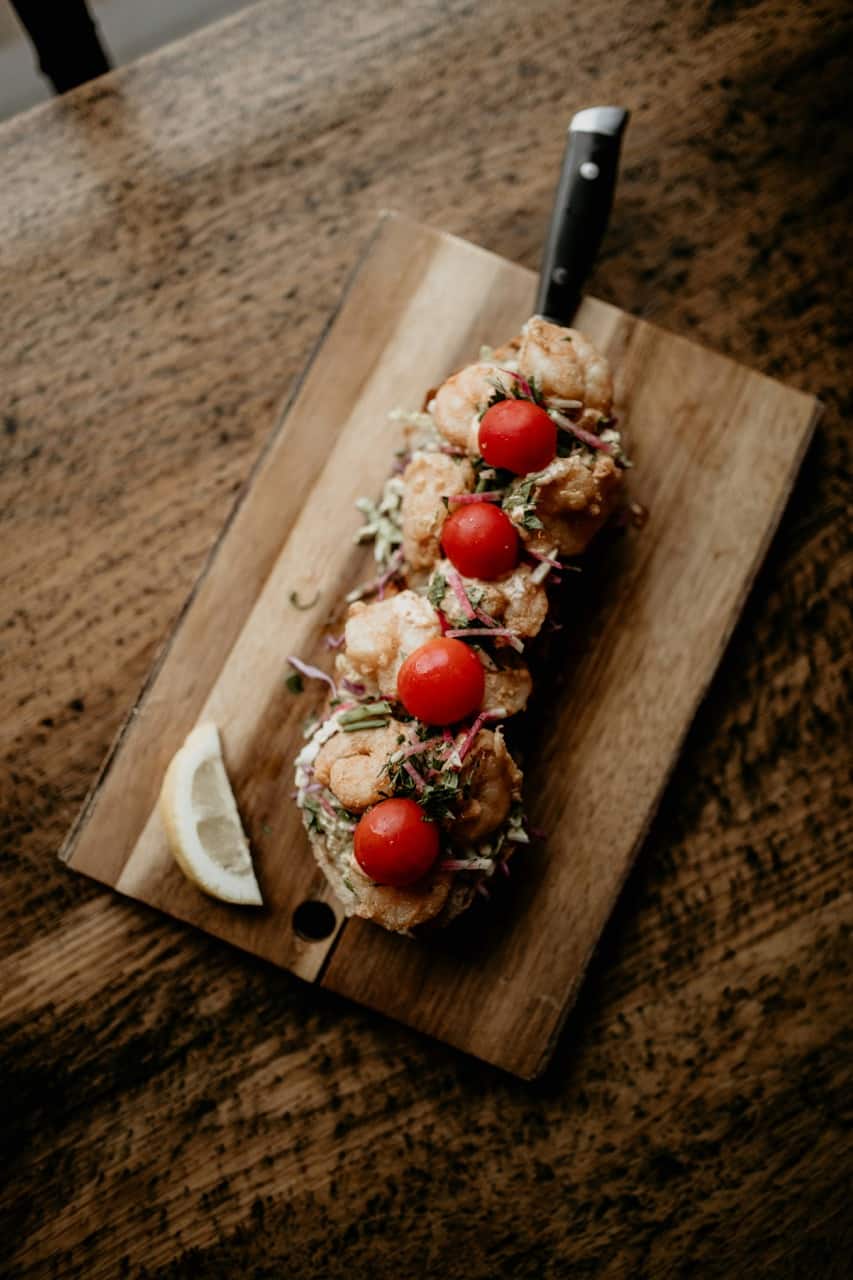
Lao Ma Tou Hotpot
Lao Ma Tou Hotpot offers one of the most authentic Sichuan hot pot experiences. The atmosphere here is what the Chinese would call re nao (literally “warm and noisy”) – cheerfully loud and quite casual.
Popular dishes: Tender sliced beef, fresh seafood platters, assorted mushroom combinations, and handmade meatballs
Qin Shan Zhai
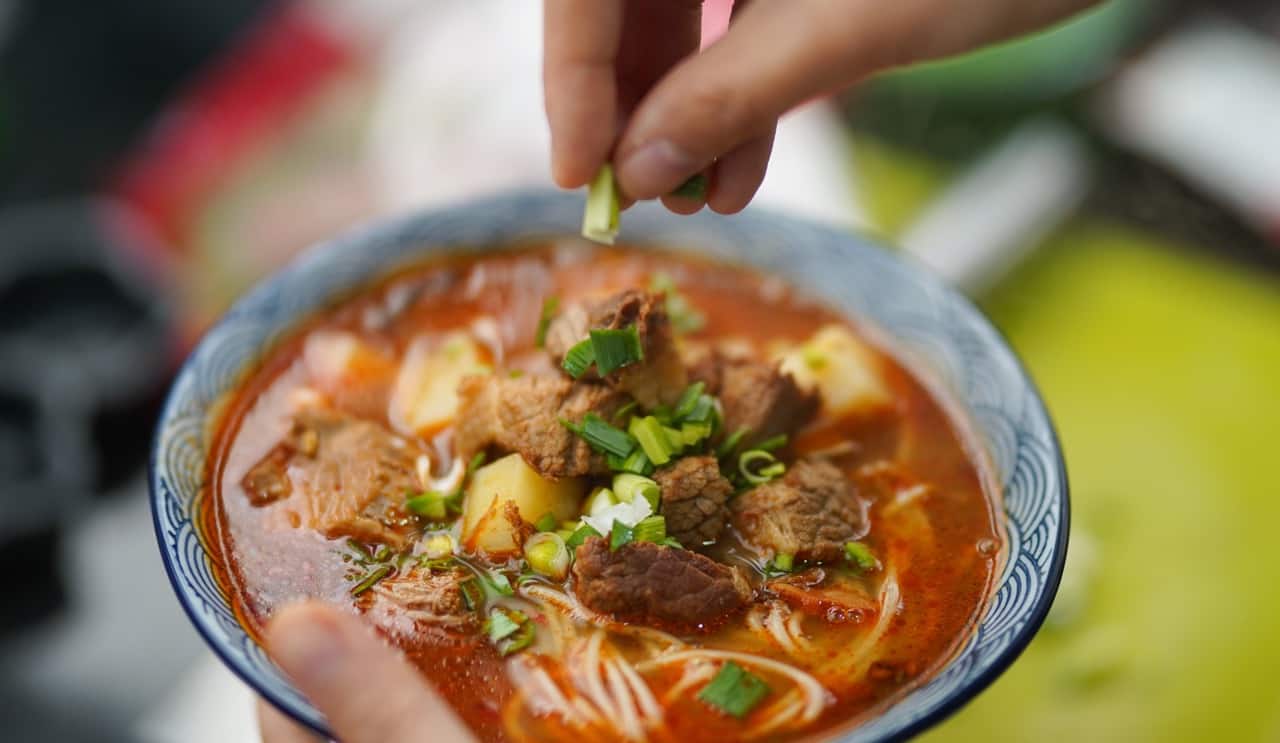
The dishes at Qin Shan Zhai are based on ancient Chinese medical principles. Items here are intensely flavourful, be sure to try the seared mountain yam, marbled pork with green beans, and delicate double-boiled soups.
Popular dishes: Mapo Tofu, Sichuan Boiled Fish, Dry-Fried Green Beans, and Gong Bao Chicken
Ming Ting Fan Dian
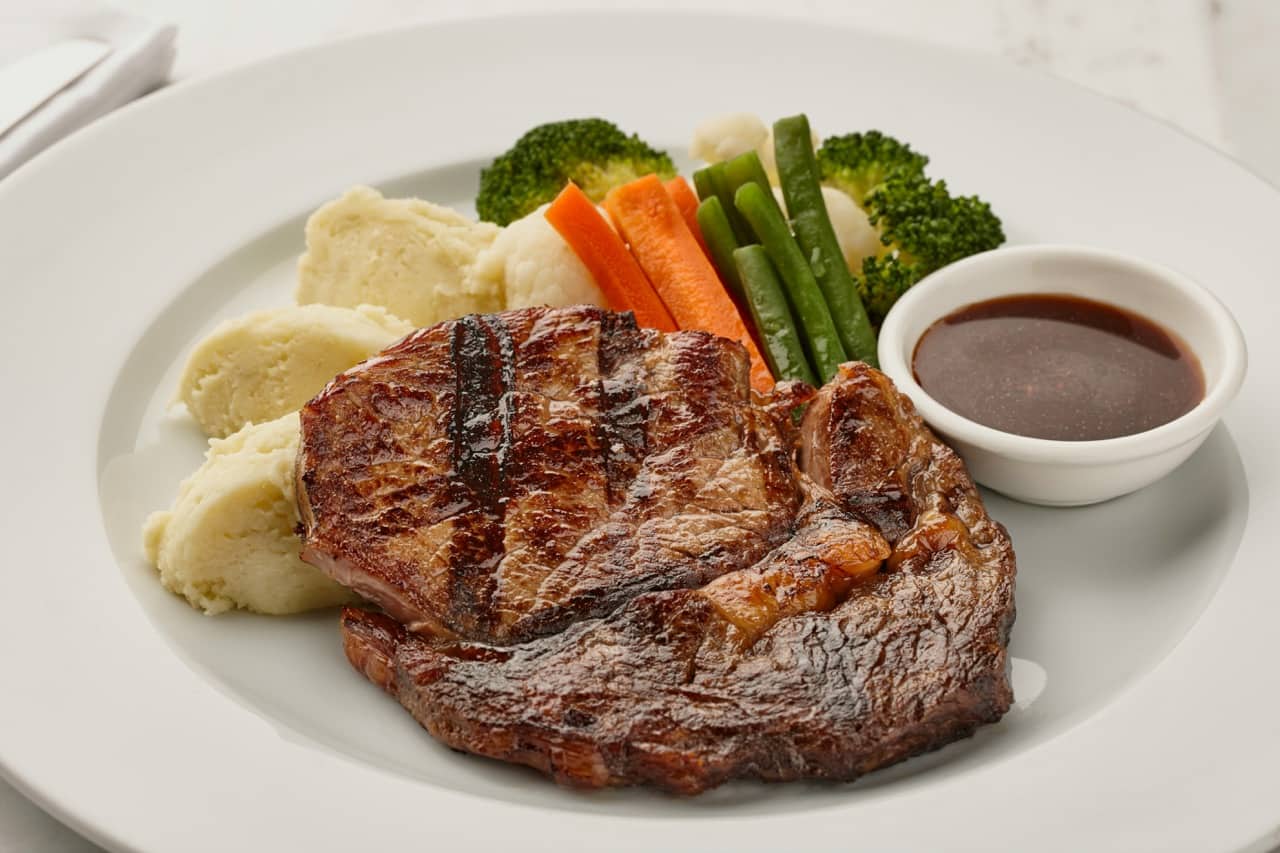
Enjoy Sichuan comfort food at this lovely neighbourhood restaurant in Chengdu. The restaurant is family-friendly and a must-visit for a relaxed experience.
Popular dishes: Gong Bao Chicken, Sichuan Fish Fragrant Eggplant
Yu Zhi Lan
This tiny yet exclusive restaurant offers delicacies with the finest Chinese ingredients and techniques. The restaurant is known for its 25-course dinner and every dish is beautifully presented.
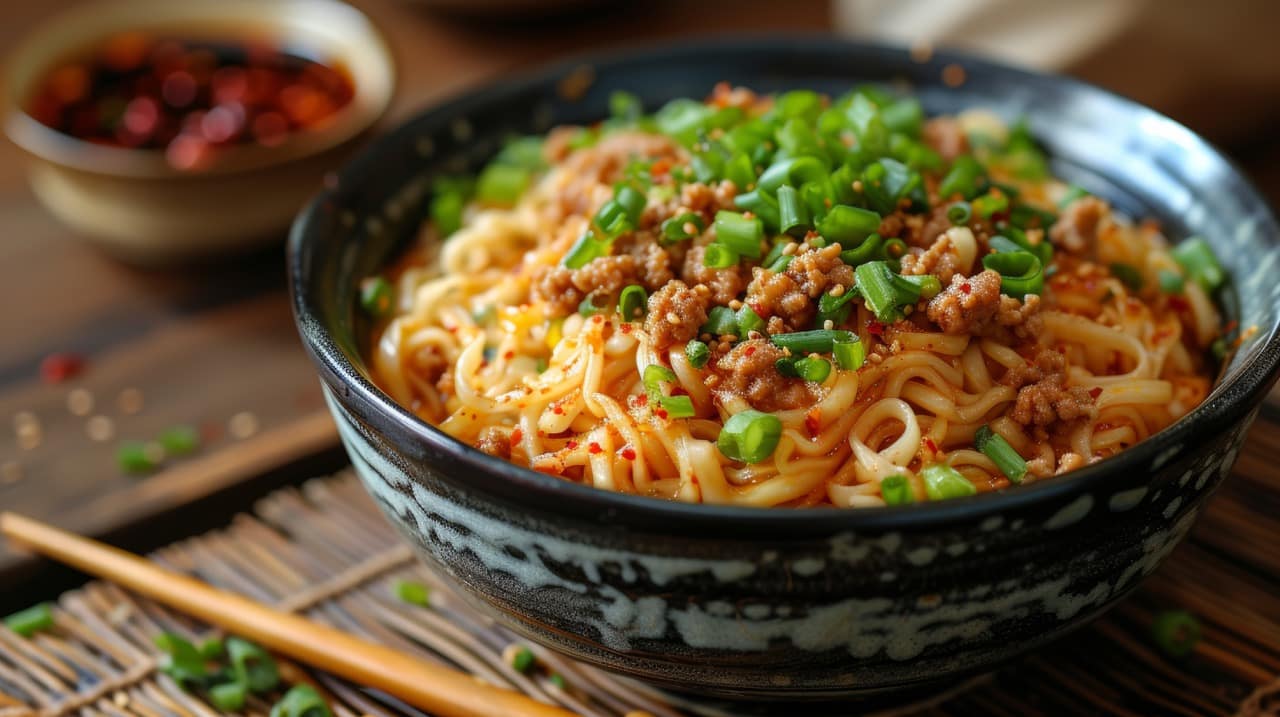
Popular dishes: Mapo Tofu, Kung Pao Chicken, Dan Dan Noodles, and Sichuan Hot Pot
Things To Do

Nature walks
Architectural tours
Historical site

Shopping

Vibrant nightlife
Museum exploration
Best time to visit
The best times to visit Chengdu are the months of March to June and September to November. The weather is pleasant during this time for the perfect holiday. The weather in other cities of Sichuan is much different from the weather in Chengdu.
View MoreMost commonly spoken languages
In Chengdu, the most commonly spoken language is Mandarin Chinese, as it is the official language of China. However, English is also widely spoken.
View More
Shopping
Chengdu boasts of its local products and fine traditional handicrafts. Your trip will be complete with collecting some souvenirs including Shu brocade, embroidery, lacquer wares and Chinese tea from this land of abundance! Here is a list of the top shopping streets in Chengdu.
- Chunxi Road: This is the most famous commercial street in Chengdu, offering a variety of apparel and shoes from local and international brands for the shopaholics in you. It is not only Chengdu’s fashion centre but also popular for its wide array of delicious snacks and various street foods.
- Qintai Road: Qintai Road is considered as the most famous jewellery and antique street in Chengdu. The buildings along the street comprehensively display the Han dynasty's way of life, music and dance, and other local customs.
- Jinli Street: A walk in Jinli Street will take you back to ancient China. The Ming and Qing dynasty architectural works which line the street are a treat for the eyes. The street is filled with traditional artisans and has various Sichuan snack shops, chopstick shops, tea shops, and other places that reflect Chengdu’s special folk customs.
- Songxianqiao Art City: This is a famous art market in Chengdu located inside the Huanhua Cultural Scenic Area. The Songxianqiao Art City is one of the 4th largest art markets in China. Here on the second floor, you can find many painters who are making live artworks. You can also explore the galleries and buy some fascinating artworks to take home.
Festivals
Discover the vibrant festival scene in Chengdu, where ancient traditions blend with modern celebrations to create unforgettable experiences.
View More%20Medium.jpeg)
Chinese New Year (Spring Festival)
Chengdu bursts with colour and excitement during the Spring Festival, featuring dragon dances, fireworks, and traditional temple fairs.
%20Medium.jpeg)
Qingming Festival (Tomb-Sweeping Day)
Chengdu locals honour ancestors with tomb-sweeping rituals, outdoor picnics, and flying kites to welcome spring.
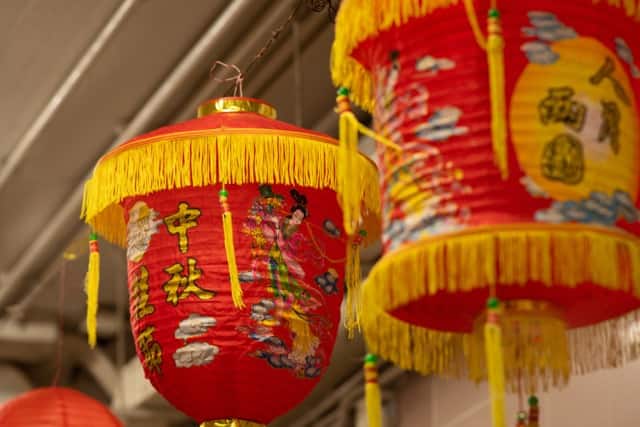
Mid-Autumn Festival
Families gather to admire the full moon, enjoy delicious mooncakes, and participate in lantern exhibitions and folk performances.

Chengdu International Panda Carnival
Celebrate Chengdu's beloved pandas with parades, exhibitions, and cultural performances during this annual festival dedicated to conservation and education.
More reasons to visit
Chengdu is widely known for its culinary delights, teahouse culture, vibrant festivals, and tranquil parks. Thus, offering a captivating blend of tradition and modernity for every traveller to explore and enjoy.
- People's Park: This park is touted to be the city’s oldest public park and is home to many important monuments, including the Railway Protection Movement monument. It was built in 1911 by the Qing dynasty. It is a comprehensive park which combines preservation of heritage with entertainment.
- Sanxingdui Museum: This archaeological museum located on the banks of the Jian River, opened up for the public in 1997. The museum displays the ruins of ancient Shu, a kingdom which existed over 4000 years ago. This place is a must-visit if you wish to know more about the Sichuan culture
Visa and Immigration
Travellers planning to visit Chengdu typically require a Chinese visa obtained from the embassies or consulates in India. Chengdu's visa policies align with national regulations, offering various visa types catering to tourism, business, study, and more. Upon arrival, immigration procedures ensure efficient entry, with thorough checks for compliance with entry requirements. Visitors are advised to carry the necessary documentation and adhere to local laws and customs.
View More